Serving Sarasota Service by appointment Available by phone every day
Electromechanical Diagnostics & Motor Service

Garage Door Opener Repair in Sarasota, FL

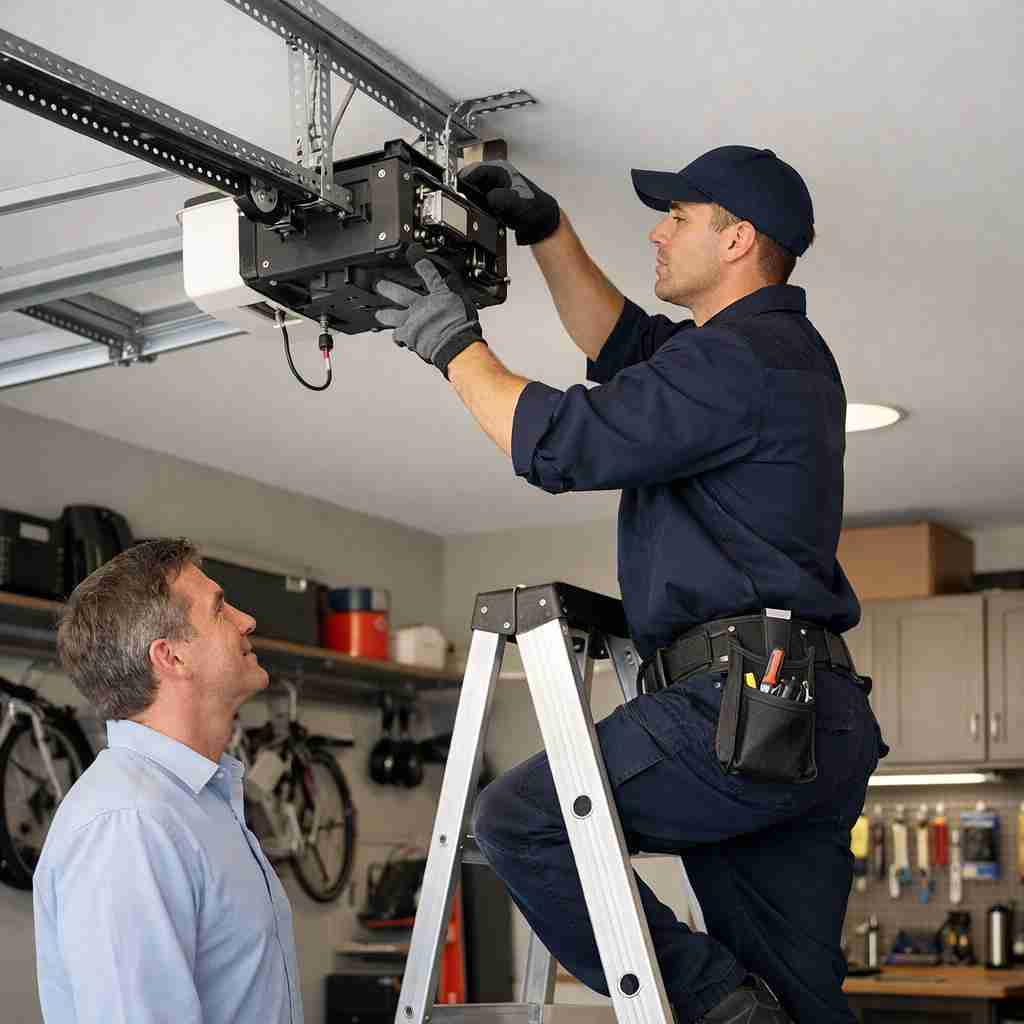
An electric garage door opener is the automated brain of your overhead door system, coordinating motorized drive mechanics, radio frequency controls, and critical optical safety reversal circuits. When an opener fails—whether emitting a loud grinding noise, clicking repeatedly without moving, or reversing suddenly before reaching the floor—the underlying problem may stem from internal gear stripping, electrical surge damage to the logic board, or mechanical imbalance in the counterbalance spring system.

At Quick Springs Garage, our certified technicians diagnose the root mechanical and electrical causes of opener failure rather than merely treating the symptoms. We service all major manufacturer platforms, including LiftMaster, Chamberlain, Genie, Craftsman, Linear, and Marantec. With fully stocked mobile service units carrying genuine OEM replacement parts, we restore quiet, dependable automation to your overhead door.

Logic Board & Surge Damage Diagnostics OEM Helical Drive Gear & Sprocket Kits Optical Photo-Eye Alignment & Testing Florida Hurricane Battery Backup Upgrades
Garage Door Opener Repair in Sarasota, FL
Certified Operator Diagnostics
Belt, Chain & Direct Drive Systems · Sarasota & Manatee
Details →

Multi-Brand Proficiency

Expert diagnostics across LiftMaster, Chamberlain, Genie, Craftsman, and Linear operators.

Electrical Component Testing

Precision voltage and capacitor testing to verify motor windings and logic board integrity.

Counterbalance Isolation

Manual balance testing to ensure heavy door weight is not prematurely burning out the motor.

UL 325 Compliance

Strict verification of infrared safety reversal and downward pressure obstruction thresholds.

Mechanical Architecture

Understanding the Drive Mechanisms of Modern Openers

Homeowners often assume the electric garage door opener does the heavy physical work of lifting a 150 to 300-pound overhead door. In reality, an electric opener is simply an automated guide. The actual mechanical lifting force is stored in the high-tension counterbalance springs mounted above the door opening. The opener motor is designed to supply only 10 to 20 pounds of guiding force along the steel rail. When counterbalance springs lose tension or break, the opener motor is suddenly forced to pull dead structural weight, stripping internal nylon drive gears, overheating start capacitors, and frying primary logic circuits.

Modern residential openers generally utilize one of three primary drive configurations: chain drive, belt drive, or direct-drive wall-mount jackshafts. Chain-drive openers rely on a continuous steel bicycle-style chain looping around a drive sprocket. While extremely rugged and cost-effective, chain drives generate significant metal vibration and noise that resonates through living spaces located above or adjacent to the garage. To explore the trade-offs between drive types, read our technical breakdown on chain vs belt vs screw drive openers.

Belt-drive systems substitute a steel-reinforced polyurethane cogged belt for the metal chain, resulting in whisper-quiet travel ideal for bedrooms situated directly over the garage. For garages with cathedral ceilings, low headroom, or vertical storage requirements, wall-mount jackshaft openers mount directly to the torsion tube beside the door, completely eliminating the overhead ceiling rail. Our technicians evaluate your ceiling architecture and door balance to determine the ideal repair or upgrade path. For common motor symptoms, consult our guide on what to do when your garage door motor runs but the door does not move.

Understanding the Drive Mechanisms of Modern Openers
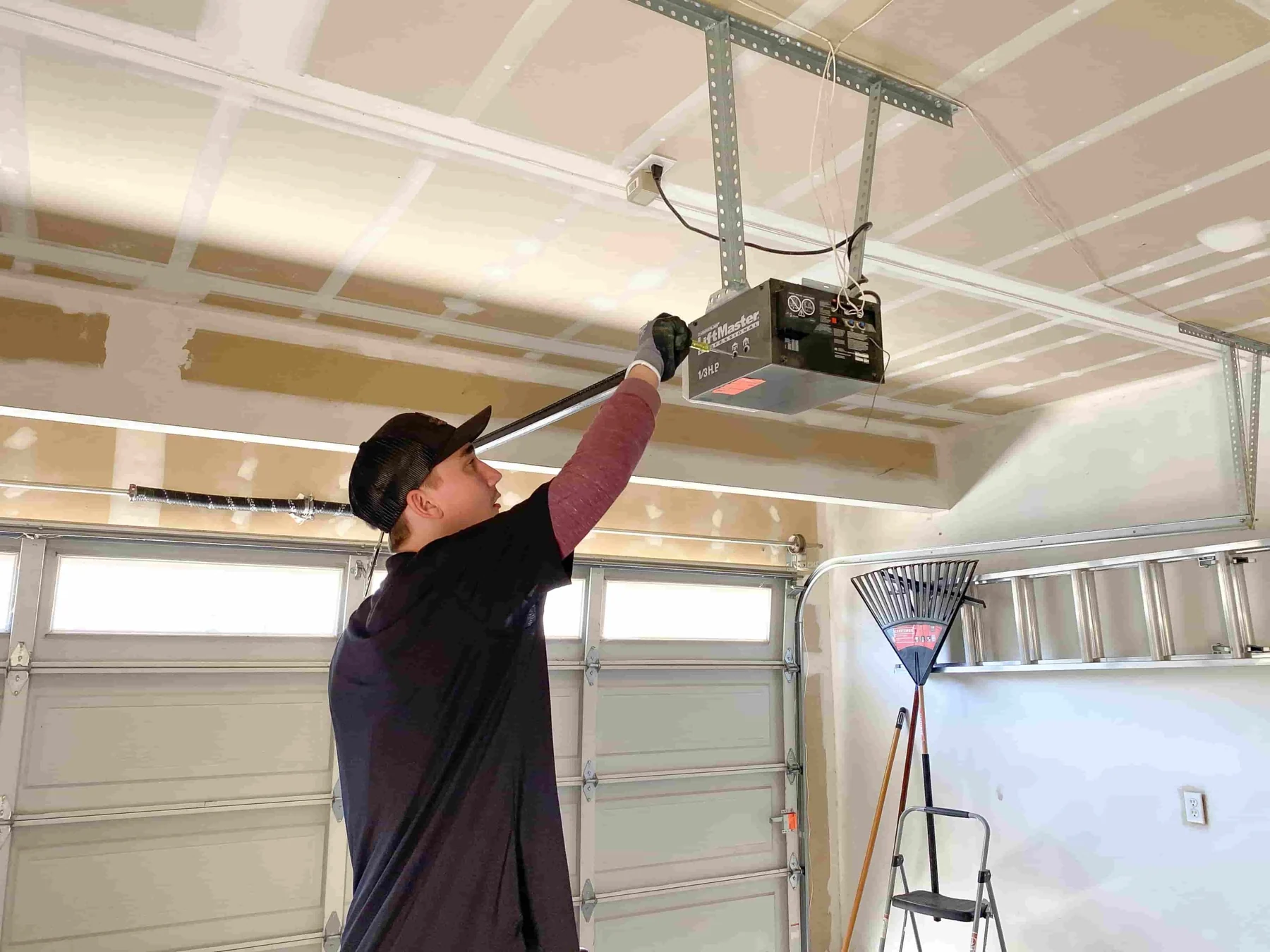
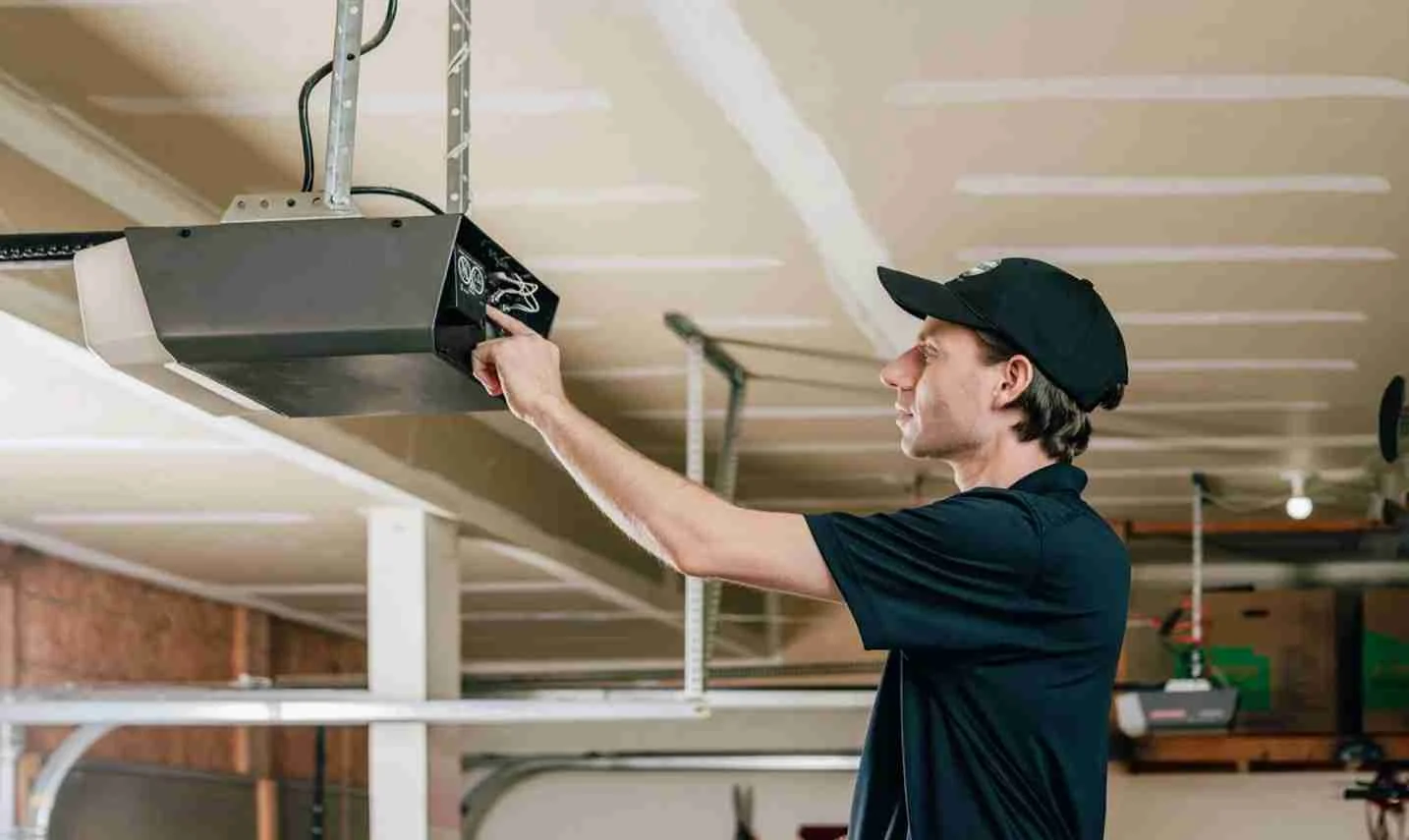
Inspecting internal helical nylon drive gears, RPM tachometer sensors, and motor capacitors inside an overhead unit.
Electrical Resilience

Lightning Surges, Salt Corrosion & Florida Humidity

Southwest Florida experiences more cloud-to-ground lightning strikes and severe electrical power surges than almost any other region in the United States. High-voltage transient spikes traveling through the electrical grid frequently bypass basic household breakers and strike garage door opener logic boards. A compromised circuit board may exhibit phantom operation—opening or closing unprompted at random hours—or may fail to respond to wall consoles and wireless transmitters entirely. Learn more about post-storm recovery in our article on garage door operation after a Florida power outage.

Coastal humidity and airborne salt mist along Sarasota Bay, Venice, and Bradenton Beach also trigger accelerated oxidation on delicate copper traces, wire terminal screws, and optical photo-eye sensor lenses. Salt crusting on external sensor optics refracts the infrared safety beam, causing the opener to interpret clear space as an obstruction and forcing the door into automatic reverse every time it attempts to close.

Furthermore, under Florida statutory building requirements and SB 96 / emergency management mandates, replacement openers must include integrated battery backup systems. During tropical storms and hurricanes, when municipal power grids fail, a battery-equipped opener ensures homeowners can safely evacuate vehicles and access emergency supplies without struggling to manually lift heavy wind-reinforced doors. Read our advisory on evaluating modern smart garage door openers in Sarasota.

Lightning Surges, Salt Corrosion & Florida Humidity
Precision electrical testing of logic board terminal inputs, capacitor voltage capacity, and RF receiver frequencies.
Diagnostic Matrix

Common Garage Door Opener Symptoms & Diagnostic Guide

Identify the underlying mechanical, optical, or electrical fault affecting your overhead door operator.

Optical Fault

Door Reverses Before Reaching Floor

If the door descends partially and snaps back open with flashing overhead lights, the safety photo-eyes are either misaligned, blinded by direct sunlight glare, or obstructed by debris.

Troubleshooting sensor reversals →
Drive Stripping

Motor Hums But Trolley Does Not Move

When you hear the electric motor spinning or humming inside the chassis but the chain or belt remains stationary, the internal sacrificial nylon drive gear has stripped its teeth.

Drive gear failure analysis →
Radio Frequency

Wall Switch Operates, Remotes Fail

When the hardwired wall console functions normally but wireless remotes and keypads fail intermittently, culprits include dead lithium batteries, RF receiver degradation, or interference from unshielded LED bulbs.

Resolving remote interference →
Calibration Error

Door Stops Prematurely Mid-Travel

Openers monitor motor RPM and mechanical resistance. If the travel limit modules drift out of calibration or mechanical track resistance spikes, the logic board halts travel to prevent structural crushing.

Travel limit calibration →
Power Surge

Complete Unresponsiveness After Storms

A sudden electrical spike from lightning or utility switching can blow the primary onboard fuse, destroy the bridge rectifier, or rupture the motor start capacitor, leaving the unit completely dead.

Electrical surge diagnostics →
Logic Anomaly

Phantom Opening or Closing Cycles

Short-circuited low-voltage doorbell wiring, stuck remote buttons, neighbor frequency overlap, or moisture corrosion on the receiver board can trigger the operator to activate autonomously.

Curing phantom door cycling →
Service Protocol

Our Precision Opener Diagnostic & Repair Protocol

Every service call follows a rigorous systematic checklist to ensure safe operation and long-term mechanical reliability.

01

Counterbalance Isolation & Balance Audit

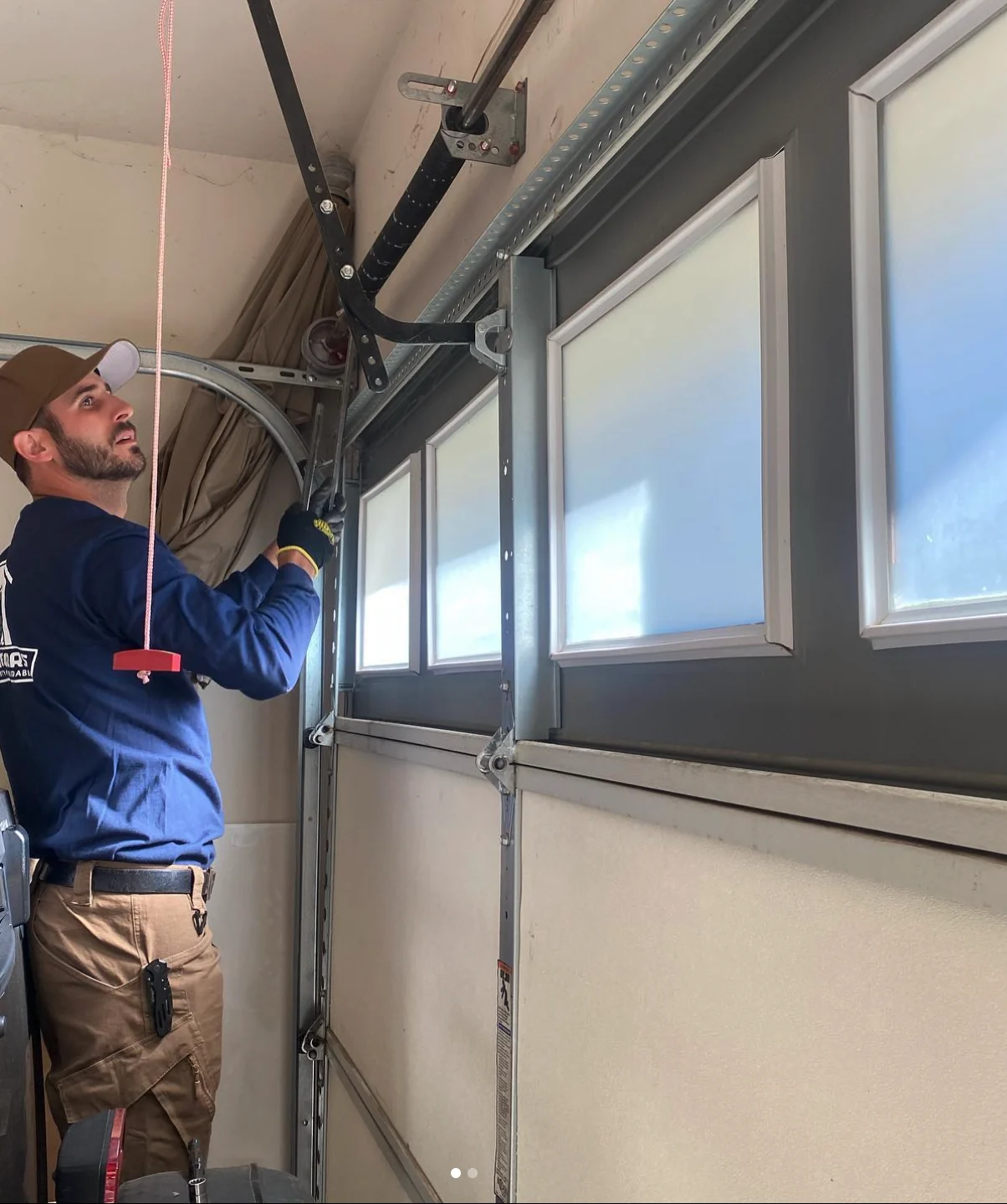
Before touching the electrical operator, our technicians disengage the emergency release cord and manually operate the door. We test balance at the floor, mid-travel, and full open positions. If the door feels heavy, drags, or binds, we re-tune the spring counterbalance first, because no electric opener can survive pulling an unbalanced door.

02

Electromechanical Chassis Inspection

We open the operator housing to inspect the primary drive assembly. We evaluate helical nylon gears for polymer wear, check drive chain or belt tension for sagging, test start capacitors with a digital capacitance meter, and inspect printed circuit boards for thermal discoloration or surge damage.

03

Component Rebuild & Precision Lubrication

Damaged components are replaced with heavy-duty OEM parts. We install fresh gear and sprocket assemblies, replace weakened capacitors, reseat logic board harnesses, and lubricate the motor drive screw or trolley track with non-silicone specialized grease designed not to collect abrasive Florida sand.

04

Optical Alignment & UL 325 Safety Verification

We realign the infrared photo-eyes using laser level markers, clean optical lenses, and calibrate down-force sensitivity. We conduct the mandatory UL 325 contact reversal test using a solid 2x4 block laid flat on the floor: the door must contact the block and reverse within two seconds without crushing.

Technical Specifications

Opener Technology Comparison: Drive Systems & Features

Evaluate the acoustic performance, maintenance demands, and structural suitability of modern opener drive architectures.

Drive ArchitectureAcoustic ProfileMaintenance DemandsRecommended Application
Belt Drive (Steel-Reinforced Polyurethane)Whisper Quiet (Under 55 dB)Minimal — Annual tension check & rail wipeHomes with living space, bedrooms, or nurseries above the garage.
Chain Drive (Full Heavy-Duty Roller Chain)Moderate Sound (65–75 dB)Periodic chain tensioning & sprocket lubricationDetached garages, budget-conscious installations, and heavy commercial doors.
Wall-Mount Direct Drive (Jackshaft)Virtually Silent (Under 50 dB)Extremely Low — Direct torsion shaft couplingCathedral ceilings, high-lift conversions, and garages maximizing overhead storage.
Smart Wi-Fi Operators (MyQ / Aladdin)Varies by Drive TypePeriodic firmware updates & battery checksHomeowners requiring remote smartphone monitoring, delivery access, and auto-close timers.
Equipment Lifecycle

When to Repair vs. When to Replace Your Opener

A common dilemma facing homeowners is whether to invest in repairing an aging garage door opener or upgrade to a modern smart operating system. Generally, if your current opener is less than 10 years old, was manufactured by a reputable brand with available OEM parts, and has suffered an isolated component failure—such as a stripped gear set or misaligned sensors—professional repair is practical, economical, and sensible.

However, if your opener was manufactured prior to 1993 (lacking mandatory external photo-eye safety sensors), it violates current federal safety standards and cannot legally be serviced under UL 325 guidelines. Furthermore, if the unit utilizes obsolete fixed DIP-switch radio frequencies that are easily intercepted by code-grabbing devices, or if the main AC motor windings have overheated and shorted, replacement is the far safer and more cost-effective decision.

Modern DC motor operators provide significant advantages over older AC motors: they feature soft-start and soft-stop acceleration that reduces wear on door hinges and rollers, consume up to 75% less standby electricity, and support integrated battery backup systems. Read our comprehensive economic analysis on garage door opener repair vs replacement.

When to Repair vs. When to Replace Your Opener
Calibrating electronic travel limits, optical safety sensors, and multi-channel encrypted rolling-code remotes.
Field Showcase

Opener Diagnostics & Modernization Field Work

Real service visits across Sarasota, Venice, and Lakewood Ranch diagnosing complex opener failures.

Expert Answers

Frequently Asked Questions About Garage Door Opener Repair

Expert answers to common questions regarding motor noises, remote programming, safety sensors, and brands.

Why does my garage door opener motor hum or grind without lifting the door?

When the electric motor hums or spins but the door does not move, the internal helical nylon drive gear has stripped. Openers utilize a sacrificial plastic composite gear designed to strip if the door binds or hits an obstruction, protecting the more expensive primary motor from burning out. We replace stripped gears with reinforced OEM gear kits and re-lubricate the drive assembly.

Why does my garage door reverse upon touching the floor?

If your door closes fully, contacts the concrete threshold, and reverses back open, the down travel limit or closing force limit is set too high. The logic board senses the resistance of the floor as an obstruction and initiates a safety reverse. Adjusting the digital or mechanical travel limit screws on the opener chassis will correct this problem.

Can I replace just the remote control or keypad if it stops working?

Yes. If your wall console functions normally but wireless remotes fail, we can program new universal or OEM rolling-code transmitters. If the remote still fails after battery replacement, the receiver logic board on the motor may require reprogramming or replacement.

What brands of garage door openers do you repair?

We service all major commercial and residential opener manufacturers, including LiftMaster, Chamberlain, Craftsman, Genie, Linear, Overhead Door, Marantec, and Wayne Dalton. Our service vehicles carry genuine replacement parts, remotes, sensors, and hardware for these systems.

Why do my garage door sensors blink when the door tries to close?

Flashing lights on the safety photo-eyes or the main opener housing indicate an optical alignment fault or obstruction. The infrared beam between the sending (green/amber) and receiving (green) sensors has been interrupted by misalignment, spider webs, dust on the lenses, or intense afternoon sunlight blinding the receiver lens.

Are battery backup systems mandatory on garage door openers in Florida?

While existing installed openers without battery backups are grandfathered in, any newly installed residential garage door opener must feature an integrated battery backup to comply with modern building safety standards. Battery backups ensure that homeowners can safely operate their garage door during electrical power outages caused by Florida tropical storms.

Talk through the problem

Request a Callback

Leave your contact details and location so we can discuss your garage door and scheduling.

Call — (954) 232-0054