
Chain vs Belt vs Screw Drive Openers
Drive type shapes sound, upkeep, and how an opener feels day to day. The right choice fits your door weight, ceiling layout, and tolerance for mechanical noise.
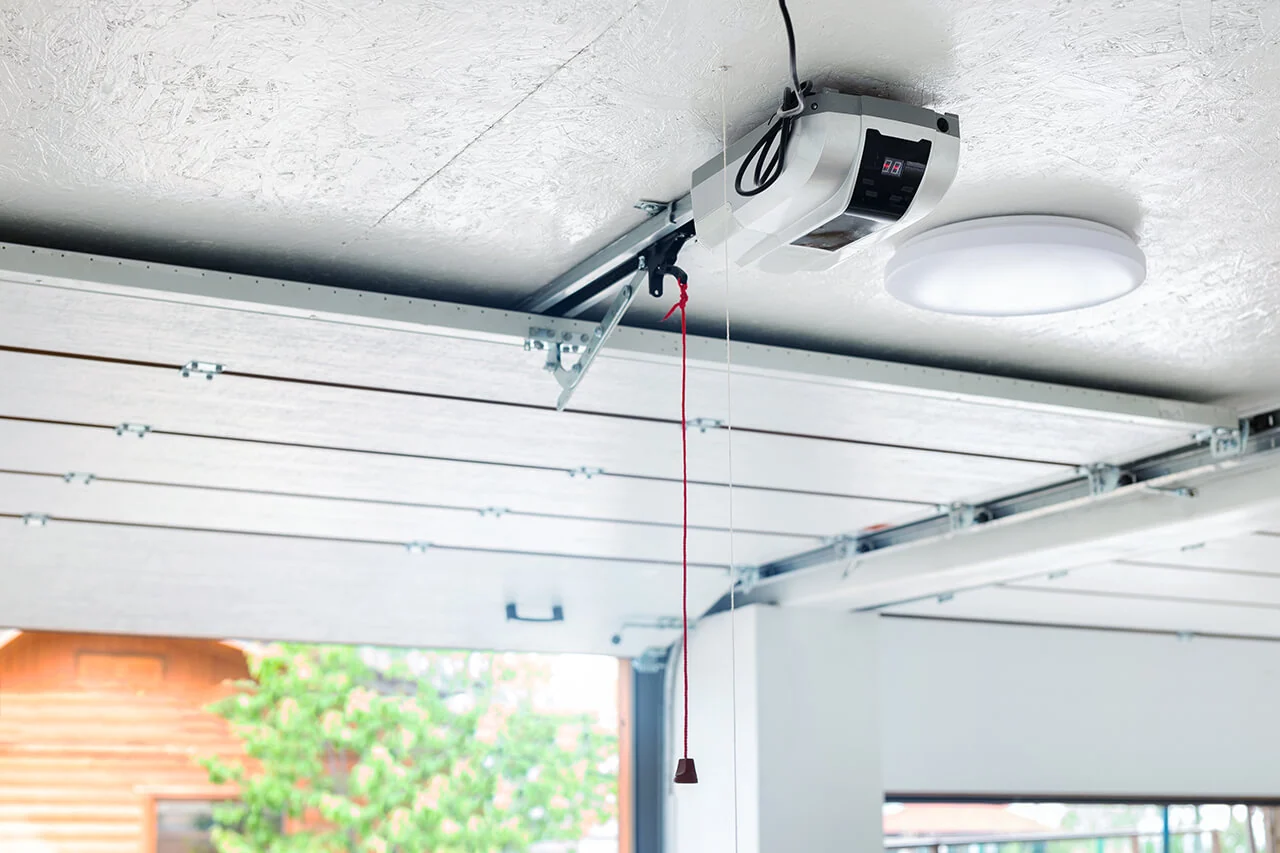
Chain drive strengths and tradeoffs
Chain drives are common, durable, and often cost-effective to maintain. They can be louder, especially in rooms above the garage, and chains need periodic tension checks and lubrication.
A loose or noisy chain is not always an excuse to replace the whole opener, see chain hanging loose.
Chain drives reward basic care. A dry, loose chain announces itself; a maintained chain can serve for years on a balanced door. If bedrooms are far from the garage, chain noise may never bother anyone.
Steel-on-steel sound transmits through framing. Soft isolation kits and solid mounting help, but physics still favors belts when the room above is a nursery.
Chain slap against the rail cover is often tension or worn sprocket related. A short service visit can reclaim quiet without replacing the entire opener when the motor and logic remain healthy.
Belt drive for quieter residential living
Belt drives typically run quieter and suit homes with living space above the garage. Belts can squeal or wear; they prefer correct tension and a door that is already balanced so the belt is not overloaded.
Noise troubleshooting: belt squealing and quiet upgrades.
Belt materials vary by brand. Some belts are quieter and more elastic; all of them dislike lifting an unbalanced door. If a belt fails early, we inspect springs and binding before blaming the belt alone.
Squeal can also be a dry roller sounding like a belt problem, diagnosis prevents buying the wrong part.
Belt openers still need a door that is balanced; otherwise the belt becomes the fuse that fails first. Pair belt interest with a spring and roller check.
Screw drive characteristics
Screw drives use a threaded rod and have fewer chain or belt parts to tension. They need appropriate lubrication and can transmit vibration if mounting is poor or the door binds. Availability and parts support vary by brand and age.
We evaluate screw-drive units on their own merits during repair-versus-replace talks rather than dismissing the design outright.
Screw-drive owners should follow lubrication guidance for their model. Dirt mixed with old lube becomes grinding paste. Clean application matters more than frequent heavy greasing.
If parts support fades, replacement with a modern belt or chain unit may be cleaner than orphaning a screw drive.
Screw-drive units in dusty Florida garages collect grit along the screw. A clean-and-lube service is sometimes the entire fix for harsh travel sounds.
Matching drive type to the house, not the ad copy
If bedrooms sit above the garage, quieter belts often win. If you want simple rugged hardware and noise is less critical, a well-maintained chain may be enough. Door weight and rail clearance still govern which openers are eligible at all.
Wall-mount jackshaft openers are another category for certain torsion-bar setups with limited ceiling space; ask during the visit if headroom is tight.
Headroom, side room, and torsion-bar clearance decide whether a ceiling trolley or wall-mount jackshaft is even possible. Drive-type preference sits on top of those constraints.
We measure before promising a particular product family on the written estimate.
Carriage-house doors with decorative hardware can amplify vibration visually and audibly. Soft-start openers and solid bracing help regardless of drive type.
Maintenance differences you will actually notice
Chains: tension and lube. Belts: tension and cracking inspection. Screws: clean lubrication along the screw. All types still need sensor checks, safe travel limits, and a balanced door.
Annual or seasonal tune-ups catch drive wear before a stranded car becomes the first symptom.
Regardless of drive, photo eyes, safe reversal, and secure rail brackets are shared requirements. A quiet opener that ignores an obstruction is not an upgrade.
Seasonal tune-ups keep whichever drive you choose from advertising itself through the house.
Travel limit drift creates slamming that homeowners blame on “a loud opener.” Limits and weather seals deserve a look before drive replacement.
How we help you choose without pressure
If repair restores safe function, we say so. If you want a quieter drive while replacing an aged unit, we outline compatible options on a written estimate.
Call (954) 232-0054, browse the opener guide, or book now.
If you are renovating the space above the garage, plan opener noise like you plan flooring underlayment, early. Retrofitting after drywall is still possible but less pleasant.
Commercial openings generally need commercial operators; residential drive debates do not transfer cleanly to dock doors.
If you rent the home, confirm with the owner before changing drive types. Repairs that restore safe function are usually clearer to approve than elective conversions.
Questions about this topic
Our Professional Service & Repair Standards
Florida humidity, salt air, and afternoon storms change how hardware ages. Lubricant dries. Fasteners rust. Photo-eyes get dirty. A door that slams, reverses, or sits heavy is sending a mechanical signal, not a random glitch. We explain those signals in plain language before anyone approves parts.
When you request service, share the ZIP, whether the door is stuck open or closed, and any recent storm, power outage, or opener change. Gate codes and HOA notes help. We are licensed and insured, open 24 hours, and we provide a written estimate after diagnosis. Call (954) 232-0054 or use the request form.
Residential garage doors throughout Sarasota and surrounding communities often experience torsion spring failure over time. A loud bang accompanied by a door that will not lift manually signals a broken spring; never attempt to wind or replace springs without proper training and equipment. Commercial doors typically wear from heavy cycle volume, leading to flattened rollers, cable fray, and operator strain. In all cases, our technicians conduct complete post-repair safety testing including balance, travel limits, and auto-reverse functions.
Tune-ups catch dry rollers, loose track bolts, and early cable wear before they cause unexpected operational failures. Installation is discussed only when panels, rust-through, or repeated structural repairs make replacement the safer path. We do not invent awards or publish fake review counts. Our local shop is located at 2517 Sota St, Sarasota, FL 34240.
Opener motors that hum without lifting usually mean the door is too heavy because a spring lost tension. Replacing the opener first often wastes money. Off-track doors after impact need track, roller, and cable checks together. Sensor issues in bright sun are often alignment and dirt, not a new motor.
Property managers can list multiple openings on one request. Seasonal residents should mention months of idle time. After a storm, say whether the door still moves. Email [email protected] if you need to send photos of cables, springs, or the opener rail. Photos never replace an on-site look, but they help us plan.
Our service guides cover torsion spring repair, opener repair, off-track recovery, cable replacement, tune-ups, and installation. Our service-area guide lists the communities we support throughout Southwest Florida. If you would like to read public reviews, please visit our Google Maps profile linked in the footer.
During a visit we document findings, then you choose the work with zero high-pressure sales tactics. After approved repairs we test the door through full cycles. If a part is not on the truck, we explain timing clearly. We follow the same process across Sarasota County and nearby Southwest Florida communities.
Safety first: keep people and pets clear of a moving door. Do not place bricks on remotes. If the door is off track, stop using the opener. If a cable is hanging, leave the door down if it is already closed. These habits prevent extra panel damage while you wait for a technician.
Common questions from property owners include how long a service visit takes, whether we service specific brands, and how our written estimates work. Service duration depends on site access and the specific repair needed. We service all major residential and commercial overhead door systems. Transparent estimates are provided directly after diagnosis, taking into account door weight, cycle ratings, and local environmental wear.
Helpful resources: use our request form to schedule service, view our contact page for shop location and hours, read about our team, or browse our blog guides. An educational guide never replaces an on-site diagnosis when the door is unsafe or under tension.
Garage door issues are much easier to diagnose when the entire door is evaluated as a unified system. Springs carry the counterbalance weight, cables and drums ensure level lifting, rollers and tracks guide smooth panel travel, and sensors and openers function reliably only when mechanical balance is restored. Quick Springs Garage Door Repair begins every service visit with a comprehensive inspection to ensure the true root cause is addressed.
System checks on every visit
These six checks ensure every service visit addresses the underlying mechanics rather than just swapping individual parts.
Springs
Torsion springs lose cycles. A bang or a heavy door needs professional spring service, never DIY winding.
Cables
Frayed cables or a cable off the drum pull a door crooked. We inspect both sides with spring work.
Tracks
Impact and loose brackets bend tracks until the door binds. Forcing travel makes it worse.
Openers
Motors that hum without lifting often mean a balance problem, not only a failed gear.
Sensors
Misaligned photo-eyes reverse on close. We clean, align, and test after track work.
Maintenance
Tune-ups catch dry rollers and loose hardware before they become a stuck-door call.
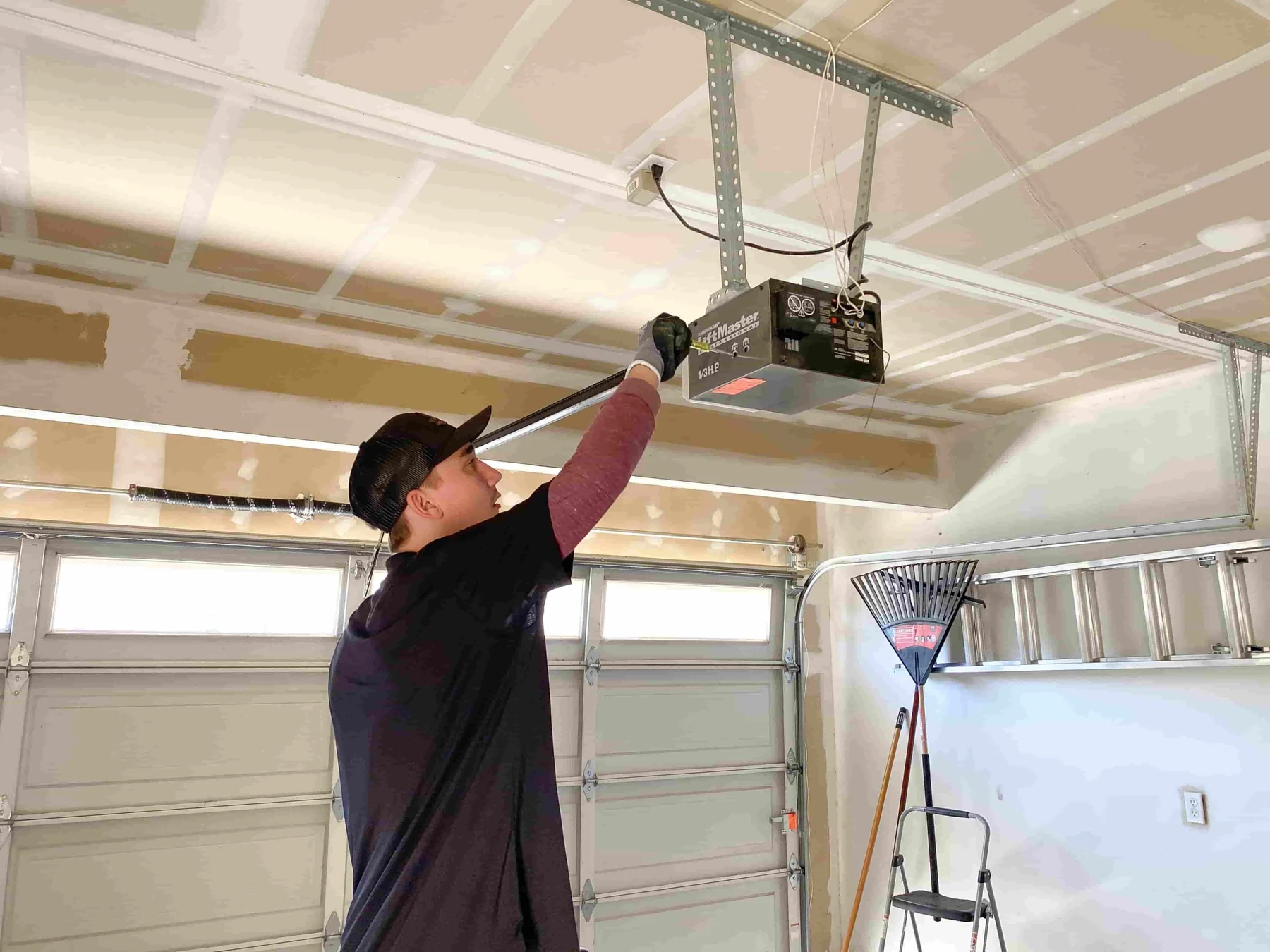
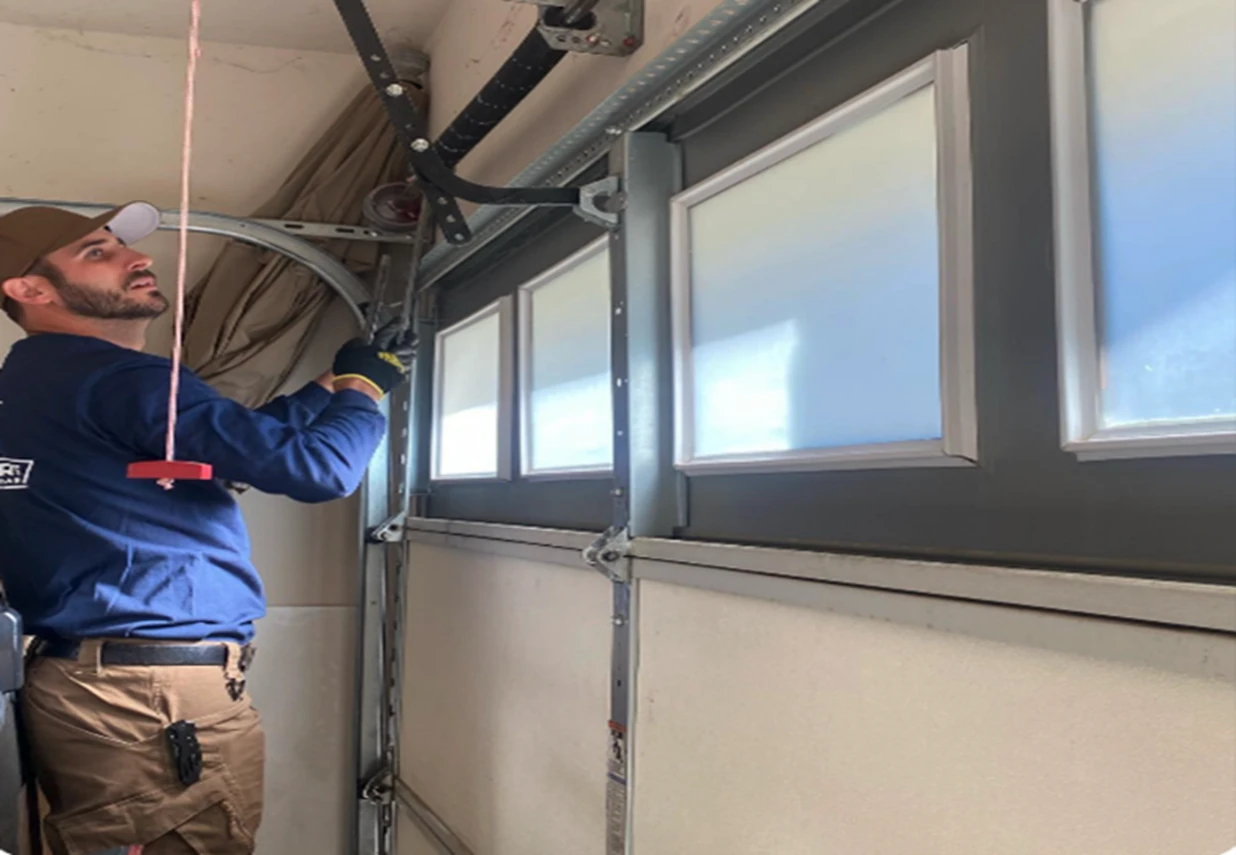
Photos from garage door work
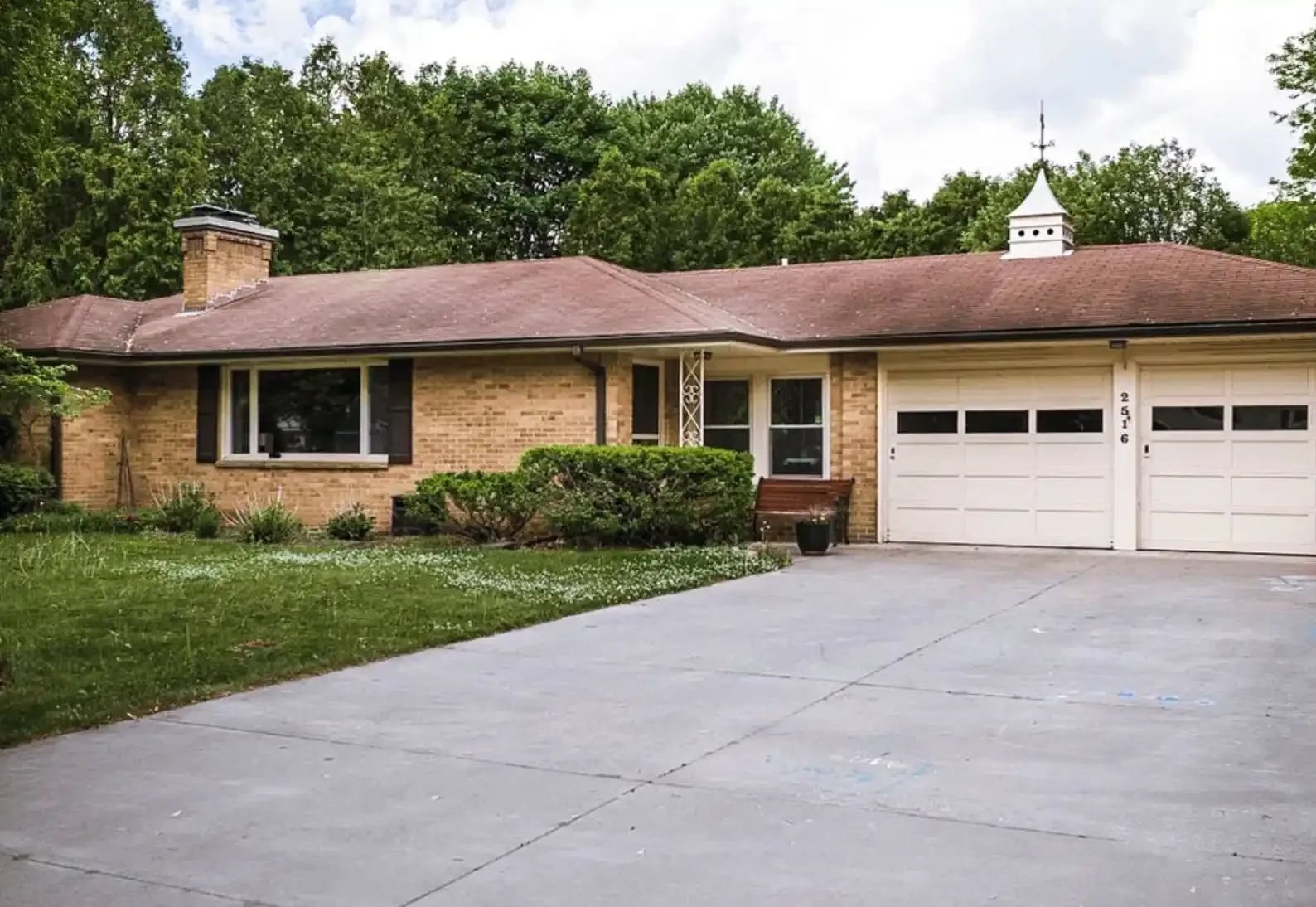
Representative service photos. Your door may need a different mix of springs, cables, tracks, or opener work after inspection.
What a service visit looks like
Request with ZIP
Call (954) 232-0054 or use the form. Mention symptoms and whether the door still moves.
Inspect the system
Springs, cables, drums, rollers, tracks, photo-eyes, and the opener are checked together.
Written estimate
You see findings and options before repair work begins. No pressure to guess parts over the phone.
Repair and test
Approved work is completed, then we test balance, travel, and auto-reverse.