Serving Sarasota Service appointments Appointment enquiries

Quick Springs Garage

Garage Door Repair in Bradenton, FL

A door that stops moving does not always need a new opener. Quick Springs Garage inspects the door, spring system and operator together, then explains the work needed for the fault found.

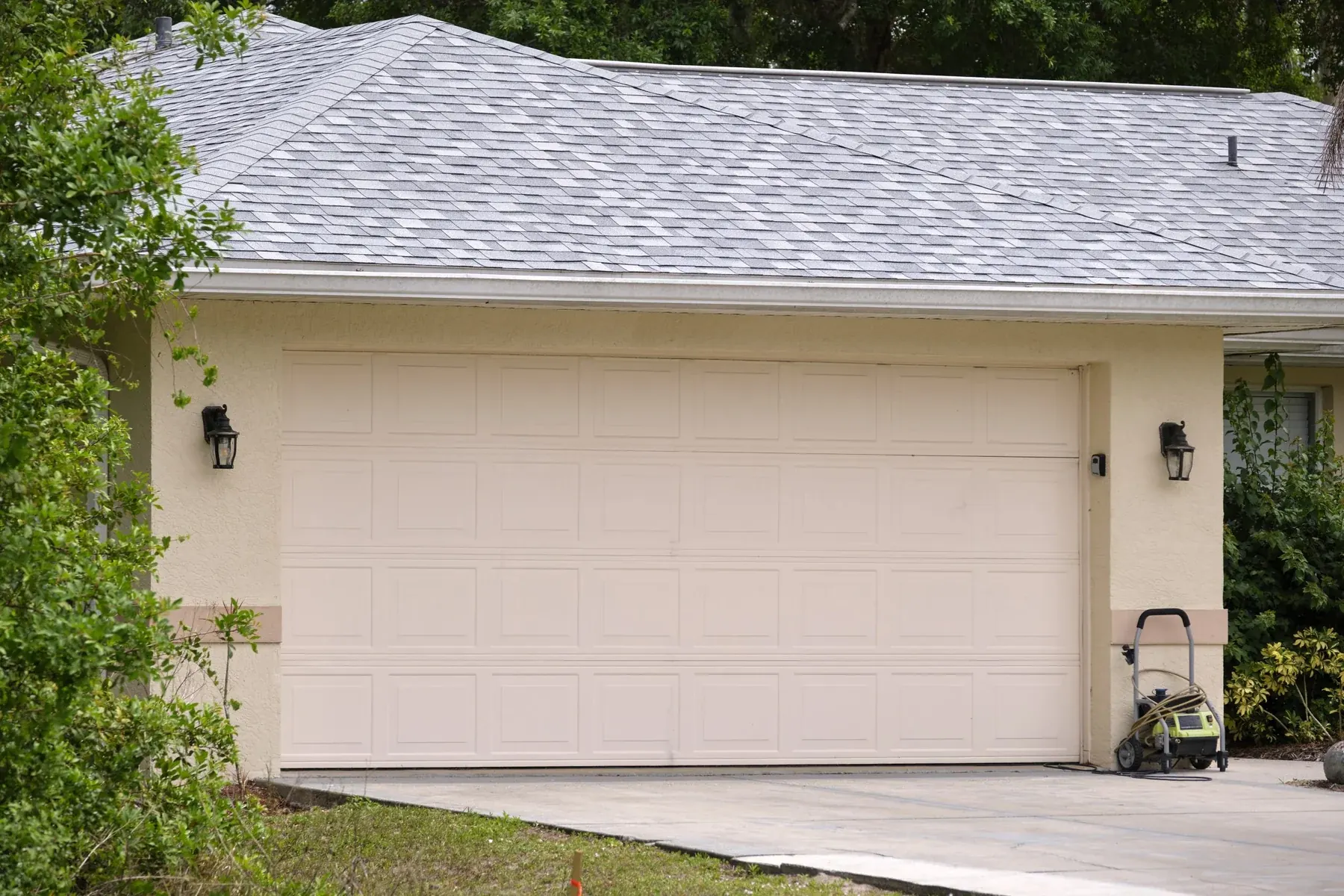
Residential garage door and driveway

Understand the options

Describe the symptom before choosing a repair

01

The opener runs, but the door does not move

  • Tell us whether the motor makes a sound and whether the door moves at all.
  • The problem may involve the opener connection, the spring system or another door component.
  • An inspection separates these possibilities.
02

The door sits unevenly

  • A cable or track problem can affect the position of the door.
  • Keep the opening clear and describe what is visible without moving the door or handling the hardware.
03

Movement is noisy or inconsistent

  • Note whether the sound occurs at the start, during travel or near the closed position.
  • That detail helps distinguish a roller or track issue from an opener problem.

Service details

Choose the service that fits the problem

Spring and lifting-system assessment

If the door has become difficult to move, describe what changed before choosing a replacement part. A spring enquiry may also involve cables, drums or other connected hardware. Tell us about any previous spring replacement and whether the door itself has been altered since that work.

The useful decision is which parts need attention on this installation. Ask the technician to explain the findings, the proposed spring arrangement and any related repairs separately. A door's location or appearance alone is not enough to specify its lifting components.

Opener and control enquiries

An opener enquiry can begin with the wall control, a handheld remote, a keypad or a connected app. Note which controls respond and which do not. If a model label is readable from a safe position, that information helps identify the equipment under discussion.

You do not need to order a motor before arranging an assessment. Explain the symptom and let the inspection establish whether the issue involves a control, the operator or the mechanical door. If replacement is proposed, ask which existing accessories can remain in use.

Door installation and maintenance

For a replacement-door discussion, start with the reason for the change. Damaged sections, appearance, access and the condition of the existing hardware lead to different questions. Share any available door identification and property requirements; do not assume a matching color means a matching door system.

For maintenance, describe changes in sound, movement or operation rather than requesting an unspecified package. Ask what the inspection covers and which findings would require a separate estimate. A maintenance visit and a structural door replacement should have clearly different scopes.

Plan the work

What happens at the visit

Garage door panels, tracks and lift componentsPanels + tracks + lift components
Door-system illustration: panels, tracks and lift components are checked together.
01

Inspect before recommending parts

  • We check the door sections, tracks, rollers, cables, spring arrangement and opener.
  • The condition of connected parts matters when defining the repair.
02

Review the proposed work

  • The written estimate describes the agreed repair.
  • Ask which parts are included, whether related wear needs attention and what will be checked after the work.
03

Check the repaired system

  • After the agreed work, the technician checks door travel and balance and the applicable opener safety functions.
  • Any remaining issue should be explained separately.

Plan your visit

Make the property visit easier to arrange

An occupied home

Tell us whether the garage is used for parking, storage or everyday entry. Mention a vehicle inside, restricted driveway access or an opening that cannot currently be used. These details help explain the access problem without requiring you to operate a damaged door for a demonstration.

Before the appointment, agree where the technician can enter and who will be present. Move ordinary stored items only where doing so is safe and does not involve the door hardware. Leave brackets, cables and spring components untouched for the assessment.

A rental or managed property

For a rented home, identify the person who can approve the work and the person who can provide access. They may not be the same person. A property manager's contact details, tenant availability and any access restrictions are useful to establish before discussing a visit.

Ask how the findings and estimate should be shared with the approving party. If approval is needed for additional work, make that clear at the outset. Avoid assuming that an occupant can authorize a replacement simply because they can open the property for the technician.

A business or shared entrance

If a garage or overhead door serves a business, explain what passes through the opening and when access is needed. Include any building-management instructions and whether another entrance is available. The enquiry should distinguish a household garage door from equipment serving a shared or commercial space.

Describe the existing door and operator rather than choosing a residential product by default. Equipment suitability, working access and the agreed scope depend on the installation. Any restrictions on work hours or access should be discussed before an appointment is confirmed.

Discuss the details

Planning a Bradenton appointment

01

Address and access

  • Provide the service address or ZIP code, whether the door is open or closed, and any entry instructions.
  • For a rental or managed property, confirm who can approve work.
02

Residential and commercial doors

  • Describe how the door is used and whether access must be coordinated with occupants or business operations.
  • The equipment and scope are assessed before a repair is agreed.

Bradenton
Share the property address or ZIP code and any access instructions when discussing the visit. View service-area information.

Review the options

Read the estimate as a plan for the work

Identify the original complaint

A useful estimate connects the reported problem with the inspection findings. If you reported a crooked door, ask what the inspection found and which proposed work addresses it. If an additional issue is identified, ask how it relates to the original complaint.

Keep the distinction between observed condition and a proposed upgrade clear. You should be able to identify the work needed for the agreed repair and any separately discussed options. An unfamiliar technical term is a reason to ask for an explanation before approving the scope.

Compare parts and installation together

Two estimates can describe different work even when both mention the same general service. Compare the components, installation work and checks being proposed. For an opener, include compatible controls; for lifting hardware, ask which related parts were inspected and which are included in the work.

If a product rating or warranty is offered, request the details for that actual product. Do not rely on a general headline or assume that every item has identical terms. Keep the written description so a later enquiry can refer to the agreed equipment.

Agree how changes will be handled

Some decisions depend on findings that can only be explained at the property. Ask how additional work will be presented for approval and who should receive that explanation. Establishing that contact is particularly useful when the owner will not attend the visit.

If you decide to defer an option, make sure the remaining scope is understood. Ask about the door's condition after the agreed work and any limitations that remain. A clear record helps distinguish a completed repair from recommendations that were discussed but not authorized.

Keep a useful record

Keep useful information after the visit

Understand the handover

At completion, ask which work was carried out and whether it differed from the initial proposal. If controls or equipment changed, ask for an explanation of their use. Describe any remaining symptom before treating the original concern as resolved.

Keep the invoice, equipment information and relevant instructions together. These records are useful if a question arises later or another person manages the property. They also help distinguish the parts fitted during this visit from older hardware that remained on the door.

Record changes without recreating them

If a different symptom appears later, note when it began and which controls were being used. A description of the door position and visible condition is more useful than repeatedly operating it to reproduce a problem. Avoid handling lifting hardware to investigate it yourself.

Refer to the previous service record when contacting the business. Explain whether the concern resembles the earlier fault or involves something different. That gives the next discussion a factual starting point without assuming either that the prior work failed or that a new part is needed.

Plan future decisions from the actual door

After a repair, a future installation or maintenance discussion can use the findings already recorded. If replacement was suggested, keep the reason and proposed options. If the door remains in service, use the applicable manufacturer instructions and the technician's explanation when discussing care.

There is no need to select a replacement based only on the age of the neighbourhood or a general product comparison. The installed system, its condition and your intended use should guide the next decision. Confirm availability and scope when you are ready to discuss work.

Questions

Before arranging service

Do I need to identify the broken part before calling?

No. Describe what the door does and any visible damage from a safe position. The inspection establishes the repair scope.

Can you assess a door that is still moving?

Yes. Describe noise, hesitation or uneven travel. Do not keep cycling a door that appears damaged.

Is Bradenton in your service area?

Yes. Provide your address or ZIP code so we can confirm scheduling and access arrangements.

Appointments

Tell us about the door.

Include your ZIP code, the door’s current position and the work you want to discuss. We confirm availability and the next step when reviewing your request.

Talk through the problem

Request a Callback

Leave your contact details and location so we can discuss your garage door and scheduling.

Call — (954) 232-0054