Serving Sarasota Service by appointment Available by phone every day
Structural Engineering & Wind-Load Replacement

Garage Door Installation in Sarasota, FL

Installing a new overhead garage door is one of the most critical structural and aesthetic investments you can make in your Florida property. A garage door represents the single largest opening in a residential building envelope. When high winds from tropical storms and hurricanes impact coastal Southwest Florida, an improperly rated or sub-standard garage door is frequently the primary point of failure, leading to catastrophic internal pressurization and roof loss.

At Quick Springs Garage, we engineer every installation to exceed Florida Building Code standards. From impact-resistant sectional steel panels and reinforced hurricane U-bars to precision-calibrated torsion springs and heavy-gauge track assemblies, our certified technicians ensure your new door operates smoothly, quietly, and reliably for decades.

Florida Building Code (W1–W8) Impact Ratings High-Density Polyurethane R-18.4 Insulation Custom-Calculated Torsion Counterbalance Transparent Written On-Site Quotes
Garage Door Installation in Sarasota, FL
Hurricane-Rated Sectional Installation
Wind-Load Certified · Sarasota & Manatee County
Details →

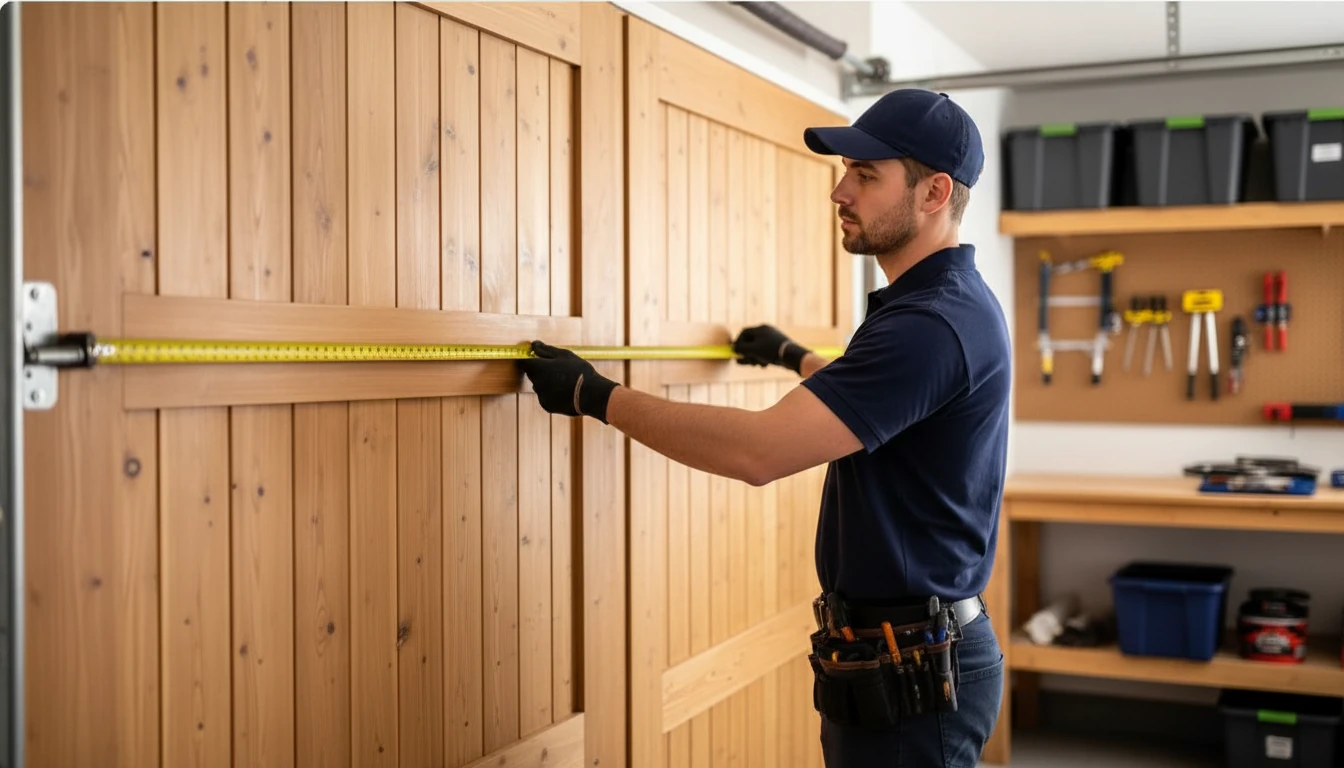
Architectural Survey

Precision laser measurement of jamb framing, header clearance, and backroom depths.

Wind-Load Code Compliance

Engineered reinforcement struts meeting Sarasota and Manatee County hurricane wind codes.

Matched Counterbalance

Springs custom-calculated to the exact door mass to prevent opener motor strain.

Eco-Friendly Haul Away

Complete removal and environmentally responsible metal recycling of existing hardware.

Mechanical Architecture

Anatomy of an Impact-Resistant Overhead Door System

A modern overhead garage door is an intricate electromechanical assembly operating under hundreds of pounds of continuous counterbalance tension. The system consists of multiple interconnected subsystems: the exterior architectural panels, the structural vertical and horizontal tracks, the torsion shaft and spring counterbalance, the aircraft-grade lift cables, and the motorized trolley or jackshaft drive unit. When you choose a new door through Quick Springs Garage, we do not simply replace the visible curtain; we comprehensively evaluate and upgrade every component to ensure structural harmony.

In coastal Florida, standard lightweight residential doors simply do not survive. Thermal expansion, daily cycling in extreme humidity, and high wind pressures cause budget doors to sag, bind within tracks, and burn out opener motors prematurely. Our installations utilize premium sectional steel construction featuring hot-dipped galvanized skins, thermal-break barriers that halt outdoor heat transfer into your living space, and heavy-duty 14-gauge structural hinge assemblies. Learn more about selecting optimal materials in our guide to choosing architectural garage door panels.

Every panel joint features pinch-resistant tongue-and-groove engineering lined with dual-durometer vinyl seals. This design blocks wind-driven torrential rains, airborne dust, and pest intrusion, turning your garage into a cleaner, temperature-stabilized environment that protects stored vehicles, water heaters, and home workshop equipment. If you're deciding between repairing an aging unit or starting fresh, review our detailed analysis on the difference between garage door repair and replacement.

Anatomy of an Impact-Resistant Overhead Door System
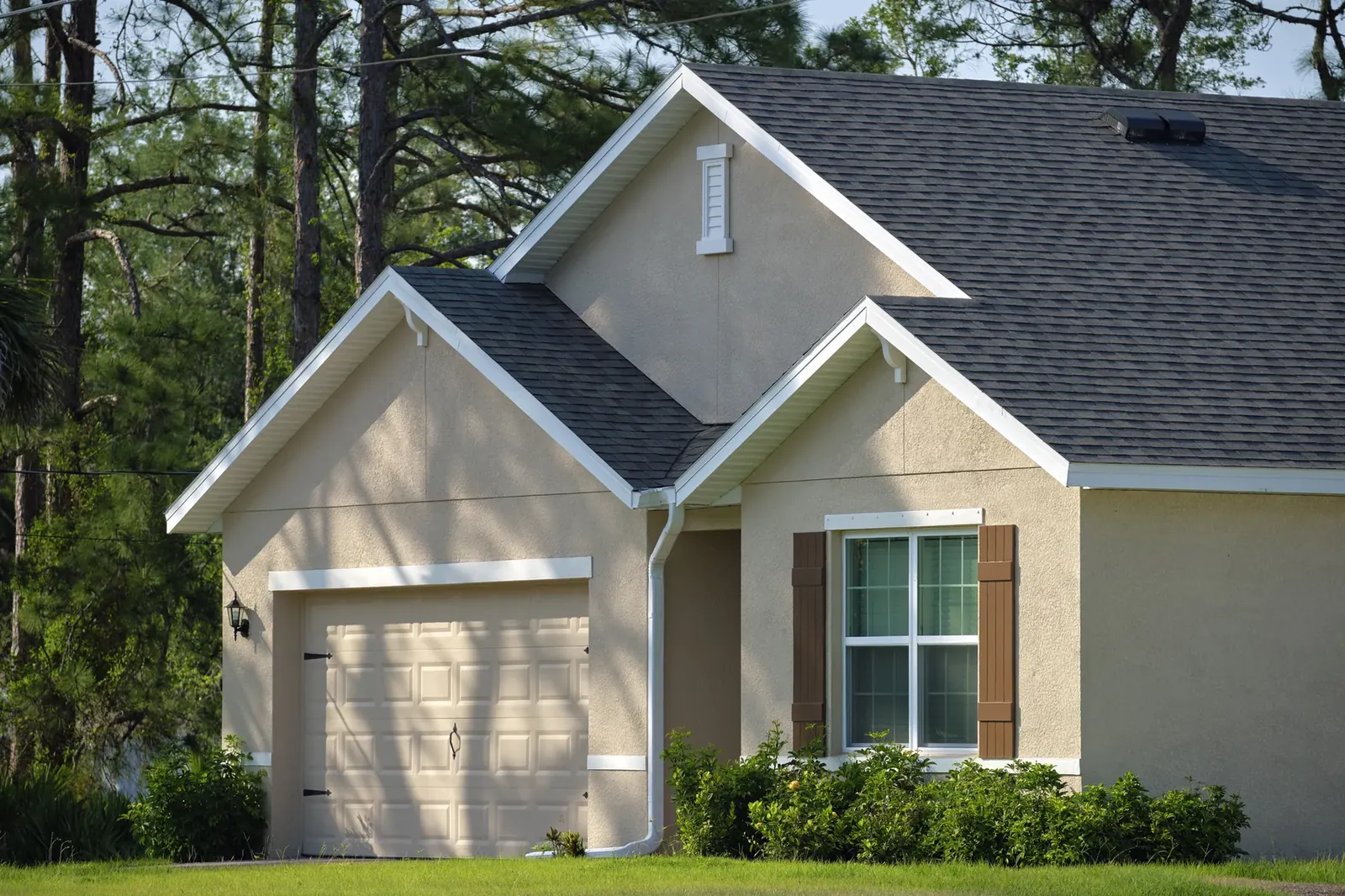
Precision-fitted insulated sectional door featuring impact-rated glass inserts and heavy-gauge hardware.
Environmental Resilience

Thermal Efficiency, Humidity Barrier & Coastal Protection

Southwest Florida presents one of the most punishing environments in North America for exterior building materials. The combination of intense ultraviolet solar radiation, prolonged ambient temperatures exceeding 90°F, relentless relative humidity, and corrosive airborne marine salt spray places severe chemical and thermal demands on garage doors. In communities like Sarasota, Siesta Key, Longboat Key, and Venice, uninsulated non-galvanized doors become thermal radiators, heating garage interiors and transferring heat directly through adjoining residential walls.

Our polyurethane-injected sandwich panels utilize continuous closed-cell foam insulation with R-values ranging from R-12.9 to R-18.4. Unlike cheap polystyrene sheets that sag and crumble over time, high-density polyurethane is chemically bonded between inner and outer steel skins, creating a composite structural panel with immense torsional stiffness. This structural rigidity prevents bowing under hurricane negative wind pressures and significantly reduces energy bills. Read our in-depth study on whether an insulated garage door is worth the investment in Florida.

To combat galvanic corrosion and rust caused by sea salt chlorides, every installation includes hot-dipped galvanized track brackets, zinc-plated heavy-duty fasteners, and powder-coated commercial hinges. Paired with a flexible EPDM rubber bottom astragal seal resting inside an aluminum retainer, our doors establish an airtight barrier against tidal storm surge spray and driving rains. Review our homeowner maintenance protocols in our guide to coastal garage door care.

Thermal Efficiency, Humidity Barrier & Coastal Protection
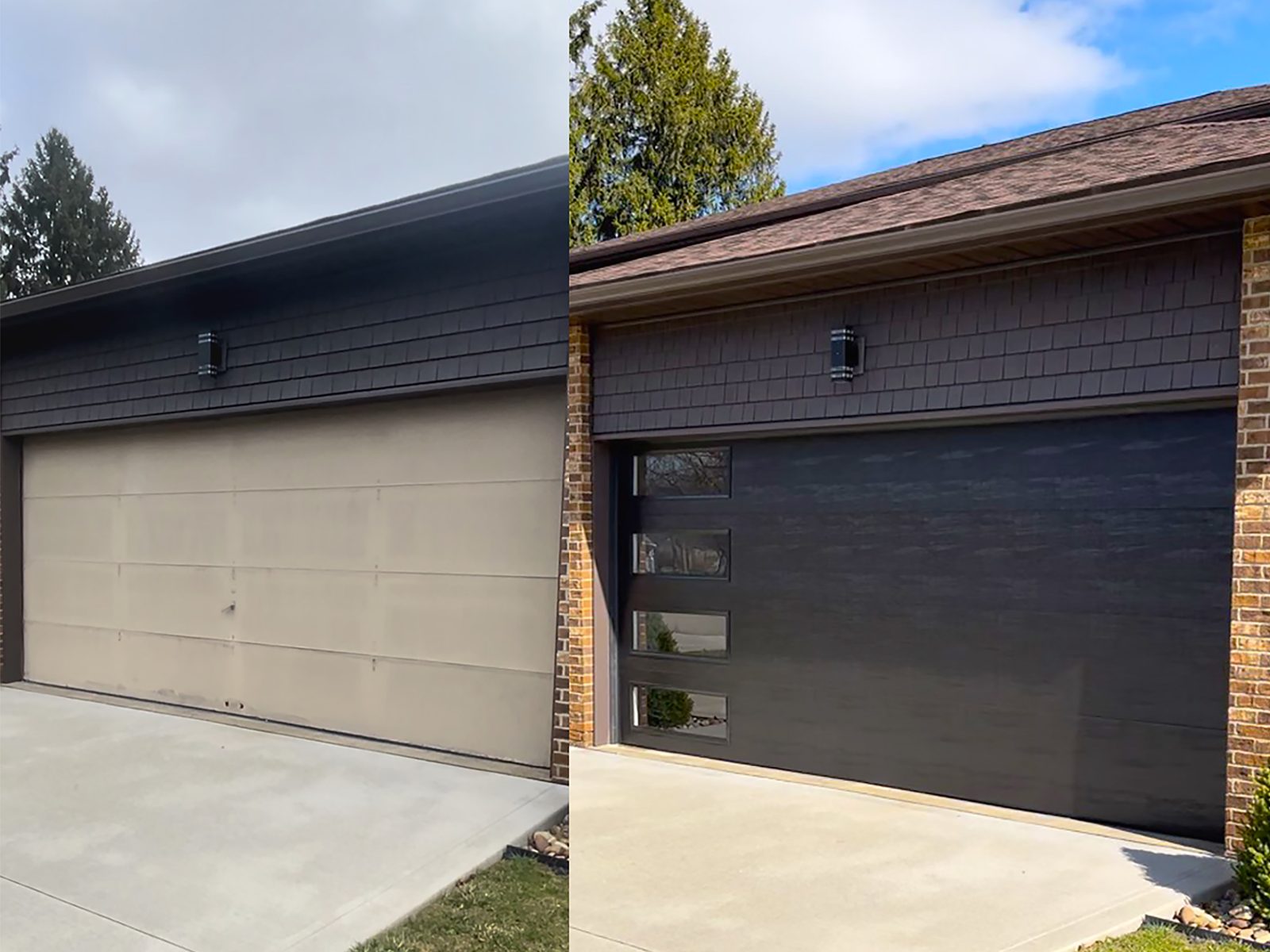
Before and After: Replacing a compromised, non-insulated storm door with a certified impact-resistant wind-load system.
Diagnostic Matrix

Determining When Replacement Outweighs Repeated Repairs

Understanding the mechanical, financial, and safety thresholds that indicate an overhead door has reached the end of its serviceable lifespan.

Structural Failure

Buckled or Fractured Sections

When vertical vehicle collisions or wind flexure bends structural horizontal panel struts, re-bending the steel permanently compromises tensile strength. Patching damaged panels risks sudden catastrophic track derailment during movement.

Panel replacement criteria →
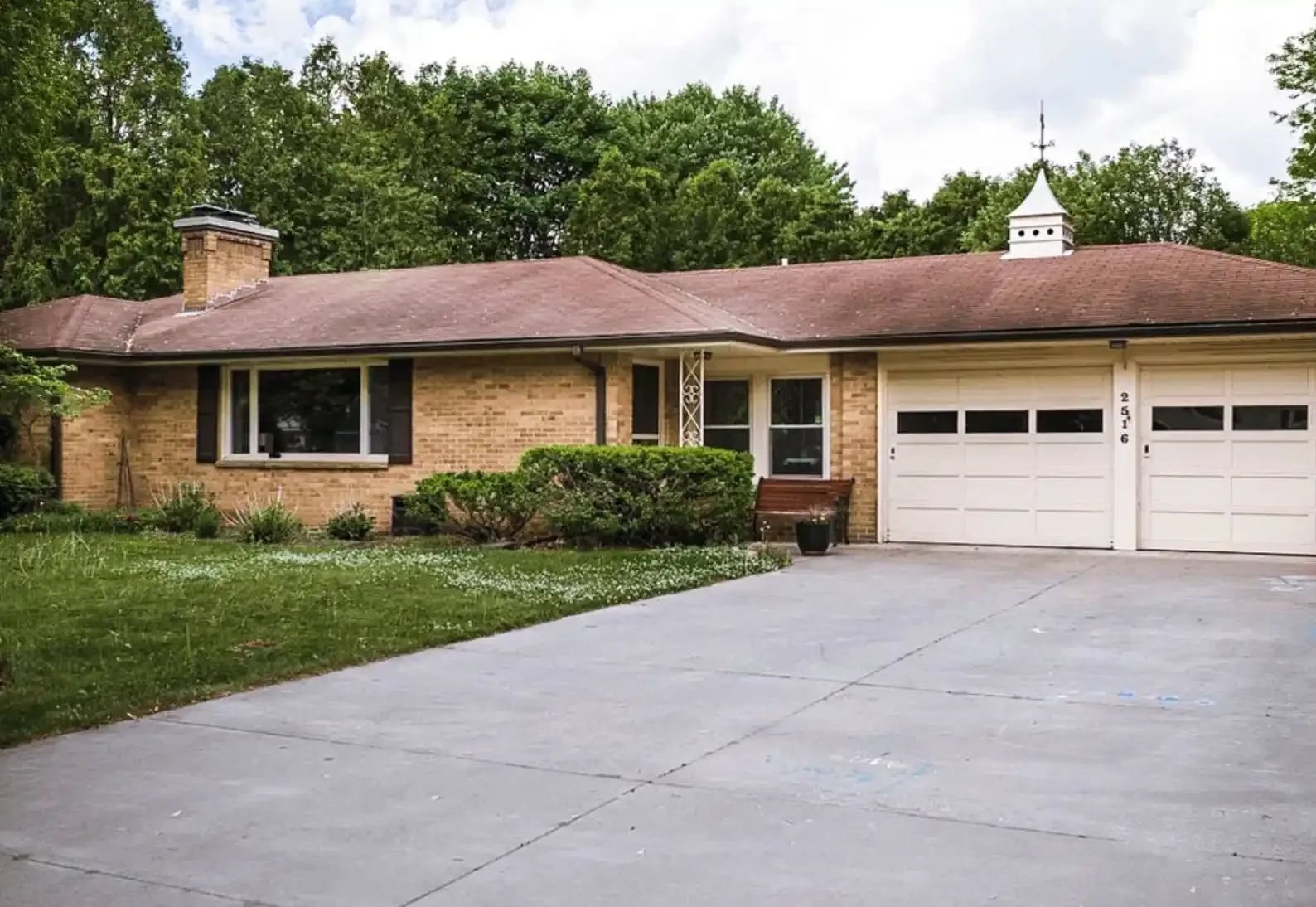
Building Code

Non-Compliant Wind Ratings

Doors installed prior to modern Florida Building Code revisions lack the mandatory reinforcing U-bars and heavy jamb brackets required to withstand 140+ MPH wind pressures. An unrated door voids hurricane insurance mitigation discounts.

Wind code requirements →
Mechanical Wear

Severe Operational Rattling

Decades of daily thermal cycles loosen stamped steel hinges and deform track channels. When an assembly shakes and screeches persistently despite lubrication, the entire mechanical system is out of alignment.

Diagnosing noise & vibration →
Energy Loss

Lack of Thermal Insulation

Single-layer non-insulated steel doors transfer brutal afternoon sun directly into your garage, overworking your home's central HVAC system and spoiling temperature-sensitive items stored inside.

Thermal performance comparison →
Obsolete Controls

Outdated Safety Sensors

Legacy operators manufactured without modern rolling-code encryption or UL 325 auto-reverse infrared sensors present severe personal injury hazards and leave homes vulnerable to unauthorized RF code grabbing.

Modern opener safety standards →
Counterbalance Fatigue

Permanent System Imbalance

When panel warpage or moisture absorption alters door weight beyond the compensation capability of standard springs, your opener burns out its internal nylon gears trying to lift dead structural weight.

Torsion counterbalance physics →
Service Protocol

The Quick Springs Precision Installation Protocol

Our four-stage engineering methodology guarantees millimeter accuracy, structural code compliance, and whisper-quiet operation.

01

Architectural Survey & Framing Audit

We begin by conducting a comprehensive on-site survey. Our technicians laser-level the garage floor to calculate threshold slope, inspect header framing for structural anchor capacity, and verify side-room clearances for track brackets and counterbalance shafts. We help you select panel architectural designs, window configurations, and colorways that seamlessly match your home's exterior elevation.

02

Controlled Teardown & Eco-Disposal

Safety is paramount when handling high-tension components. Our certified technicians systematically unwind the existing torsion springs, de-tension the aircraft lift cables, and dismantle track assemblies and old panels section by section. All scrap metal, decayed weatherstripping, and obsolete operators are loaded onto our trucks and transported to licensed recycling facilities.

03

Structural Erection & Counterbalance Assembly

We erect vertical track assemblies plumb to within 1/16th of an inch, anchoring them with heavy-gauge steel jamb brackets into solid masonry or structural wood framing. Each sectional panel is stacked using 14-gauge hot-dipped galvanized hinges and precision nylon rollers. We calculate the exact door mass and install matched oil-tempered torsion springs calibrated for maximum cycle longevity.

04

Dynamic Calibration & Multi-Point Safety Testing

Before connecting an electric operator, we verify perfect manual counterbalance: the door must float effortlessly at waist height without drifting up or slamming down. We integrate modern belt-drive or jackshaft openers, program rolling-code remotes and digital keypads, calibrate electronic travel limits, and perform UL 325 obstacle-reversal safety testing.

Technical Specifications

Engineering Comparison: Standard vs Impact Wind-Load Systems

Review the critical mechanical differences between standard contractor-grade overhead doors and our hurricane-engineered installations.

Technical FeatureStandard Contractor DoorQuick Springs Wind-Load InstallationOperational Benefit
Steel Skin Thickness27-Gauge Rolled SteelHeavy 24-Gauge Galvanized SteelResists denting, high winds, and torsional deflection.
Insulation CoreNon-Insulated or Open PolystyreneInjected High-Density Polyurethane (R-18.4)Dramatic reduction in heat transfer and ambient street noise.
Counterbalance Springs10,000 Cycle Basic Springs25,000–50,000 High-Cycle Oil TemperedProvides 3x to 5x longer operating life between replacements.
Track SpecificationsThin 18-Gauge Steel TracksCommercial 14-Gauge Heavy Reinforced TrackEliminates track flexing, rattling, and roller pop-out risks.
RollersUnsealed Plastic or Steel Rollers13-Ball Bearing Sealed Nylon RollersDelivers ultra-quiet glide and protects against salt corrosion.
Wind-Load ReinforcementNone or Minimal Horizontal StrutsFull Integrated W1–W8 Heavy Reinforcement U-BarsEngineered to meet Florida Building Code R301.2.1 standards.
Regulatory Compliance

Florida Building Code (FBC) & Insurance Mitigation

In Sarasota County and Manatee County, residential building regulations regarding exterior envelope protection are among the most stringent in the world. Florida Building Code section R301.2.1 mandates that all replacement garage doors must possess authenticated engineering documentation demonstrating compliance with local design wind speeds—typically between 140 MPH and 160 MPH depending on your exact distance from coastal waters (Exposure Category C vs Category B).

Installing a non-permitted, non-wind-load-rated door is not only a severe safety hazard; it also exposes homeowners to substantial legal and financial liability. If an unrated door fails during a windstorm, insurance carriers frequently deny claims for resulting water damage or structural roof failure. Furthermore, when you sell your home, municipal building code inspections will flag unpermitted garage doors, stalling closings and requiring expensive retroactive permits.

Every new garage door installed by Quick Springs Garage includes an official manufacturer wind-load engineering label and Florida Product Approval / Miami-Dade NOA paperwork. We handle all required municipal permitting from start to finish. Once installed, our certified hurricane-rated doors qualify homeowners for substantial Wind Mitigation insurance premium discounts on their annual Florida homeowners insurance policies. Review our guide on hurricane preparation and garage doors in Sarasota.

Florida Building Code (FBC) & Insurance Mitigation
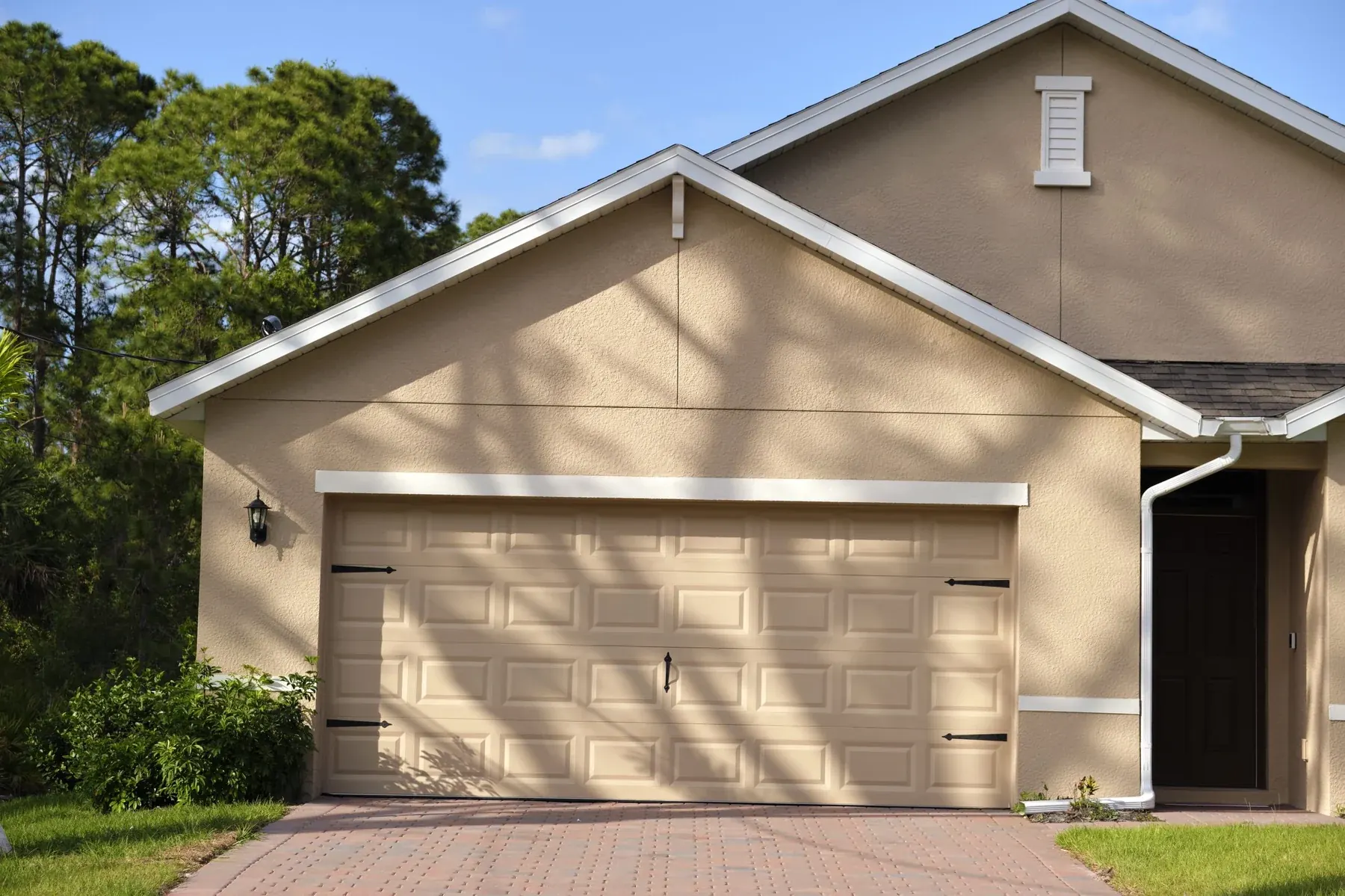
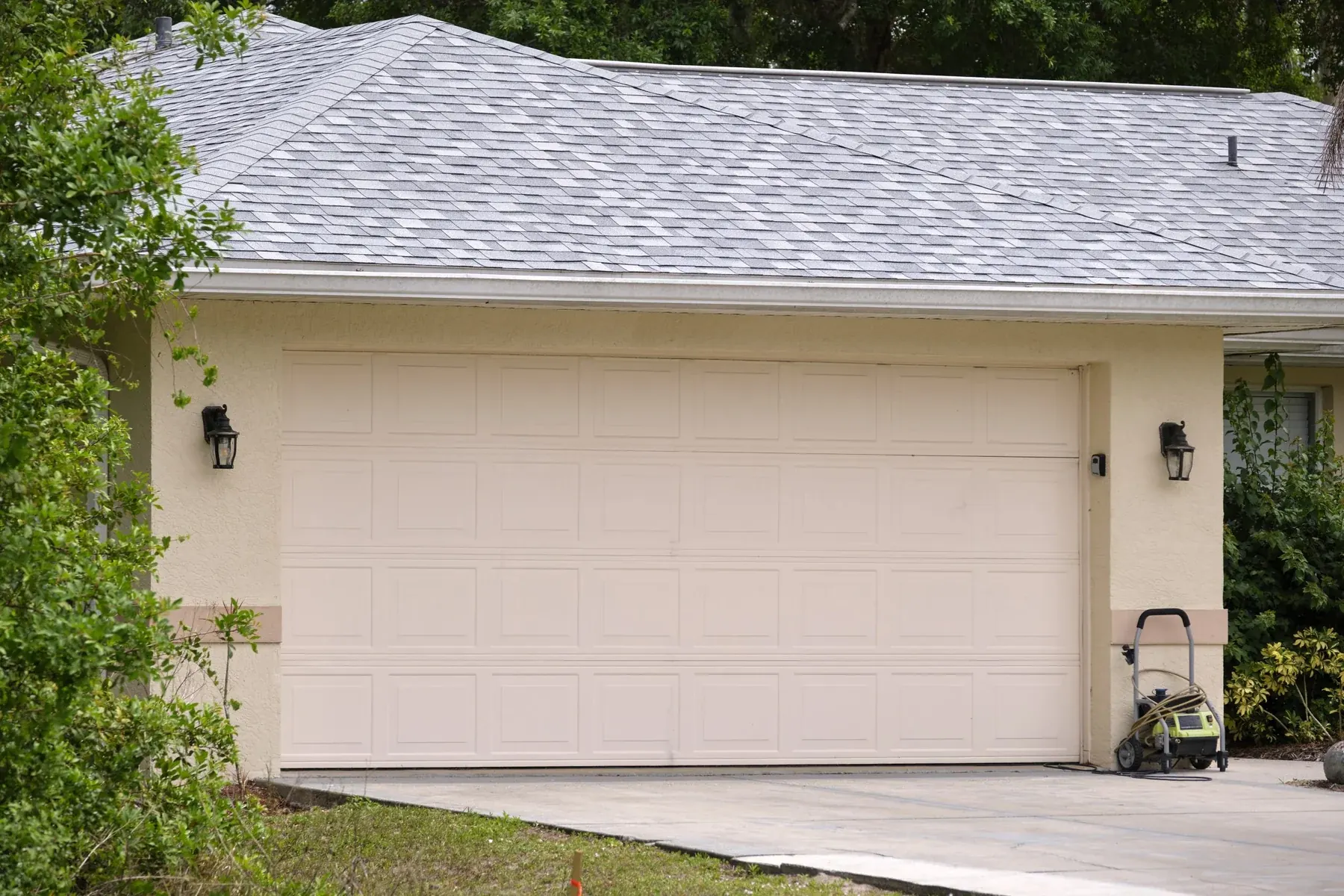
Engineered hurricane-rated double-car garage door installation with reinforced wind struts and thermal insulated panels.
Field Showcase

Recent Installation Projects in Southwest Florida

Explore examples of custom-fitted overhead door systems installed across Sarasota, Bradenton, and Lakewood Ranch.

Expert Answers

Frequently Asked Questions About Garage Door Installation

Clear, expert guidance regarding installation timelines, pricing variables, hurricane ratings, and opener integration.

How do I know if my existing garage door needs full replacement rather than repair?

Replacement is recommended when the structural integrity of the door is compromised—such as multiple buckled or creased panels from vehicle impact, severe corrosion along the bottom steel section, or when the door lacks certified Florida wind-load reinforcement. If repairs to tracks, springs, cables, and openers approach 50% of the cost of a modern, energy-efficient new door, replacement is significantly more economical over the long term.

What wind-load rating does my garage door need in Sarasota or Bradenton?

Under the current Florida Building Code, design wind speeds in Sarasota and Manatee counties range from 140 to 160 MPH, depending on geographic proximity to the Gulf of Mexico and whether the home is in an open coastal terrain (Exposure C) or suburban setting (Exposure B). Doors must be engineered to resist both positive (inward) and negative (outward suction) wind pressures. We determine the exact required wind-load rating for your specific parcel and pull all necessary permits.

How long does a standard residential garage door installation take?

A standard single or double-car residential installation typically requires 4 to 6 hours to complete. This includes safe de-tensioning and removal of the old door, erecting new commercial tracks, stacking panels, hanging precision-calibrated torsion springs, reconnecting and calibrating the electric opener, and performing comprehensive multi-point safety testing.

Can I reuse my existing electric garage door opener with a new door?

In many cases, yes. If your existing opener is less than 10 to 12 years old, features functioning infrared safety eye sensors, and has adequate horsepower (typically 1/2 HP to 3/4 HP for insulated doors), we can re-hang and re-calibrate it to work seamlessly with your new door. However, if the opener lacks modern rolling-code encryption, battery backup capabilities, or exhibits significant motor wear, replacing it simultaneously ensures seamless system reliability.

What is the difference between polyurethane and polystyrene insulation?

Polyurethane is a high-density expanding foam that is injected under heat and pressure between the inner and outer steel skins of the panel. As it cures, it bonds directly to the steel, creating exceptional structural rigidity, superior sound dampening, and high thermal insulation (R-12 to R-18.4). Polystyrene consists of rigid styrofoam sheets inserted into the panel cavity, offering lower R-values (R-6 to R-9) and less structural reinforcement.

Do you haul away and dispose of the old garage door hardware?

Yes. Every complete installation estimate includes the complete teardown, removal, and responsible ecological recycling of your old door panels, compromised track assemblies, worn springs, and scrap hardware. We leave your garage floor swept clean and ready for use.

Talk through the problem

Request a Callback

Leave your contact details and location so we can discuss your garage door and scheduling.

Call — (954) 232-0054