Serving Sarasota Service by appointment Open 24 hours
Comprehensive 21-Point Preventative Maintenance

Garage Door Tune-Up & Inspection in Sarasota, FL

Your garage door is the heaviest moving electromechanical system in your home, cycling up and down an average of 1,500 to 2,500 times per year. Over thousands of cycles in Southwest Florida's humid, salt-laden atmosphere, vibration gradually loosens structural fasteners, roller ball bearings dry out and pit, and high-tension torsion springs lose essential counterbalancing torque. Without routine maintenance, small minor issues—like dry roller squeaks or slight track misalignment—inevitably cascade into severe, costly failures such as snapped lift cables, burnt opener motors, or off-track derailments.

At Quick Springs Garage, our certified technicians perform a comprehensive 21-point tune-up and safety inspection designed to restore whisper-quiet operation, prevent unexpected breakdowns, and maximize the operating life of your entire overhead door system. From high-pressure non-silicone lubrication and structural bolt torquing to static counterbalance testing and UL 325 auto-reverse calibration, we keep your door performing safely and flawlessly.

Comprehensive 21-Point Mechanical & Safety Audit High-Pressure Commercial-Grade Lubrication Precision Static & Dynamic Spring Balance Testing UL 325 Optical Sensor Auto-Reverse Calibration
Garage Door Tune-Up & Inspection in Sarasota, FL
21-Point Maintenance Protocol
Safety Audits & High-Pressure Lubrication · Sarasota
Details →

Complete Fastener Torquing

Tightening all vibration-loosened hinge screws, track bolts, and opener mounting brackets.

Noise Elimination

Silencing loud screeching, grinding, and rattling with specialized friction-reducing compounds.

Counterbalance Verification

Ensuring the door lifts effortlessly by hand to prevent premature opener motor burnout.

Itemized Condition Report

Providing a written safety checklist detailing component health and remaining cycle lifespans.

Mechanical Degradation

Why Preventative Maintenance Is Essential for Florida Doors

Every time your garage door cycles, intense mechanical forces pulse through its moving parts. The torsion springs twist and unwind under thousands of inch-pounds of stored torque. Steel rollers spin thousands of revolutions inside track channels. Lift cables flex around drum grooves, and multi-jointed steel hinges pivot under continuous vibration. In standard inland climates, these parts suffer steady mechanical wear; in coastal Florida, that wear is accelerated tenfold by constant atmospheric moisture and airborne salt chlorides.

A single unlubricated hinge or sticky roller bearing introduces parasitic drag into the system. To overcome this friction, the electric opener motor is forced to pull harder, drawing excessive electrical amperage and straining its delicate nylon drive gears. Simultaneously, if the torsion springs lose tension from metal fatigue, the door becomes heavy, forcing the opener to lift dead weight rather than a perfectly balanced curtain. Over time, this compounding mechanical drag causes premature motor burnout and structural track bowing. For a deeper understanding of maintenance planning, consult our comprehensive garage door maintenance hub.

Our 21-point tune-up operates on a preventative philosophy: catching minor hardware fatigue before it manifests as an unexpected breakdown that traps your vehicle inside the garage. By systematically lubricating moving joints, aligning track geometry, and calibrating opener travel and force limits, we extend the operational lifespan of your springs, cables, and motor by up to 50%. Review our checklist in preventive garage door care checklist.

Why Preventative Maintenance Is Essential for Florida Doors
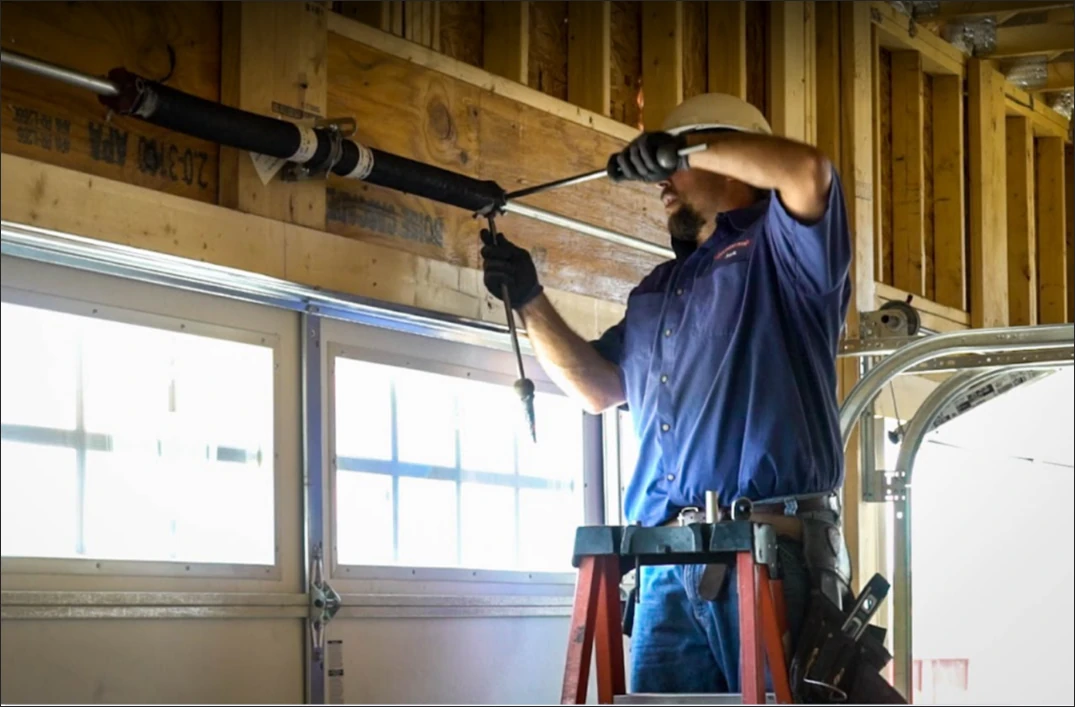
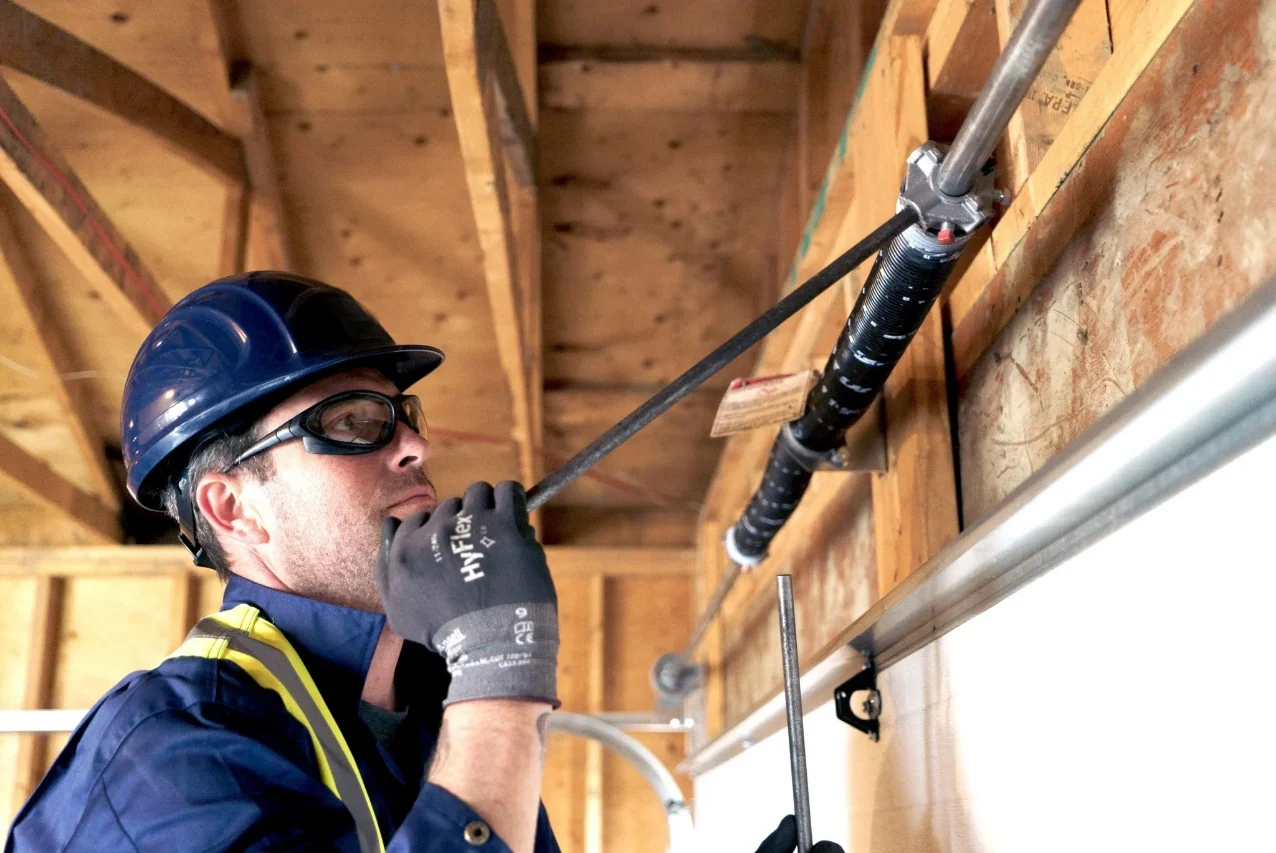
Precision inspection of torsion spring coils, center bearing support plates, and lift cable tension.
Chemical Maintenance

The Chemistry of Lubrication: Why WD-40 Destroys Garage Doors

One of the most widespread and damaging maintenance mistakes Florida homeowners make is spraying standard household WD-40 or heavy automotive grease onto their garage door tracks and rollers. Standard WD-40 is a solvent and water-displacement agent formulated with light petroleum distillates—it is NOT a long-term lubricant. When sprayed onto bearings and hinges, it dissolves and flushes away the factory-installed lithium grease, leaving raw metal surfaces completely unprotected.

Furthermore, WD-40 leaves a thin, sticky residue that acts as a magnet for airborne dust, sand, and pet hair. Within weeks, this buildup turns into an abrasive grinding paste that wears down ball bearings and binds roller stems. Similarly, applying thick automotive axle grease inside track channels traps debris, causing rollers to slide and skid rather than rotate smoothly, developing flat spots that cause loud popping sounds. Learn the facts in our guide on quieting a noisy garage door.

During a Quick Springs professional tune-up, our technicians use exclusive commercial-grade, non-silicone, high-pressure penetrating lubricants formulated specifically for high-cycle overhead door mechanisms. These specialized lubricants penetrate deeply between tight torsion spring coils, into roller ball bearing races, and inside hinge pivot sleeves without dripping or collecting grit. For coastal homes, review our specialized protocol in coastal garage door maintenance tips.

The Chemistry of Lubrication: Why WD-40 Destroys Garage Doors
Applying commercial-grade high-pressure friction reducer to torsion spring coils to prevent inter-coil binding and squealing.
Diagnostic Matrix

Symptoms That Your Overhead Door Demands a Comprehensive Tune-Up

Listen and observe your garage door during operation—these visible and acoustic cues signal escalating mechanical distress.

Acoustic Warning

Piercing Screeching or Squeaking

High-pitched metallic squealing indicates dry, unlubricated hinge pivots, friction between spring coils, or grinding roller bearings. Metal-on-metal wear severely damages precision hardware.

Acoustic diagnostic guide →
Vibration

Violent Shuddering or Jerking Travel

If the door shudders, vibrates, or jerks noticeably as it ascends, vertical track brackets have loosened, roller stems are binding, or the horizontal tracks have shifted out of parallel alignment.

Resolving door shaking →
Counterbalance

Door Feels Heavy During Manual Lifting

Disengage the emergency release cord and lift the door by hand. If it feels like dead weight requiring more than 15 pounds of effort, your torsion springs have fatigued and lost counterbalance torque.

Counterbalance fatigue testing →
Opener Strain

Opener Strains, Hums, or Bends Rail

When the opener rail visibly flexes or bows upward during the initial lift, the motor is struggling against an unbalanced door, leading to stripped nylon drive gears and motor burnout.

Opener motor overload signs →
Track Clearance

Door Scrapes or Binds Against Jambs

Temperature swings cause framing timber and steel tracks to expand. If the door panel rubs against the vinyl perimeter stop molding or masonry jambs, tracks must be laser-realigned.

Correcting track scraping →
Safety System

Erratic Auto-Reverse or Sensor Failure

If the door fails to reverse when encountering an obstacle, or if the photo-eyes flash erratically, your family and vehicles are exposed to serious crushing hazards.

Safety sensor calibration →
Service Protocol

Our Rigorous 21-Point Preventative Tune-Up Checklist

Our multi-point procedure covers every mechanical, structural, and electrical sub-assembly in your overhead door system.

01

Structural & Visual Fastener Audit

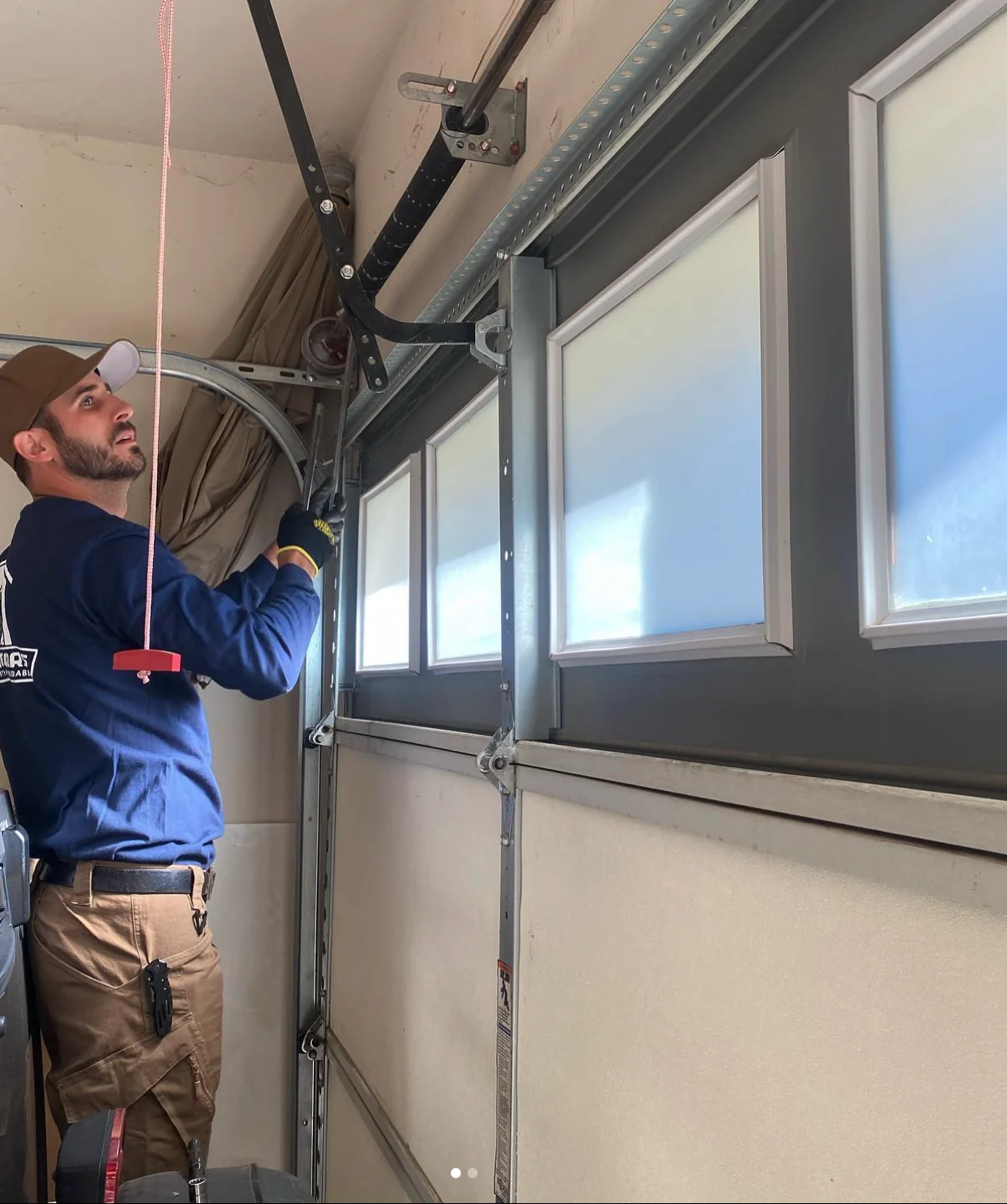
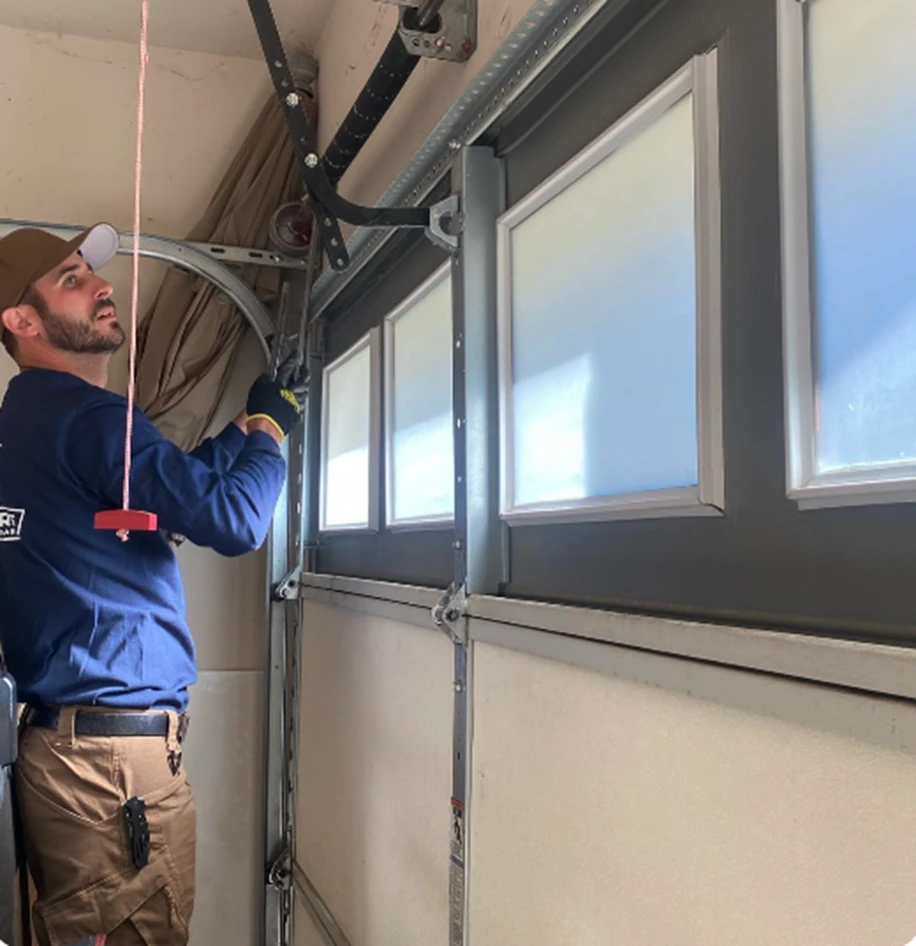
We examine all vertical track brackets, horizontal ceiling hanging angles, flag brackets, and center bearing support plates. Using calibrated torque wrenches, we tighten every vibration-loosened lag screw, hinge nut, and track fastener, ensuring rigid anchoring into your garage framing.

02

High-Pressure Commercial Lubrication

We apply non-silicone, high-pressure penetrating lubricant across all mechanical pivot points: torsion spring coils, end-bearing plates, center carrier bearings, roller ball bearings, and steel hinge knuckles. We clean the track channels with solvent to remove grit without leaving sticky residues.

03

Balance, Track & Cable Calibration

We disconnect the electric opener to perform precision manual balance tests. We inspect lift cables for microscopic fraying, check drum grooves for burrs, laser-check vertical tracks for plumb and parallel tolerance, and verify that the door curtain rests perfectly level across the floor threshold.

04

Electronic Opener & UL 325 Safety Certification

We evaluate the electric operator, inspecting internal drive gears, testing chain or belt tension, calibrating open and close travel limits, cleaning optical sensor lenses, and executing mandatory UL 325 auto-reverse block tests to verify life-safety compliance.

Technical Specifications

Tune-Up Frequency & Maintenance Standards by Usage & Climate

Determine the ideal preventative maintenance schedule based on your household cycling frequency and coastal proximity.

Property Setting & UsageRecommended IntervalPrimary VulnerabilitiesEssential Service Actions
Standard Residential (1–2 Cars, Inland)Once AnnuallyFastener vibration loosening, spring cycle fatigueComplete 21-point audit, fastener torquing, balance test, spring lubrication.
Coastal / Waterfront (Within 3 Miles of Gulf)Every 6 MonthsChloride salt corrosion, bearing seizure, cable rustMarine anti-corrosion spray, cable inspection, roller bearing flush.
High-Cycle Household (3+ Cars / Home Business)Every 6 MonthsAccelerated spring fatigue, hinge knuckle ovalizationSpring torque calibration, opener gear check, nylon roller inspection.
Commercial Facility / Fleet BayQuarterly (Every 3 Months)Heavy operational wear, track misalignment, impactFull commercial audit, cable tension sync, photo-eye realign, safety reverse testing.
Homeowner Inspection Protocol

How to Perform a Simple Monthly Door Balance Test

Between professional annual tune-ups, the Door & Access Systems Manufacturers Association (DASMA) recommends that homeowners perform a simple 30-second balance check every month. This test allows you to detect spring fatigue or mechanical drag before it burns out your electric opener motor or snaps a lift cable.

To test balance: Close the garage door completely. Pull the red emergency disconnect cord to release the opener trolley. Now, manually lift the door by hand to roughly waist height (about 3 to 4 feet off the floor) and gently let go. A properly balanced door will remain floating in place supported entirely by the springs, moving no more than a couple of inches. If the door feels heavy and crashes down to the floor, your springs have lost tension and require professional calibration. If it snaps upward violently, the springs have excessive tension.

Never attempt to adjust spring tension or cable set screws yourself. A heavy door is a clear signal to schedule a professional 21-point tune-up. Review our step-by-step homeowner guidance in what to expect during a garage door tune-up in Sarasota.

How to Perform a Simple Monthly Door Balance Test
Precision measurement of torsion spring wire diameter, inner diameter, and active coil count during a safety inspection.
Field Showcase

Field Maintenance & Noise Elimination Results

Real tune-up and hardware revitalization results completed for Sarasota and Lakewood Ranch homeowners.

Expert Answers

Frequently Asked Questions About Garage Door Tune-Ups

Clear, expert answers regarding tune-up pricing, noise reduction, recommended frequencies, and maintenance scopes.

How often should my garage door have a professional tune-up in Florida?

For standard residential homes located inland, a professional tune-up should be conducted once per year. However, for homes located along coastal beaches, barrier islands (Siesta Key, Longboat Key), or near saltwater canals where humidity and salt air are severe, we recommend maintenance every six months to prevent rust, cable corrosion, and bearing seizure.

Why shouldn't I spray WD-40 on my garage door tracks?

WD-40 is a solvent and degreaser, not a lubricant. Applying it dissolves existing protective grease and leaves a sticky petroleum film that attracts airborne sand, dust, and grit, creating an abrasive paste that wears out rollers and tracks. Furthermore, tracks should never be greased—tracks should be wiped clean, and specialized non-silicone lubricant should be applied only to moving ball bearings, spring coils, and hinge pivot points.

Can a 21-point tune-up make my noisy garage door quiet?

Yes, dramatically. Proper commercial-grade lubrication, track bolt tightening, and upgrading worn metal rollers to sealed 13-ball nylon rollers eliminates up to 75% of operational screeching, grinding, and rattling, restoring smooth, quiet operation that won't disturb rooms above or next to the garage.

What is included in your 21-point garage door tune-up?

Our tune-up includes: visual audit of all panels, springs, cables, drums, rollers, and hinges; tightening of all track, hinge, and motor mounting fasteners; commercial lubrication of spring coils, bearings, and hinges; static and dynamic door balance testing; track plumb and spacing alignment; opener chain/belt tension calibration; travel limit adjustment; optical photo-eye cleaning and alignment; and UL 325 auto-reverse safety testing.

How can I tell if my garage door springs need rebalancing?

With the door closed, pull the red emergency release handle to disconnect the electric motor. Manually lift the door to waist height (around 3 to 4 feet) and release it. If the door is properly balanced, it will stay in place supported by the springs. If it crashes down to the floor or snaps upward toward the ceiling, the springs are improperly tensioned and require professional calibration.

How long does a professional garage door tune-up service take?

A standard residential tune-up and safety inspection typically takes 45 to 60 minutes per door. If our technician discovers worn, cracked, or fatigued components that require replacement, we provide a clear written estimate and explain all options before performing any repairs.

Talk through the problem

Request a Callback

Leave your contact details and location so we can discuss your garage door and scheduling.

Call — (954) 232-0054