Usage matters
- A frequently used door puts more operating cycles on its springs.
- Discuss your usual pattern of use rather than choosing a spring solely by a promised number of years.

Quick Springs Garage
A spring upgrade starts with the door specification and how often the door is used. We assess whether a higher-cycle option is suitable, then explain the proposed parts and installation scope.
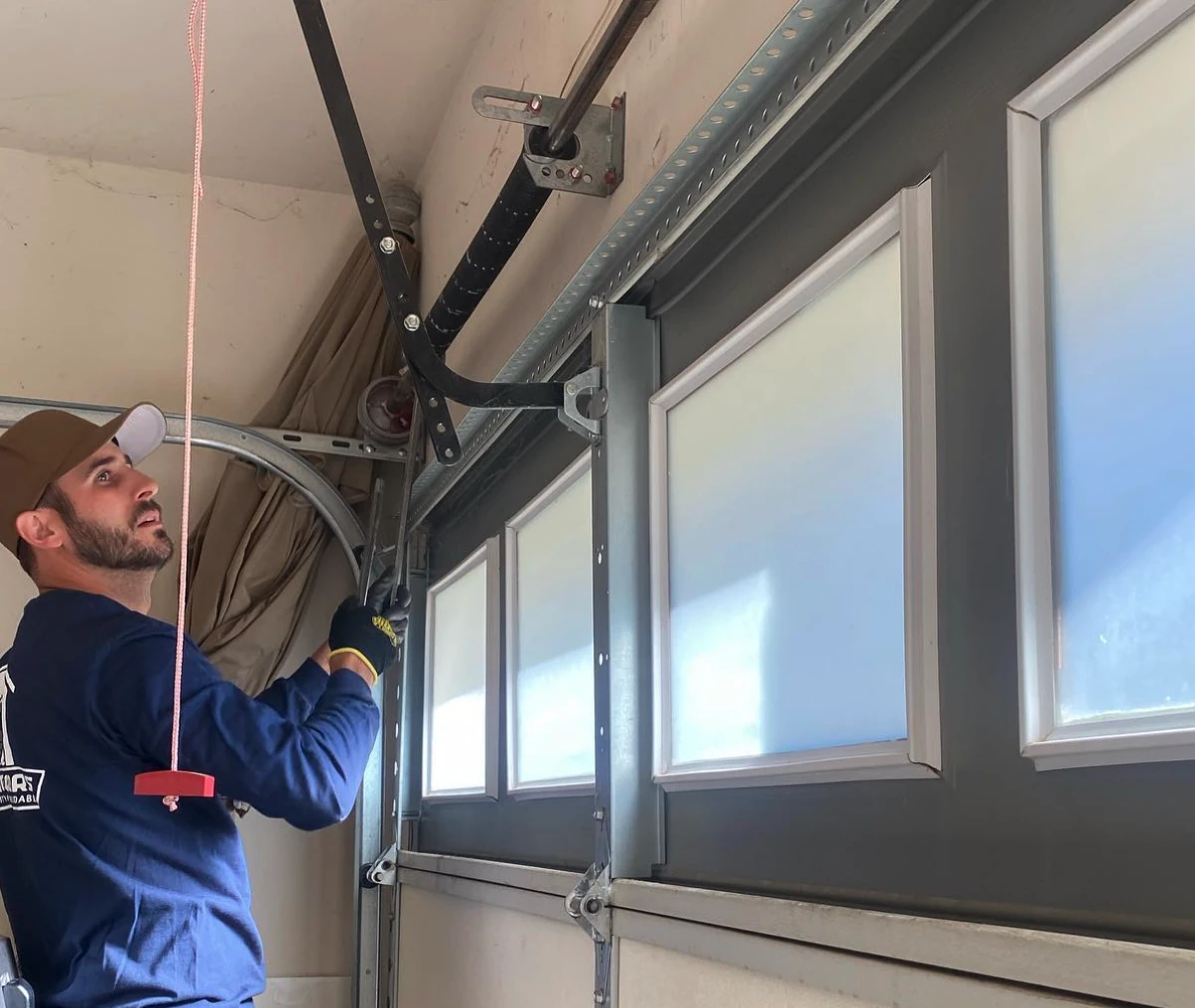
Understand the options
Standard replacement
Compare the actual spring specification, parts and work proposed.
Higher-cycle option
Ask for the proposed cycle rating and confirm suitability. A rating is not a promise of a fixed number of years.
Service details
When discussing a higher-cycle option, request the rating associated with the actual spring being proposed. A general description of upgraded hardware is not a substitute for product information. The estimate should make the choice understandable without requiring you to calculate a spring specification yourself.
Ask whether the comparison uses the same door and installation requirements for both options. A rating describes a specified product; it does not establish the remaining life of every other component. Keep the proposed spring information with the estimate so the comparison can be reviewed before work is approved.
A cycle rating, a warranty and an estimate describe different things. If all three are discussed, ask for each to be explained separately. The product's rating should not be treated as a promise that a spring will last a particular number of calendar years.
Request any warranty terms in writing for the actual proposal. Ask which product or work they apply to and what instructions accompany them. This helps avoid a decision based on a general website headline rather than the documents supplied with the equipment and installation being considered.
Look beyond the word upgrade when comparing estimates. Identify the proposed spring arrangement, the installation work and any related hardware included in the scope. Ask which components were inspected and which are expected to remain in use after the replacement.
If another estimate includes additional work, find out why before treating the two proposals as equivalent. A spring replacement and a broader lifting-system repair may address different findings. The useful comparison is the actual work on this door, with optional items distinguished from the repair that has been recommended.
Plan the work
Plan your visit
Tell us how the garage is used on an ordinary day and whether that pattern has changed. For example, explain whether it serves occasional vehicle access or is used by several occupants. You do not need to invent a precise annual usage total to begin the conversation.
If different people use the door, a brief shared description can be more reliable than one person's estimate. The purpose is to help discuss a suitable option, not to turn a rough count into a predicted failure date or a promise of future performance.
Share available information about a replaced door, earlier spring work or changes made since the system was installed. Old invoices and product labels may help the technician understand its history. Do not measure tensioned hardware or remove covers to gather details for an enquiry.
Explain what is known and what is uncertain. A previous product description can be useful background, but the current installation still needs assessment. Ask the technician to base the proposal on the door as it exists now rather than assuming that an older specification remains appropriate.
An upgrade discussion may follow a spring failure, a planned replacement or a question about regular use. State which situation applies. If the door is currently damaged, describe its position and access limitations instead of operating it to demonstrate the problem.
If the enquiry is for planning, ask what information is needed to assess the option and how the proposed work would be documented. There is no need to describe a functioning spring as defective simply to discuss alternatives. The assessment should distinguish an existing fault from an optional equipment change.
Discuss the details
Review the options
Ask for an explanation of the existing spring arrangement and the condition of the components considered alongside it. The inspection may lead to a spring-only proposal or to a discussion of other hardware. Those findings should be described rather than hidden inside a general upgrade package.
You should be able to identify which reported concern each proposed item addresses. If cable, drum or bearing work is included, ask what prompted that recommendation. The explanation helps separate the new spring specification from other repairs being discussed for the same door system.
Before work proceeds, confirm the selected option and the person authorized to approve it. This matters when a resident can provide access but the owner or manager makes the purchase decision. Ask how a change in scope would be communicated during the visit.
If a proposed product is substituted, request an explanation of the replacement specification and any effect on the estimate. Do not assume that all springs described as higher-cycle are interchangeable. The agreed proposal should identify the appropriate option for the assessed installation and the work that accompanies it.
Ask what was checked after the agreed work and whether any recommendations remain outside the completed scope. If the door uses an opener, the handover should explain the relationship between the completed spring work and any separate operator concern found during assessment.
Keep the service record and product information together. If you notice a later change in operation, refer to that record when requesting advice. Do not try to judge or alter spring tension yourself. A description of the symptom is the appropriate starting point for a follow-up assessment.
Related services
Reference: DASMA: factors affecting spring cycle life. Product requirements must be checked for the proposed installation.
Keep a useful record
Ask for clarification before making the rating the deciding factor. It is reasonable to request the proposed product details and a written explanation of the comparison. A broad category name does not tell you which spring would be installed or the basis for the stated rating.
If product information is not yet available, treat the discussion as an initial enquiry rather than a final specification. Confirm the selected parts and scope before approval. This keeps the decision grounded in the installation being assessed instead of a number borrowed from another product.
Ask whether the additional work addresses an observed condition, is required for the proposed installation or is an optional change. Have the explanation included with the estimate so you can review the different items. Several recommendations can arise during one visit without being the same repair.
If you choose only part of a proposal, ask what that means for the agreed scope and the condition of the system. Do not assume that a spring replacement resolves every noise, control problem or worn component mentioned during the inspection. Keep any deferred recommendations in the service record.
Keep the invoice, the proposed and installed product details, and any instructions or terms provided with the work. Record whether other lifting-system components were replaced during the same visit. These details help a later technician or property manager understand what remains installed.
For future care questions, use the instructions applicable to the equipment and ask about anything unclear. Do not substitute a generic online adjustment procedure for the product's requirements. The information on this page is intended to support a service discussion, not to direct spring winding or tension adjustments.
Questions
A spring upgrade is not an opener-speed upgrade. The spring specification is selected for the door and its counterbalance requirements.
No. Actual use, installation and condition affect service life. Ask about the proposed product’s rating and applicable warranty terms.
No. The specification and available space must be assessed for the installation. Suitability is confirmed before work is agreed.
Appointments
Include your ZIP code, the door’s current position and the work you want to discuss. We confirm availability and the next step when reviewing your request.
Leave your contact details and location so we can discuss your garage door and scheduling.