
Garage Door Opens by Itself
A door that rises with nobody at the button is unsettling. Most cases trace to a stuck remote, a shorted wall circuit, or a neighbor’s overlapping code, not a haunted opener, but each cause needs a calm, methodical fix.
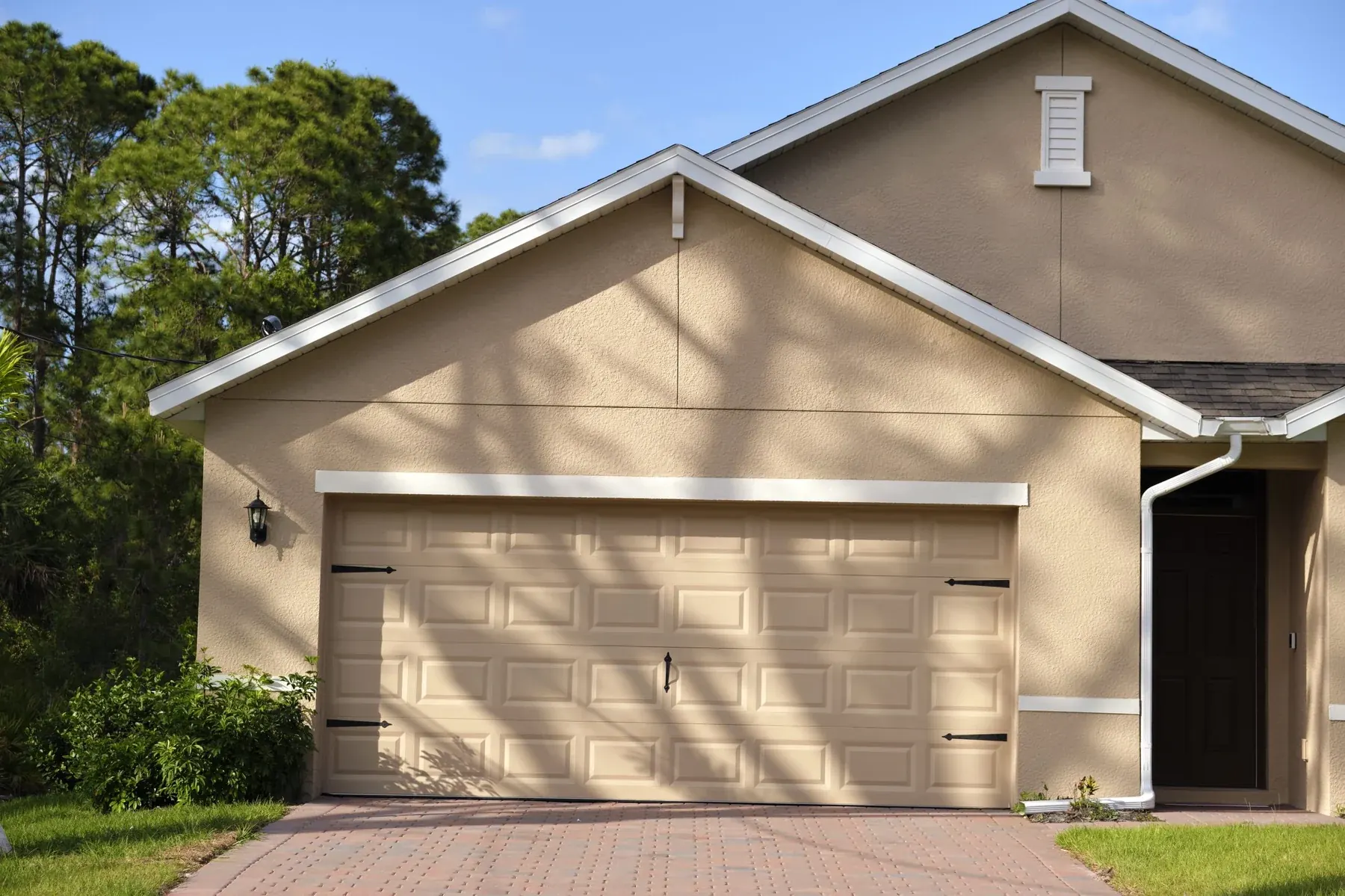
Confirming a true self-open versus a forgotten command
Before deep diagnosis, rule out simple human factors: a pocket remote being squeezed by bags, a vehicle HomeLink button bumped while loading groceries, or a family member testing the door from inside. True phantom opens happen with all remotes accounted for and no one nearby.
Note the time of day and whether the opener light comes on with the mystery cycle. Patterns after rain can implicate wet wiring; patterns when a certain car arrives may implicate that car’s transmitter.
If the door opens itself and will not reverse from sensors when something is in the path, stop using the system and schedule service, safety logic may be compromised.
Video doorbells aimed at the driveway sometimes capture the mystery open. A timestamped clip helps more than a vague “it happened again last week” when we recreate conditions on site.
Stuck buttons, lost remotes, and rolling-code hygiene
A remote with a stuck button can transmit continuously from a drawer or coat pocket. Remove batteries from all remotes temporarily; if phantom opens stop, one of those transmitters is guilty. Replace worn remotes rather than living with sticky buttons.
Prior owners sometimes leave programmed remotes that still work from a surprising distance. Clearing the opener’s memory and re-learning only your devices closes that hole.
Intermittent remotes and phantom opens can overlap when a failing transmitter spritzes signals, related reading: remote works intermittently.
Guest remotes kept in a kitchen junk drawer are frequent stuck-button sources. Remove batteries from seldom-used fobs or store them so buttons cannot stay depressed under mail and keys.
Wall-control circuits that close the command loop on their own
Damaged low-voltage wire behind drywall can short intermittently, mimicking a button press. Staples through bell wire and moisture in outdoor keypad lines are frequent SWFL culprits.
Disconnecting the wall control at the opener terminals (technician step) is a classic test: if phantom opens cease, the run or pad is at fault. See also wall button not working when the pad behaves oddly between phantom events.
Do not leave bare twisted wires as a long-term “repair.” Proper terminals and weatherproofing matter in humid garages.
New shelving, TVs, or EV charger conduit runs that cross the wall-control cable path deserve a hard look. Construction after a remodel is a classic trigger for phantom opens that “started for no reason.”
Boards, smart hubs, and keypad faults that issue ghost commands
Failing logic boards can trigger relays without a valid radio command. Surge events after lightning-rich afternoons sometimes precede the behavior. Smart home integrations with flaky automations are another modern cause, disable routines while testing.
Exterior keypads with shorted buttons may send open commands in rain. Dry the keypad, remove its battery if safe, and observe. Beeping keypads deserve their own checklist on keypad beeping.
We reprogram carefully after repairs so vacation homes in Sarasota County are not left with half-cleared memories.
If a smart assistant routine includes garage actions, disable automations during troubleshooting. Voice skills and geofencing have opened more than one door at 2 a.m. when a phone GPS glitched.
Securing the home while phantom opens are investigated
Until solved, consider unplugging the opener when you are away for long stretches if that fits your security plan, understanding you will need the release to move the door manually, and only if the door is balanced and safe to move by hand.
If springs are broken, do not rely on manual operation. Address balance issues first. Our safety guide covers habits that keep people clear of unexpected travel.
Never disable photo-eyes to “stop weird behavior.” Eyes are unrelated to most phantom-open causes and must stay active.
Vacation rentals should reprogram remotes between guests when prior renters may have kept a fob. Phantom opens after turnover are often “forgotten” transmitters, not haunted boards.
How Quick Springs tracks down doors that open alone
We inventory transmitters, clear and relearn remotes, test wall circuits, inspect keypads, and evaluate the logic board. Door balance and travel still get checked so mechanical faults are not missed in the radio hunt.
You receive a written estimate before parts replacement. transparent process, no scare tactics about “someone hacking your door” without evidence.
Call (954) 232-0054 or book now. Mention how often the phantom open occurs and whether remotes were recently lost or replaced.
If opens happen in bursts overnight, say so, we prioritize RF and keypad tests differently than a single midday event that coincided with a delivery truck idling outside.
Questions about this topic
Our Professional Service & Repair Standards
Garage door issues are much easier to diagnose when the entire door is evaluated as a unified system. Springs carry the counterbalance weight, cables and drums ensure level lifting, rollers and tracks guide smooth panel travel, and sensors and openers function reliably only when mechanical balance is restored. Quick Springs Garage Door Repair begins every service visit with a comprehensive inspection to ensure the true root cause is addressed.
Florida humidity, salt air, and afternoon storms change how hardware ages. Lubricant dries. Fasteners rust. Photo-eyes get dirty. A door that slams, reverses, or sits heavy is sending a mechanical signal, not a random glitch. We explain those signals in plain language before anyone approves parts.
When you request service, share the ZIP, whether the door is stuck open or closed, and any recent storm, power outage, or opener change. Gate codes and HOA notes help. We are licensed and insured, open 24 hours, and we provide a written estimate after diagnosis. Call (954) 232-0054 or use the request form.
Residential garage doors throughout Sarasota and surrounding communities often experience torsion spring failure over time. A loud bang accompanied by a door that will not lift manually signals a broken spring; never attempt to wind or replace springs without proper training and equipment. Commercial doors typically wear from heavy cycle volume, leading to flattened rollers, cable fray, and operator strain. In all cases, our technicians conduct complete post-repair safety testing including balance, travel limits, and auto-reverse functions.
Tune-ups catch dry rollers, loose track bolts, and early cable wear before they cause unexpected operational failures. Installation is discussed only when panels, rust-through, or repeated structural repairs make replacement the safer path. We do not invent awards or publish fake review counts. Our local shop is located at 2517 Sota St, Sarasota, FL 34240.
Opener motors that hum without lifting usually mean the door is too heavy because a spring lost tension. Replacing the opener first often wastes money. Off-track doors after impact need track, roller, and cable checks together. Sensor issues in bright sun are often alignment and dirt, not a new motor.
Property managers can list multiple openings on one request. Seasonal residents should mention months of idle time. After a storm, say whether the door still moves. Email [email protected] if you need to send photos of cables, springs, or the opener rail. Photos never replace an on-site look, but they help us plan.
Our service guides cover torsion spring repair, opener repair, off-track recovery, cable replacement, tune-ups, and installation. Our service-area guide lists the communities we support throughout Southwest Florida. If you would like to read public reviews, please visit our Google Maps profile linked in the footer.
During a visit we document findings, then you choose the work with zero high-pressure sales tactics. After approved repairs we test the door through full cycles. If a part is not on the truck, we explain timing clearly. We follow the same process across Sarasota County and nearby Southwest Florida communities.
Safety first: keep people and pets clear of a moving door. Do not place bricks on remotes. If the door is off track, stop using the opener. If a cable is hanging, leave the door down if it is already closed. These habits prevent extra panel damage while you wait for a technician.
Common questions from property owners include how long a service visit takes, whether we service specific brands, and how our written estimates work. Service duration depends on site access and the specific repair needed. We service all major residential and commercial overhead door systems. Transparent estimates are provided directly after diagnosis, taking into account door weight, cycle ratings, and local environmental wear.
Helpful resources: use our request form to schedule service, view our contact page for shop location and hours, read about our team, or browse our blog guides. An educational guide never replaces an on-site diagnosis when the door is unsafe or under tension.
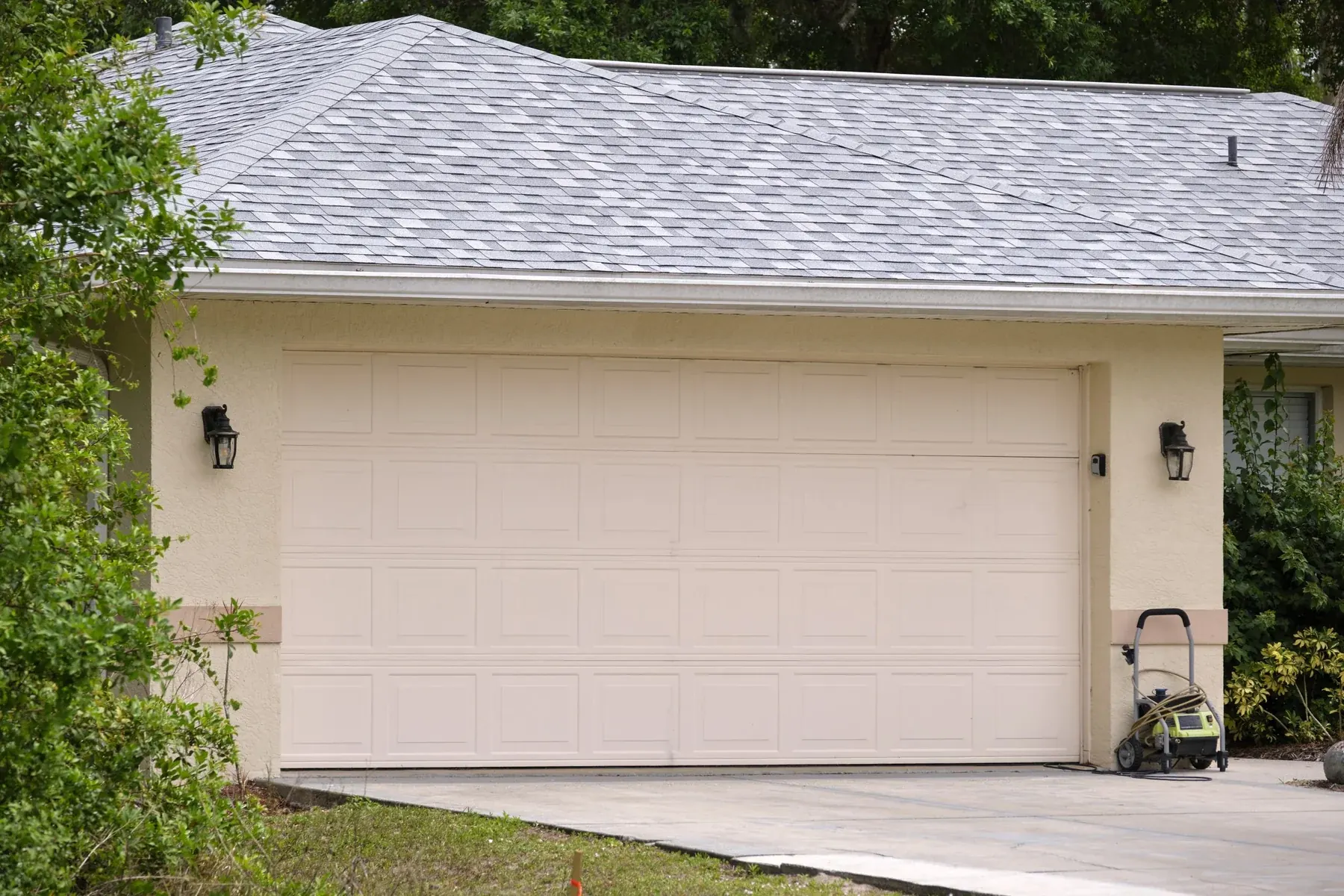
System checks on every visit
These six checks ensure every service visit addresses the underlying mechanics rather than just swapping individual parts.
Springs
Torsion springs lose cycles. A bang or a heavy door needs professional spring service, never DIY winding.
Cables
Frayed cables or a cable off the drum pull a door crooked. We inspect both sides with spring work.
Tracks
Impact and loose brackets bend tracks until the door binds. Forcing travel makes it worse.
Openers
Motors that hum without lifting often mean a balance problem, not only a failed gear.
Sensors
Misaligned photo-eyes reverse on close. We clean, align, and test after track work.
Maintenance
Tune-ups catch dry rollers and loose hardware before they become a stuck-door call.
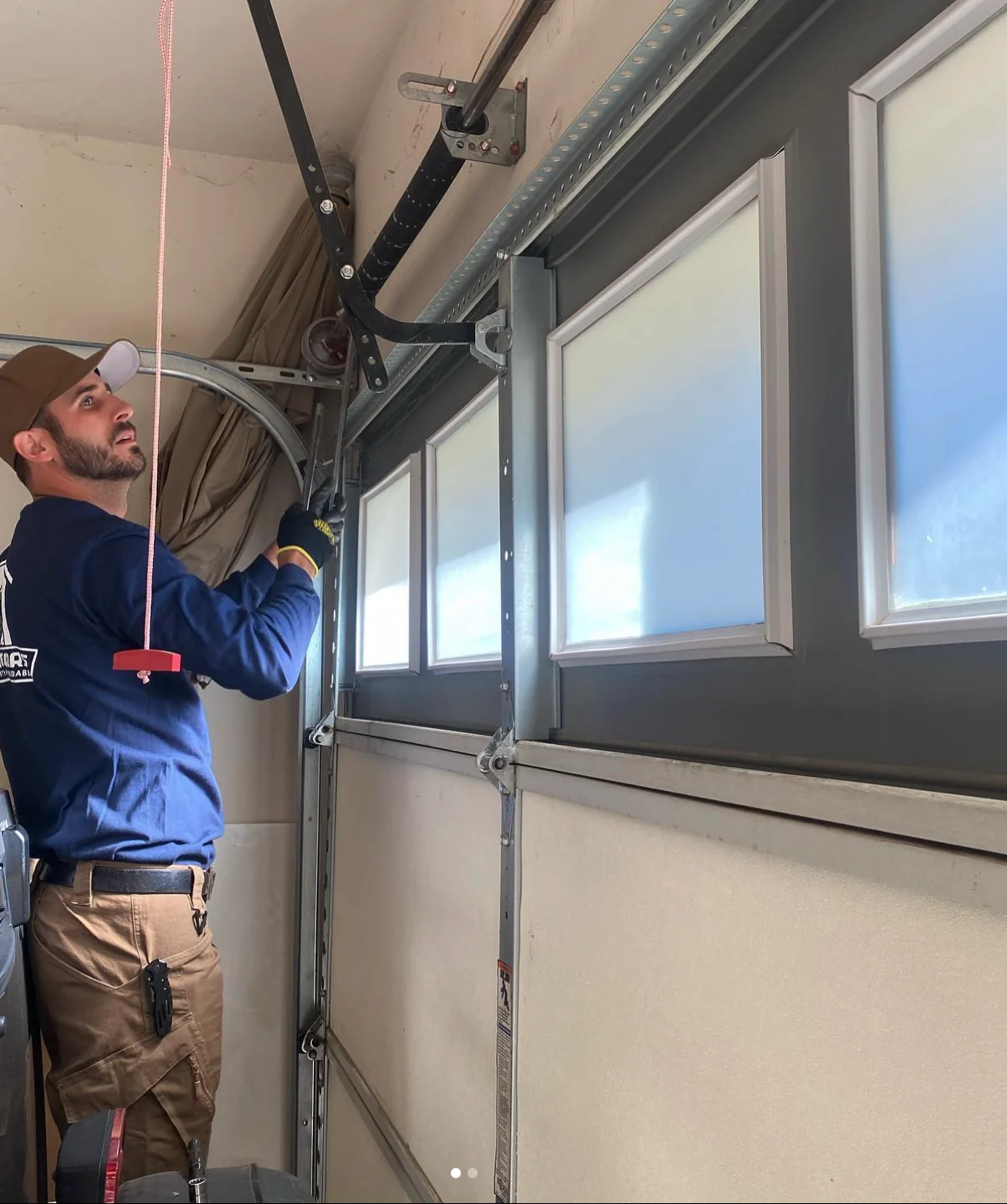
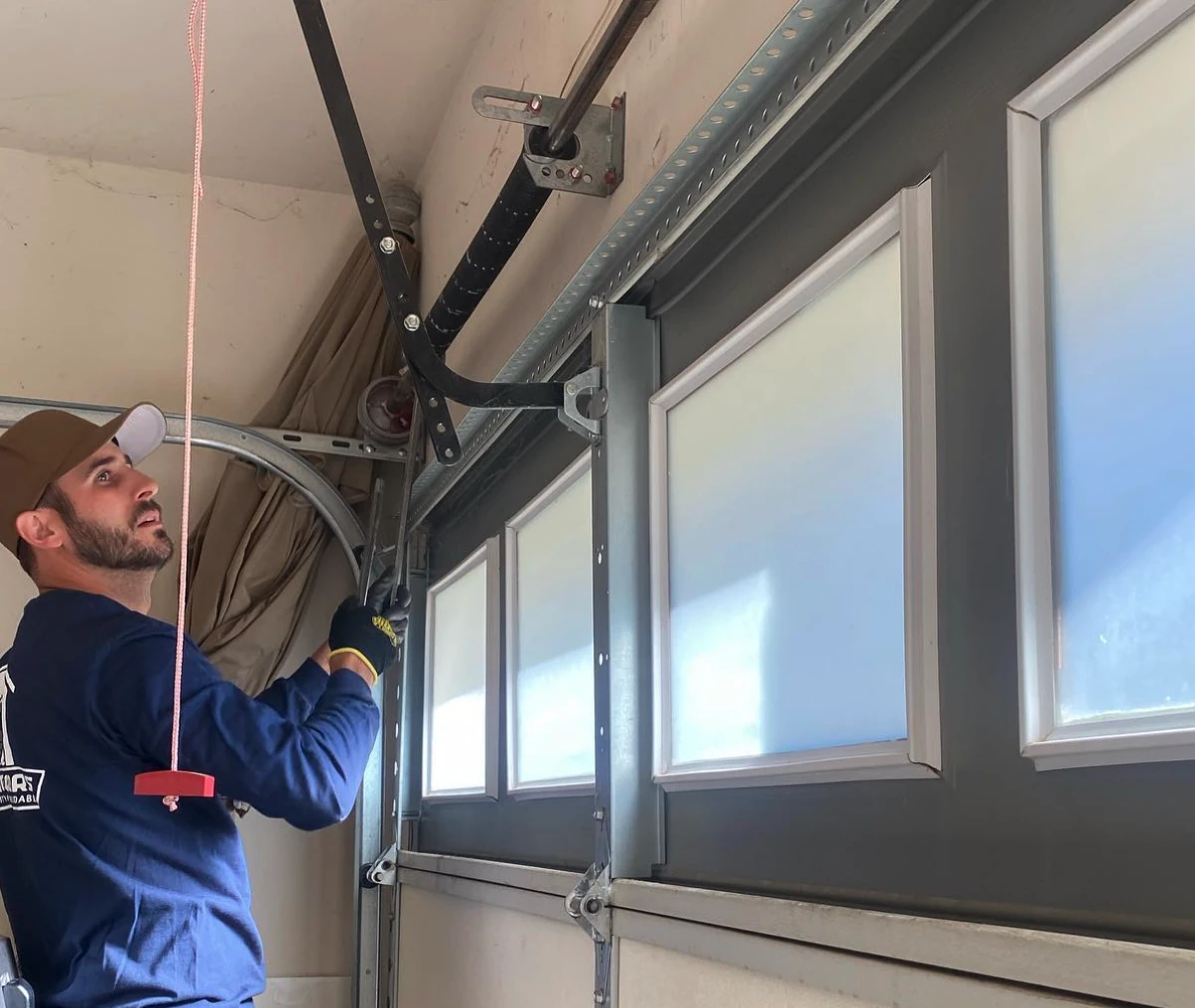
Photos from garage door work
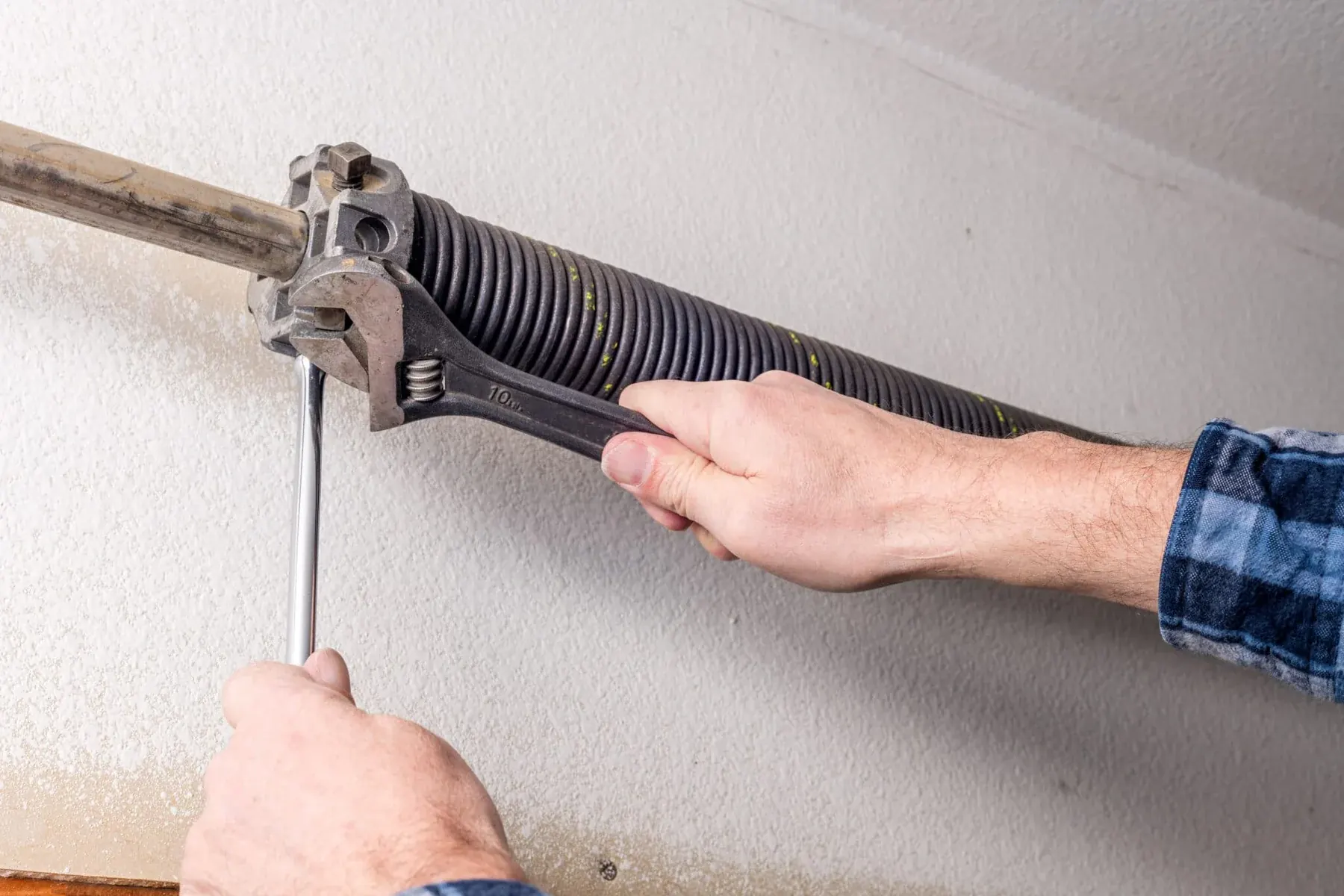
Representative service photos. Your door may need a different mix of springs, cables, tracks, or opener work after inspection.
What a service visit looks like
Request with ZIP
Call (954) 232-0054 or use the form. Mention symptoms and whether the door still moves.
Inspect the system
Springs, cables, drums, rollers, tracks, photo-eyes, and the opener are checked together.
Written estimate
You see findings and options before repair work begins. No pressure to guess parts over the phone.
Repair and test
Approved work is completed, then we test balance, travel, and auto-reverse.