
Garage Door Problems After a Power Outage
When the lights return after a Southwest Florida storm outage, garage doors sometimes refuse to close, forget travel limits, or stay stuck in manual mode from an emergency release pull. A calm checklist beats random button mashing.
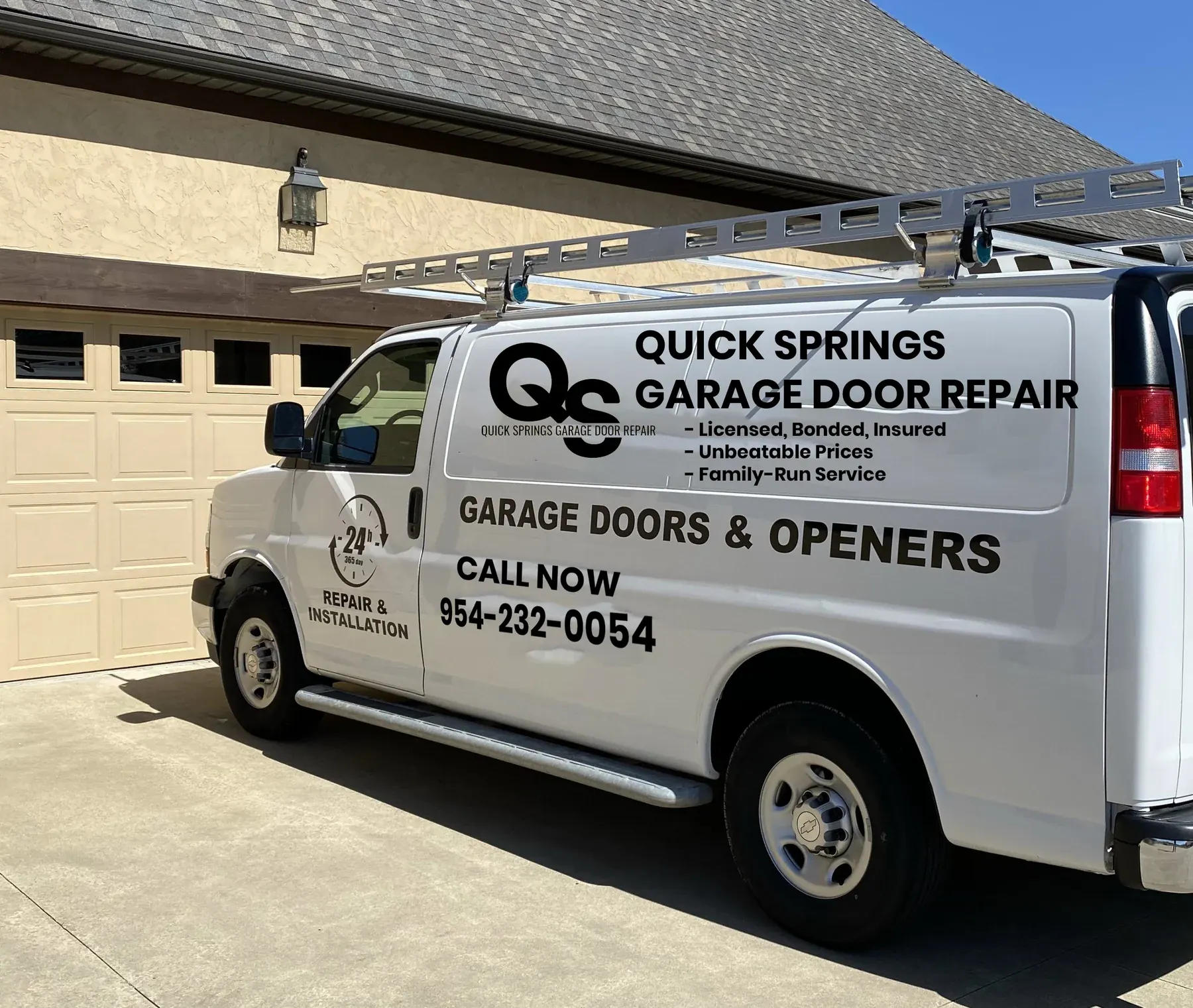
First checks when electricity returns to the opener
Confirm the outlet has power, GFCI receptacles in garages often trip during storms and leave the opener dark while house lights work. Reset the GFCI, then try the wall button before remotes.
Look at the opener lights and any diagnostic LEDs. Lock mode on the wall console, activated accidentally in the dark, will ignore remotes while the wall button still works, or vice versa depending on brand.
If you used the red release during the outage, the trolley may still be disconnected. That shows up as a motor that runs without moving the door, see motor runs, door doesn’t move and manual release help.
Travel limits and logic boards that wake up confused
Some openers lose limit memory during hard power hits or surges. The door may stop short, try to travel too far, or reverse unexpectedly. Reprogramming limits is model-specific; forcing travel against a physical stop damages gears.
Surge damage can also take out logic boards or capacitors partially, opener lights work, travel does not. That becomes an opener repair diagnosis. A faint ozone smell near the opener after lightning-adjacent events is worth mentioning when you call.
Battery-backup units may need time to recharge; behavior can differ until the backup returns to ready status. Some units chirp until the battery recovers, different from keypad beeps outdoors.
Photo eyes after storms, debris, and misalignment
Wind can nudge sensor brackets. Flooding can wet plugs. Leaves blow into the beam path. Blinking lights after outages are common, guide: sensor blinking lights.
Clean lenses and check that both eyes face each other on the same plane. Do not bypass sensors to “just get the car out” as a permanent plan. Temporary supervised close methods in your manual may help once; wiring sensors out is never the answer.
If water entered the opener housing, unplug it and schedule service rather than repeated power cycles. Standing water near the motor is a hard stop for DIY troubleshooting.
Reconnecting after emergency manual operation
During outages many owners pull the release to lift the door by hand. Reconnecting usually means aligning the carriage and running the opener until it engages, or manually snapping the release lever back per the manual.
Only reconnect if the door is balanced and level. A heavy door after a possible spring issue should not be forced back onto the opener. If the door slammed or shot up when disconnected, leave it and call for help.
Teach household members the reconnect steps before hurricane season so midnight confusion is lower. Keep a flashlight near the release path; phone lights help, but hands-free light is better when you need both hands on the door.
When outages hide surge damage to openers
Lightning-adjacent surges fry receivers, logic boards, and wall controls in ways that appear days later. Intermittent operation after a storm week is a clue. Whole-house surge protection helps but is not a promise of zero opener damage.
We test outlets, boards, and accessories methodically. Soft estimate conversations include repair versus replacement when boards are obsolete. Remotes may need fresh batteries after sitting unused in cars during multi-day outages, simple but often overlooked.
Wall consoles that went through a surge can stick in lock mode and look like a dead radio system. Checking lock status before replacing remotes saves time and parts.
Post-outage service with Quick Springs Garage
If basic resets fail, call (954) 232-0054 or book now. Tell us whether the door is stuck open, stuck closed, or running oddly. Licensed, insured, open 24 hours for Sarasota and nearby Southwest Florida communities.
Storm weeks run busy; function and safety issues get clear priority language without fake scarcity marketing. Share whether you used the manual release and whether the GFCI was tripped when power returned.
After repairs we verify travel limits, sensor response, and auto-reverse so the next squall is less dramatic. Soft CTA only: you approve the written estimate before parts go in.
Questions about this topic
How we approach Garage Door Problems After a Power Outage
Garage Door Problems After a Power Outage is easier to diagnose when the whole door is treated as one system. Springs carry the weight. Cables and drums keep travel even. Rollers and tracks guide the panel. Sensors and the opener only work well after the door is balanced. Quick Springs Garage Door Repair starts with that full inspection in garage door after power outage work so the first repair is the right one.
Florida humidity, salt air, and afternoon storms change how hardware ages. Lubricant dries. Fasteners rust. Photo-eyes get dirty. A door that slams, reverses, or sits heavy is sending a mechanical signal, not a random glitch. We explain those signals in plain language before anyone approves parts.
When you request service, share the ZIP, whether the door is stuck open or closed, and any recent storm, power outage, or opener change. Gate codes and HOA notes help. We are licensed and insured, open 24 hours, and we provide a written estimate after diagnosis. Call (954) 232-0054 or use the request form.
Residential doors around garage door after power outage often fail at torsion springs first. A loud bang and a door that will not lift by hand is a spring event. Do not try to wind springs. Commercial bays fail from cycle count: rollers flatten, cables fray, and operators strain. Both get the same safety tests before we leave: balance, travel, and auto-reverse.
Tune-ups catch dry rollers, loose track bolts, and early cable wear before they become emergency calls. Installation is discussed only when panels, rust-through, or repeated structural repairs make replacement the safer path. We do not invent awards or publish fake review counts. Shop NAP remains 2517 Sota St, Sarasota, FL 34240.
Opener motors that hum without lifting usually mean the door is too heavy because a spring lost tension. Replacing the opener first often wastes money. Off-track doors after impact need track, roller, and cable checks together. Sensor issues in bright sun are often alignment and dirt, not a new motor.
Property managers can list multiple openings on one request. Seasonal residents should mention months of idle time. After a storm, say whether the door still moves. Email [email protected] if you need to send photos of cables, springs, or the opener rail. Photos never replace an on-site look, but they help us plan.
Related reading on this site includes torsion spring repair, opener repair, off-track recovery, cable replacement, tune-ups, and installation. Each service page explains scope. The service-area hub lists cities. Gallery photos show representative outcomes, not staged claims. If you want public reviews, use the Google Maps listing linked in the footer.
During a visit we document findings, then you choose the work. Soft recommendations only. After approved repairs we test the door through full cycles. If a part is not on the truck, we explain timing instead of guessing. Same process for Sarasota County and nearby Southwest Florida communities.
Safety first: keep people and pets clear of a moving door. Do not place bricks on remotes. If the door is off track, stop using the opener. If a cable is hanging, leave the door down if it is already closed. These habits prevent extra panel damage while you wait for a technician.
Garage Door Problems After a Power Outage questions we hear often include how long a visit takes, whether we work on the brand you already have, and how written estimates work. Visit length depends on access and what failed. We work on most major residential and commercial overhead systems. Estimates follow diagnosis, because door weight and hardware vary even on the same street.
Internal links worth using after this page: /book-now for the request form, /contact for NAP and hours, /about for who we are, /gallery for photos, and /blog for symptom guides. None of those pages replace a hands-on inspection. They help you describe the problem clearly so the visit starts faster.
System checks on every visit
These six checks keep Garage Door Problems After a Power Outage from turning into a parts swap that misses the real load on the door.
Springs
Torsion springs lose cycles. A bang or a heavy door needs professional spring service, never DIY winding.
Cables
Frayed cables or a cable off the drum pull a door crooked. We inspect both sides with spring work.
Tracks
Impact and loose brackets bend tracks until the door binds. Forcing travel makes it worse.
Openers
Motors that hum without lifting often mean a balance problem, not only a failed gear.
Sensors
Misaligned photo-eyes reverse on close. We clean, align, and test after track work.
Maintenance
Tune-ups catch dry rollers and loose hardware before they become a stuck-door call.
Photos from garage door work
Representative service photos. Your door may need a different mix of springs, cables, tracks, or opener work after inspection.


What a service visit looks like
Request with ZIP
Call (954) 232-0054 or use the form. Mention symptoms and whether the door still moves.
Inspect the system
Springs, cables, drums, rollers, tracks, photo-eyes, and the opener are checked together.
Written estimate
You see findings and options before repair work begins. No pressure to guess parts over the phone.
Repair and test
Approved work is completed, then we test balance, travel, and auto-reverse.