
Garage Door Slow to Open
A door that used to snap up crisply and now creeps toward the ceiling is losing spring assist, fighting dry hardware, or running on opener settings that no longer match the door. Slow travel is a symptom worth reading before the opener burns out.
Gradual slowdown versus a sudden crawl
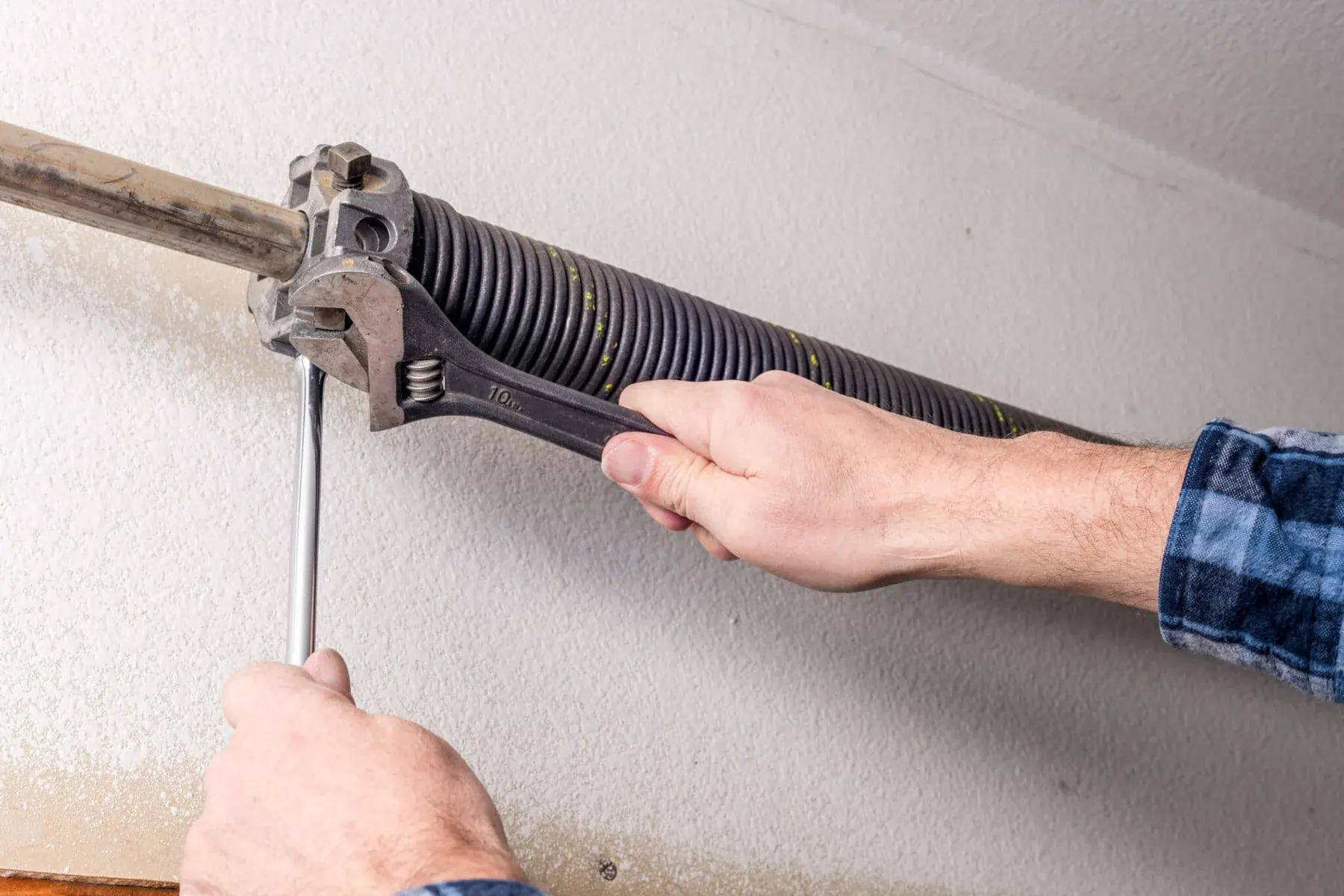
Gradual slowing over months often tracks spring fatigue and thickening friction from dried rollers. A sudden crawl after a bang suggests a spring break, with the opener dragging weight it should never lift alone.
Time a full open cycle. Note whether slowdown is worse for the first few feet (spring lift zone) or near the top (opener and horizontal track friction).
If the door is crooked while slow, stop. Uneven cables need professional correction, not more remote presses.
Weak torsion springs and why openers start sounding strained
Springs counterbalance the door. As they weaken, the opener carries more load, travel slows, and motors heat. Florida’s cycle counts and corrosion shorten spring life, see torsion spring lifespan in Florida.
Never try to add turns to a live spring yourself. Incorrect winding is a leading cause of serious injury. Torsion spring repair belongs to trained technicians with proper bars.
After professional spring replacement, openers often sound healthier and travel returns to a normal pace without changing electronics.
Dry rollers, bent tracks, and weather seal drag
Sticky rollers and unlubricated hinges steal speed quietly. Bottom seals that glue themselves to hot sills add a sticky breakaway on the first inches of travel. Tracks pinched too tight squeeze rollers.
A thorough tune-up restores lubrication and hardware torque. If tracks are bent, repair comes before expecting normal speed.
Sand from SWFL driveways inside tracks acts like brake dust, cleaning during service matters as much as spraying lube.
Force, speed profiles, and soft-start units that feel “slow”
Some modern openers use soft-start and soft-stop profiles that look slower than old bang-bang chain drives even when healthy. That is design, not failure. True faults include failing capacitors, voltage issues, and gear drag, see opener repair.
Force settings cranked too low make the opener timid on a slightly sticky door. Raising force to mask broken springs is unsafe; we correct balance first. A door that opens slowly and smells hot at the motor is asking for a balance check, not another remote press.
Battery-backup modes sometimes run reduced speed during brownouts, mention recent outages when you call. Screw-drive units can also feel slower when the rail lacks lubrication or the trolley bind points increase mid-travel.
Afternoon slowdowns in hot Sarasota garages
Metal expands, lubricant thins then cooks away, and opener electronics derate in extreme heat. A door that is fine at 8 a.m. and sluggish at 3 p.m. may need both mechanical service and ventilation awareness, not only a new opener sold on the spot.
Attic-mounted motors on older rails run even hotter. We discuss heat as a real local factor without inventing scare stories. Homes with tight garages and dark roofs in Venice or North Port often show this afternoon pattern first.
Coastal corrosion adds drag on bearings that inland doors may not see as soon, another reason slow travel shows up on island and barrier-adjacent homes. Salt film on rollers acts like invisible brakes until cleaned and serviced.
Scheduling a slow-door diagnosis
Call (954) 232-0054 or book now. Tell us whether slowing was gradual or sudden and whether you heard a bang. next step, we inspect, estimate in writing, then repair what you approve.
Quick Springs Garage Door Repair is licensed, insured, and open 24 hours for Sarasota and surrounding Southwest Florida communities. A short phone video of the open cycle helps us hear strain versus quiet friction before we arrive.
Post-repair testing includes balance checks and timed travel so you can feel the difference safely. If springs, rollers, and opener settings all needed attention, we explain how each piece contributed instead of blaming a single part by default.
Questions about this topic
Our Professional Service & Repair Standards
During a visit we document findings, then you choose the work with zero high-pressure sales tactics. After approved repairs we test the door through full cycles. If a part is not on the truck, we explain timing clearly. We follow the same process across Sarasota County and nearby Southwest Florida communities.
Safety first: keep people and pets clear of a moving door. Do not place bricks on remotes. If the door is off track, stop using the opener. If a cable is hanging, leave the door down if it is already closed. These habits prevent extra panel damage while you wait for a technician.
Common questions from property owners include how long a service visit takes, whether we service specific brands, and how our written estimates work. Service duration depends on site access and the specific repair needed. We service all major residential and commercial overhead door systems. Transparent estimates are provided directly after diagnosis, taking into account door weight, cycle ratings, and local environmental wear.
Helpful resources: use our request form to schedule service, view our contact page for shop location and hours, read about our team, or browse our blog guides. An educational guide never replaces an on-site diagnosis when the door is unsafe or under tension.
Garage door issues are much easier to diagnose when the entire door is evaluated as a unified system. Springs carry the counterbalance weight, cables and drums ensure level lifting, rollers and tracks guide smooth panel travel, and sensors and openers function reliably only when mechanical balance is restored. Quick Springs Garage Door Repair begins every service visit with a comprehensive inspection to ensure the true root cause is addressed.
Florida humidity, salt air, and afternoon storms change how hardware ages. Lubricant dries. Fasteners rust. Photo-eyes get dirty. A door that slams, reverses, or sits heavy is sending a mechanical signal, not a random glitch. We explain those signals in plain language before anyone approves parts.
When you request service, share the ZIP, whether the door is stuck open or closed, and any recent storm, power outage, or opener change. Gate codes and HOA notes help. We are licensed and insured, open 24 hours, and we provide a written estimate after diagnosis. Call (954) 232-0054 or use the request form.
Residential garage doors throughout Sarasota and surrounding communities often experience torsion spring failure over time. A loud bang accompanied by a door that will not lift manually signals a broken spring; never attempt to wind or replace springs without proper training and equipment. Commercial doors typically wear from heavy cycle volume, leading to flattened rollers, cable fray, and operator strain. In all cases, our technicians conduct complete post-repair safety testing including balance, travel limits, and auto-reverse functions.
Tune-ups catch dry rollers, loose track bolts, and early cable wear before they cause unexpected operational failures. Installation is discussed only when panels, rust-through, or repeated structural repairs make replacement the safer path. We do not invent awards or publish fake review counts. Our local shop is located at 2517 Sota St, Sarasota, FL 34240.
Opener motors that hum without lifting usually mean the door is too heavy because a spring lost tension. Replacing the opener first often wastes money. Off-track doors after impact need track, roller, and cable checks together. Sensor issues in bright sun are often alignment and dirt, not a new motor.
Property managers can list multiple openings on one request. Seasonal residents should mention months of idle time. After a storm, say whether the door still moves. Email [email protected] if you need to send photos of cables, springs, or the opener rail. Photos never replace an on-site look, but they help us plan.
Our service guides cover torsion spring repair, opener repair, off-track recovery, cable replacement, tune-ups, and installation. Our service-area guide lists the communities we support throughout Southwest Florida. If you would like to read public reviews, please visit our Google Maps profile linked in the footer.
System checks on every visit
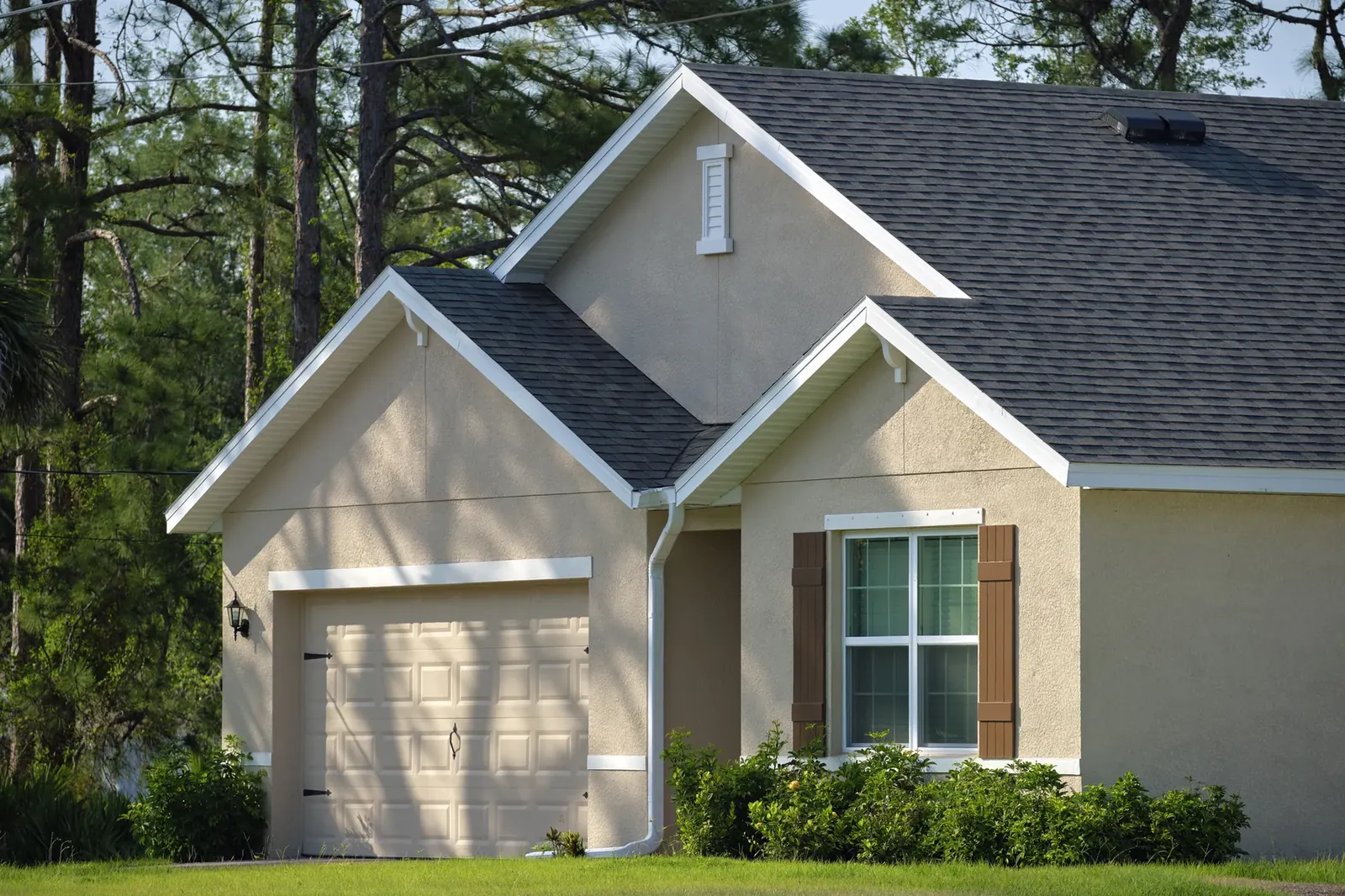
These six checks ensure every service visit addresses the underlying mechanics rather than just swapping individual parts.
Springs
Torsion springs lose cycles. A bang or a heavy door needs professional spring service, never DIY winding.
Cables
Frayed cables or a cable off the drum pull a door crooked. We inspect both sides with spring work.
Tracks
Impact and loose brackets bend tracks until the door binds. Forcing travel makes it worse.
Openers
Motors that hum without lifting often mean a balance problem, not only a failed gear.
Sensors
Misaligned photo-eyes reverse on close. We clean, align, and test after track work.
Maintenance
Tune-ups catch dry rollers and loose hardware before they become a stuck-door call.
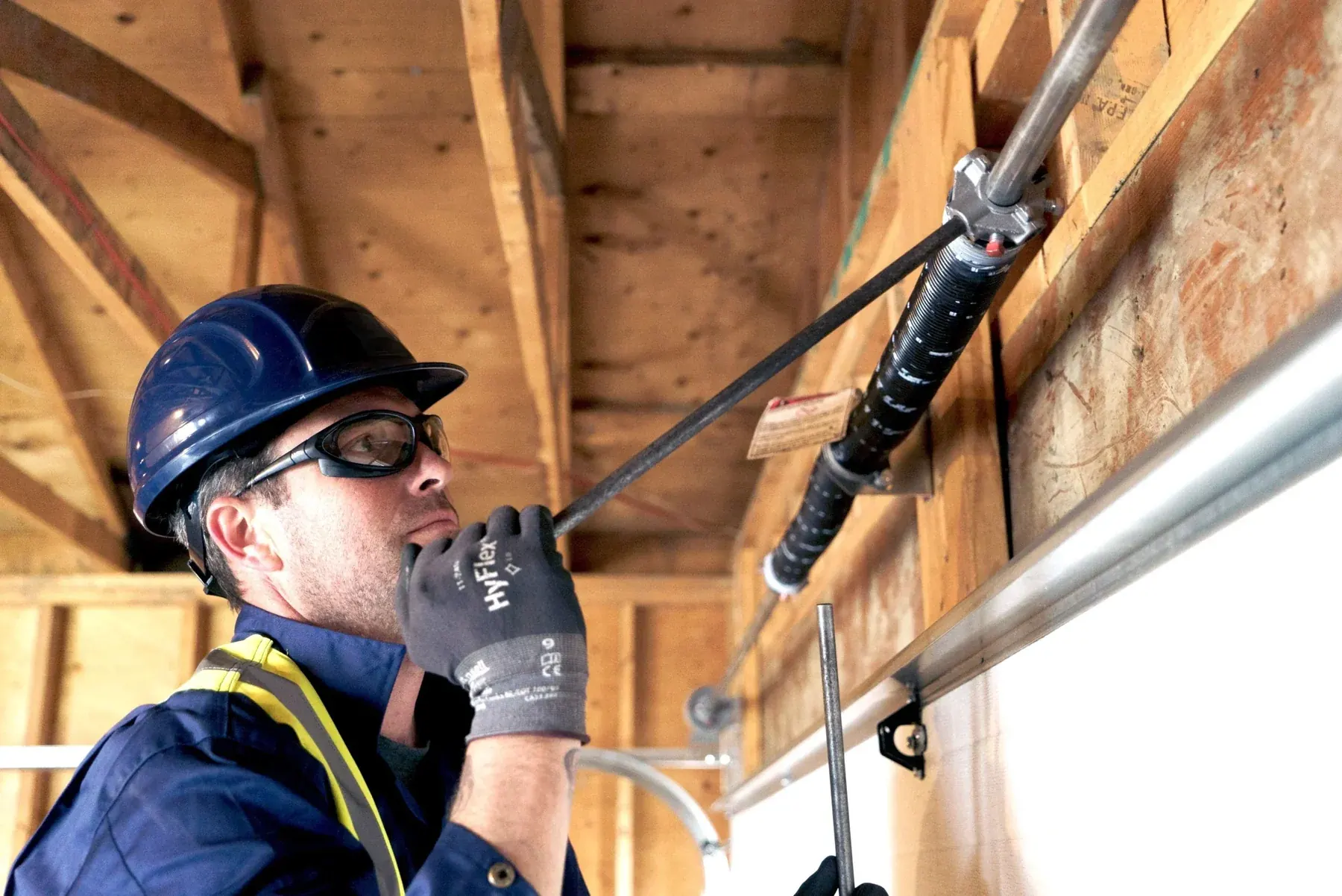
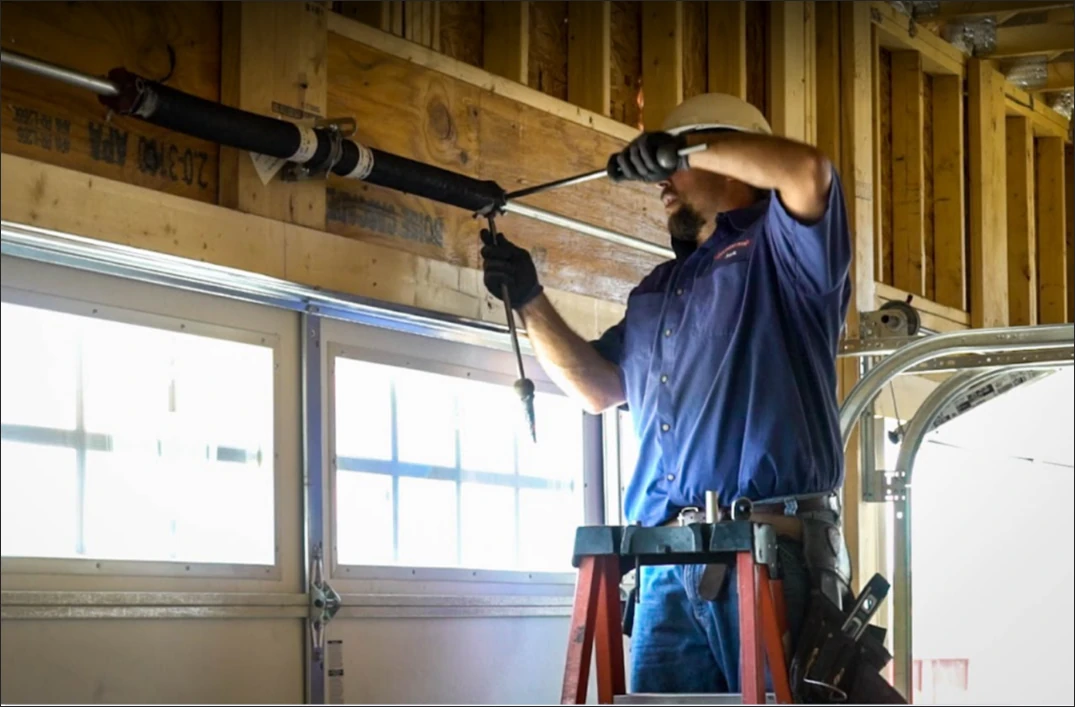
Photos from garage door work
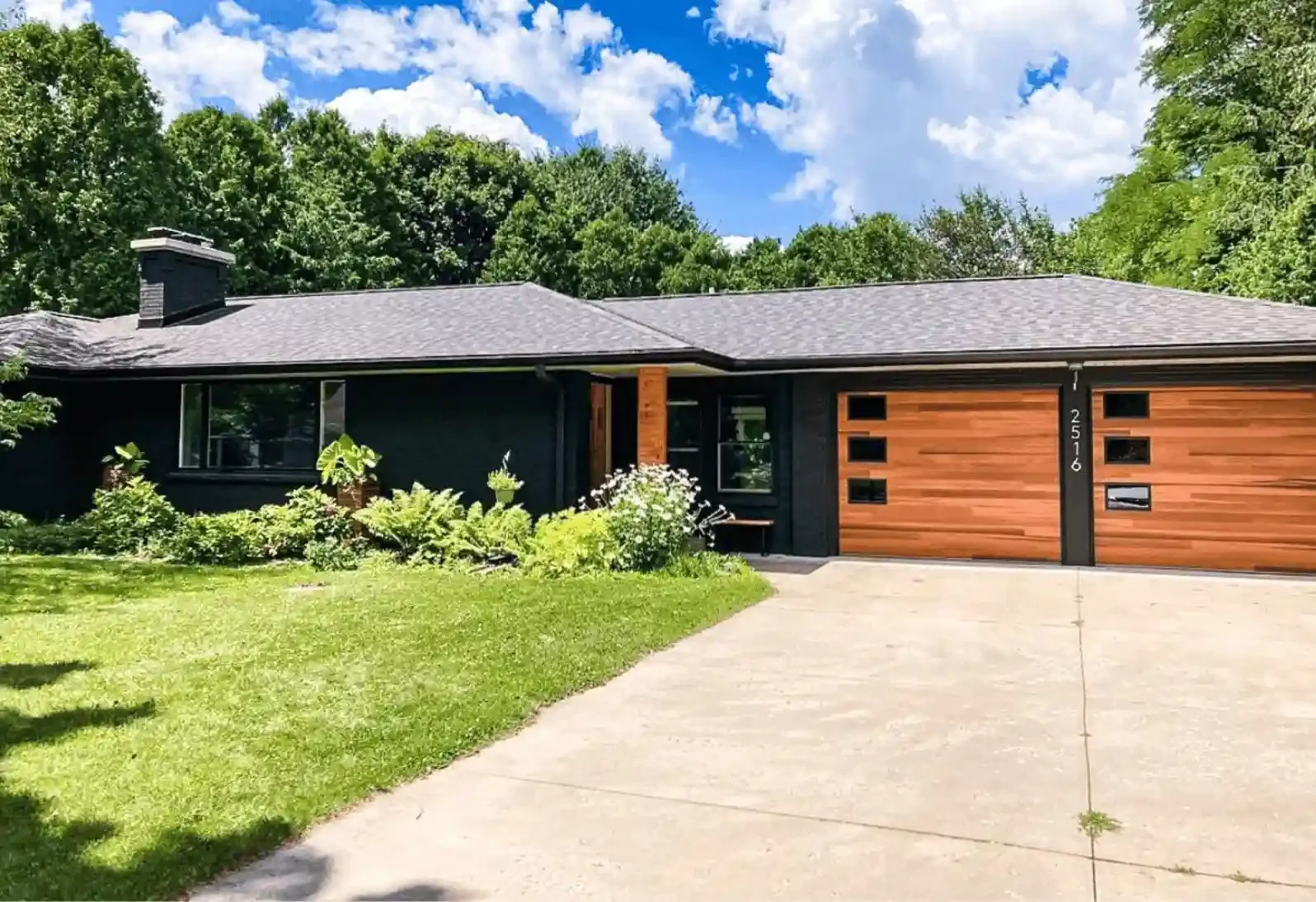
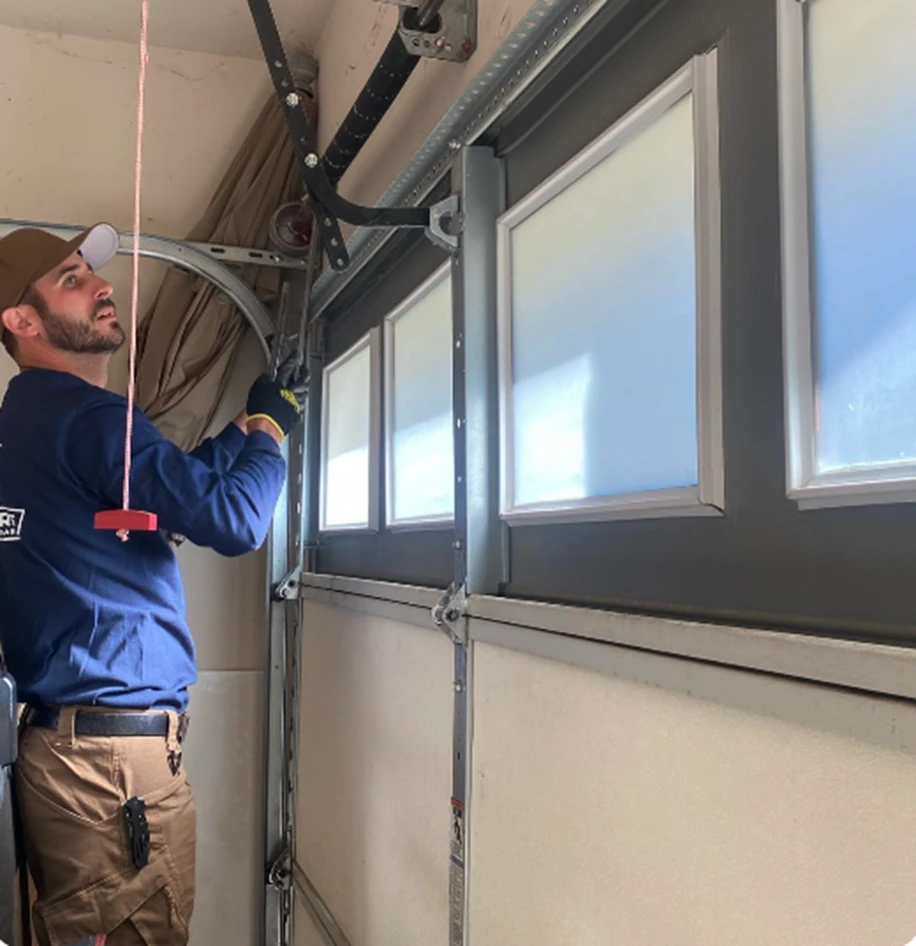
Representative service photos. Your door may need a different mix of springs, cables, tracks, or opener work after inspection.
What a service visit looks like
Request with ZIP
Call (954) 232-0054 or use the form. Mention symptoms and whether the door still moves.
Inspect the system
Springs, cables, drums, rollers, tracks, photo-eyes, and the opener are checked together.
Written estimate
You see findings and options before repair work begins. No pressure to guess parts over the phone.
Repair and test
Approved work is completed, then we test balance, travel, and auto-reverse.