
Mastering the Manual Garage Door Release
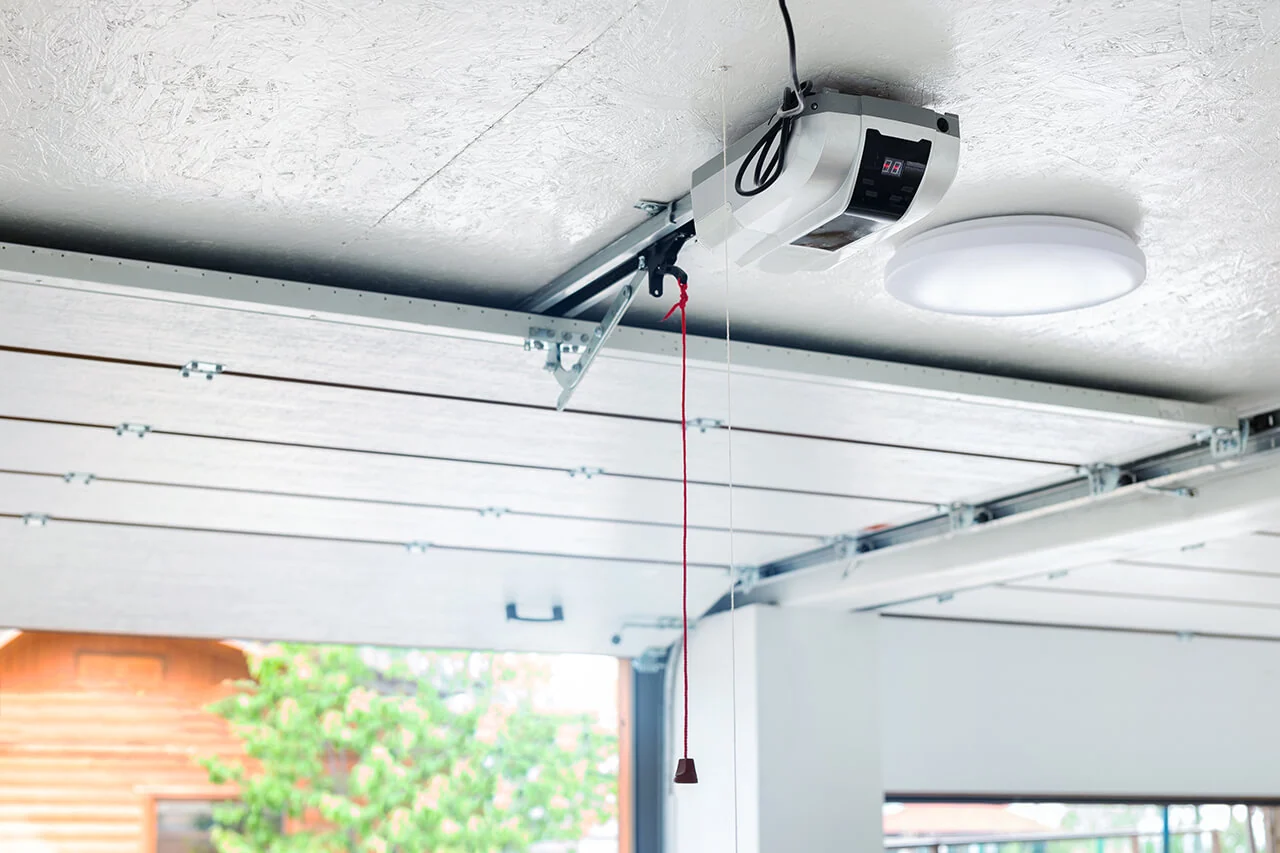
The manual release, usually a red cord hanging from the opener trolley, disconnects the door from the motor so you can move it by hand during a power outage or opener failure. Used correctly, it restores access temporarily. Used incorrectly on an unbalanced or broken-spring door, it can be dangerous.
Quick Springs Garage Door Repair helps Sarasota homeowners use releases safely and repairs the underlying mechanical or electrical problems afterward.
What the release actually does
Pulling the release handle moves a lever that separates the trolley from the opener carriage. The door then operates on its spring balance alone.
Re-engagement typically requires pulling the cord toward the motor with the door closed or following manufacturer steps so the trolley snaps back under spring tension.
Releases do not fix broken springs, they only bypass the motor connection.
Finding the cord and preparing the area
Look for a red handle or rope from the rail near the opener motor. Clear vehicles and people from the door path before disengaging.
Ensure the door is fully closed when possible before pulling the release on a balanced door. An open door with failed springs can fall abruptly when disengaged.
Lock the entry door to the house if the garage cannot secure after an outage.
Step-by-step with balance in mind
If power is out and the door is closed on a normally functioning door, pull the release firmly and lift manually with two adults if the door is wide or heavy.
If the door feels unusually heavy, stop, springs may be broken. Do not continue manual lifting.
Never use tools to pry the release if stuck; call for service to avoid damaging the trolley or injuring yourself.
Returning to automatic operation
With the door closed, pull the release toward the opener or operate the wall button once so the trolley reconnects, follow your opener manual exactly.
Run a full test cycle watching for binding or sensor errors after reconnection.
If the trolley will not re-engage, the opener may need adjustment or repair rather than force.
Why you needed the release
Power outages are temporary; broken springs, stripped gears, or jammed tracks require repair before normal use resumes.
Frequent reliance on manual mode signals balance or opener problems worth professional inspection.
See opener repair and spring repair service pages for scope details.
Teaching safe habits
Show adult household members where the release is and when not to use it.
Keep flashlights in the garage for outage conditions.
Post Quick Springs contact (954) 232-0054 near the opener for unexpected hardware failures.
How Southwest Florida conditions affect your door
Southwest Florida garages face heat, humidity, salt air near the coast, and storm debris that accelerate wear on springs, cables, and fasteners. Lubricants dry sooner than in cooler climates, and corrosion can shorten spring cycle life.
Quick Springs Garage serves Sarasota as our primary focus and supports nearby communities including Bradenton, Lakewood Ranch, Venice, North Port, Port Charlotte, Nokomis, and Punta Gorda. Coastal homeowners in areas such as Englewood often experience accelerated hardware wear; regional service helps match parts and maintenance intervals to local exposure.
Seasonal inspection, especially before and after storm season, helps catch fraying cables, noisy rollers, and balance drift before a door fails completely. A professional garage door tune-up complements the habits described in this guide.
Situations that need trained garage door technicians
Stop operating the door if you hear a loud bang, see a gap in a torsion spring, notice a cable off the drum, or the door hangs crooked. These are high-tension or alignment problems that require proper tools and training.
Do not attempt to wind torsion springs, adjust cables under load, or force an off-track door back into place. DIY work on tensioned parts can cause serious injury and often damages tracks, drums, or panels further.
Quick Springs Garage provides written estimates after on-site diagnosis. Call (954) 232-0054 or submit a request through Book Now. We are available by phone every day at {ADDRESS}.
Call before using the release if you suspect broken springs, off-track rollers, or a door stuck open in wind. Quick Springs Garage is available by phone every day.
What technicians look for during inspection
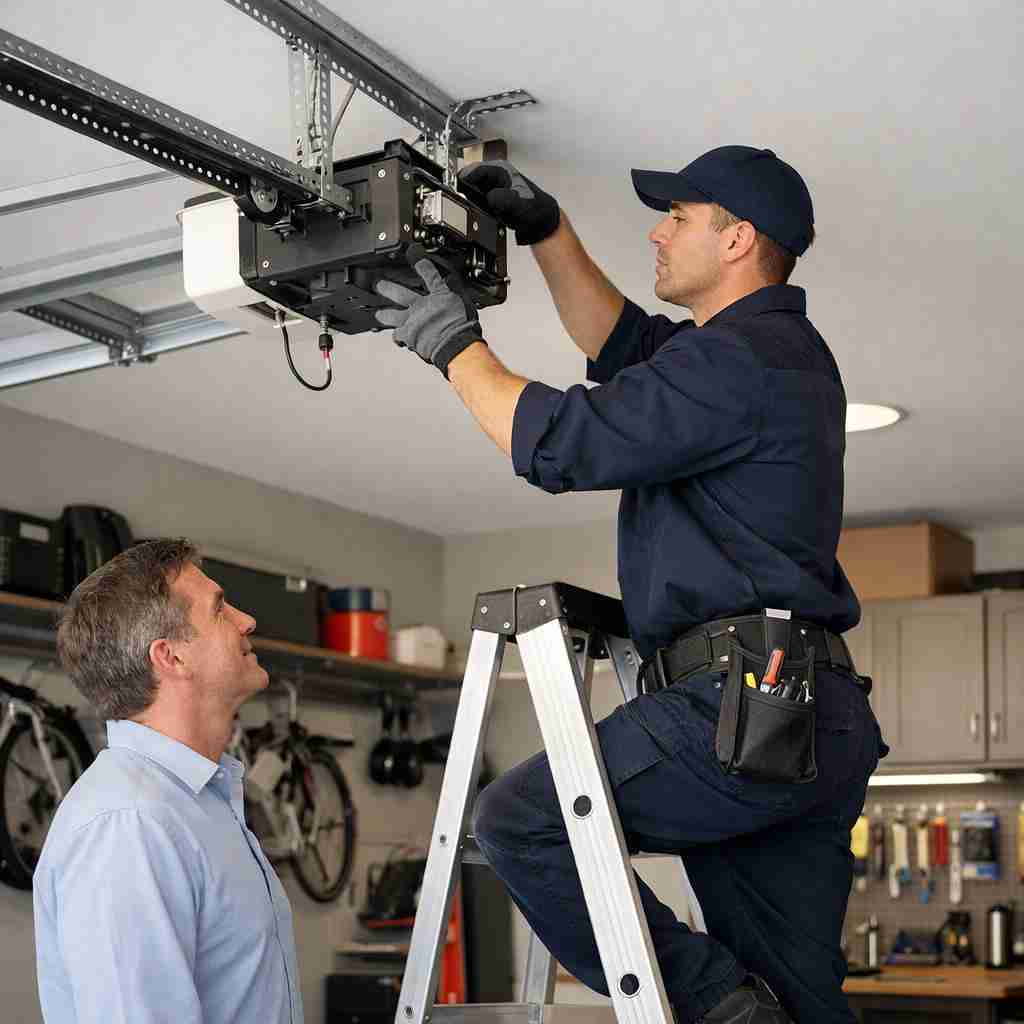
Quick Springs Garage Door Repair treats every visit as a system check, springs, cables, drums, rollers, tracks, sensors, and the opener. That approach helps Sarasota County homeowners understand root cause instead of guessing at a single part.
We are licensed and insured, family-run, and available by phone every day. Call (954) 232-0054, email [email protected], or use our online service request.
When you need hands-on help
Explore our related garage door services below. Every service visit includes an on-site inspection, a written estimate before work begins, and complete safety testing.
More garage door guides
Common questions about this topic
Our Professional Service & Repair Standards
Regular garage door maintenance and timely mechanical inspections prevent small hardware issues from escalating into hazardous, costly failures. By checking counterbalance spring tension, lubricating hinge pivot points, and testing safety reversal systems annually, property owners enjoy reliable, quiet door operation. Quick Springs Garage Door Repair provides transparent written estimates and thorough safety checks across Sarasota County.
Tune-ups catch dry rollers, loose track bolts, and early cable wear before they cause unexpected operational failures. Installation is discussed only when panels, rust-through, or repeated structural repairs make replacement the safer path. Our local shop is located at 2517 Sota St, Sarasota, FL 34240.
Opener motors that hum without lifting usually mean the door is too heavy because a spring lost tension. Replacing the opener first often wastes money. Off-track doors after impact need track, roller, and cable checks together. Sensor issues in bright sun are often alignment and dirt, not a new motor.
Property managers can list multiple openings on one request. Seasonal residents should mention months of idle time. After a storm, say whether the door still moves. Email [email protected] if you need to send photos of cables, springs, or the opener rail. Photos never replace an on-site look, but they help us plan.
Our service guides cover torsion spring repair, opener repair, off-track recovery, cable replacement, tune-ups, and installation. Our service-area guide lists the communities we support throughout Southwest Florida. If you would like to read public reviews, please visit our Google Maps profile linked in the footer.
During a visit we document findings, then you choose the work with zero high-pressure sales tactics. After approved repairs we test the door through full cycles. If a part is not on the truck, we explain timing clearly. We follow the same process across Sarasota County and nearby Southwest Florida communities.
Safety first: keep people and pets clear of a moving door. Never continuously force or cycle a struggling opener. If the door is off track, stop using the opener. If a cable is hanging, leave the door down if it is already closed. These habits prevent extra panel damage while you wait for a technician.
Common questions from property owners include how long a service visit takes, whether we service specific brands, and how our written estimates work. Service duration depends on site access and the specific repair needed. We service all major residential and commercial overhead door systems. Transparent estimates are provided directly after diagnosis, taking into account door weight, cycle ratings, and local environmental wear.
Helpful resources: use our request form to schedule service, view our contact page for shop location and hours, read about our team, or browse our blog guides. An educational guide never replaces an on-site diagnosis when the door is unsafe or under tension.
Garage door issues are much easier to diagnose when the entire door is evaluated as a unified system. Springs carry the counterbalance weight, cables and drums ensure level lifting, rollers and tracks guide smooth panel travel, and sensors and openers function reliably only when mechanical balance is restored. Quick Springs Garage Door Repair begins every service visit with a comprehensive inspection to ensure the true root cause is addressed.
Florida humidity, salt air, and afternoon storms change how hardware ages. Lubricant dries. Fasteners rust. Photo-eyes get dirty. A door that slams, reverses, or sits heavy is sending a mechanical signal, not a random glitch. We explain those signals in plain language before anyone approves parts.
When you request service, share the ZIP, whether the door is stuck open or closed, and any recent storm, power outage, or opener change. Gate codes and HOA notes help. We are licensed and insured, available by phone every day, and we provide a written estimate after diagnosis. Call (954) 232-0054 or use the request form.
System checks on every visit
These six checks ensure every service visit addresses the underlying mechanics rather than just swapping individual parts.
Springs
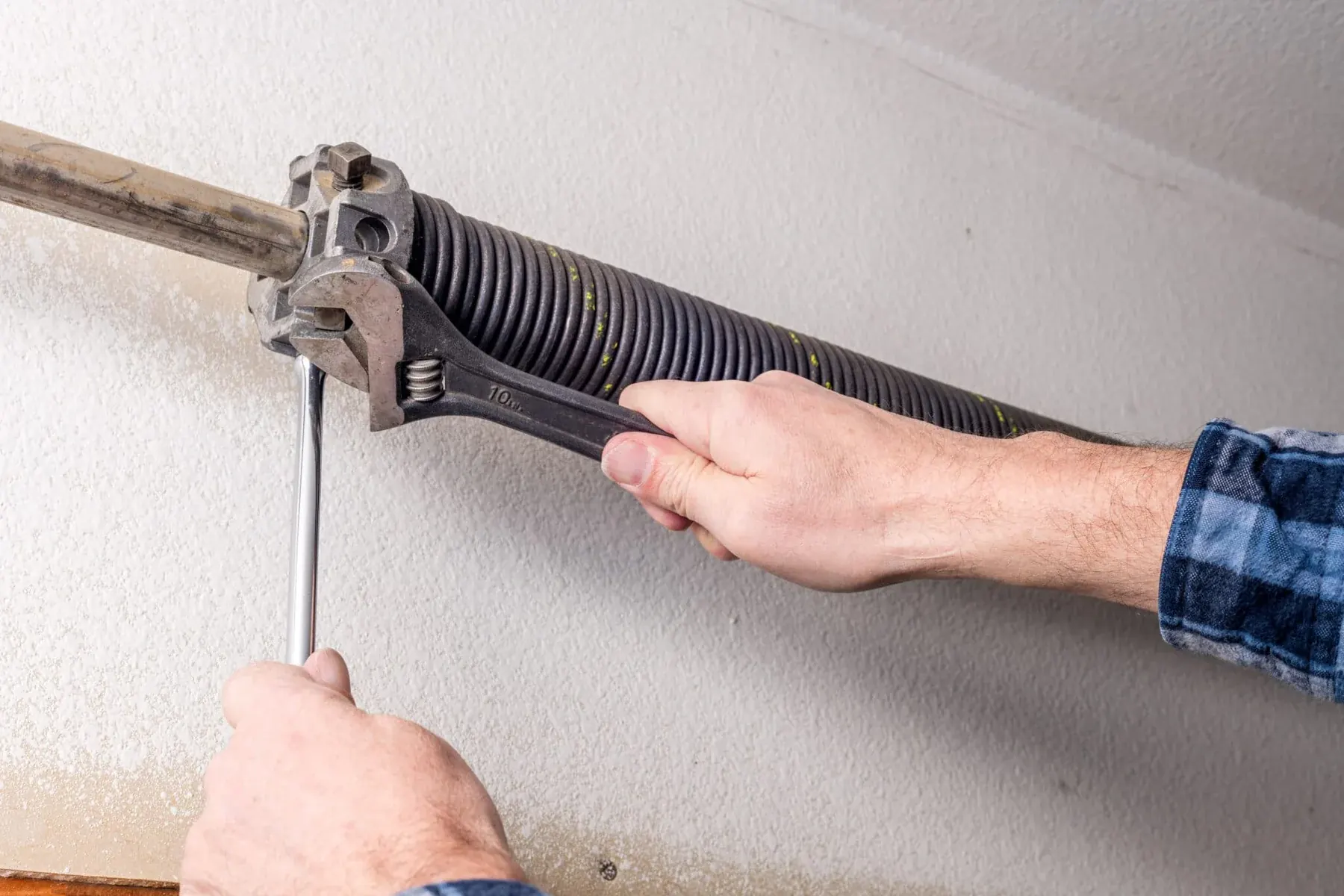
Torsion springs lose cycles. A bang or a heavy door needs professional spring service, never DIY winding.
Cables
Frayed cables or a cable off the drum pull a door crooked. We inspect both sides with spring work.
Tracks
Impact and loose brackets bend tracks until the door binds. Forcing travel makes it worse.
Openers
Motors that hum without lifting often mean a balance problem, not only a failed gear.
Sensors
Misaligned photo-eyes reverse on close. We clean, align, and test after track work.
Maintenance
Tune-ups catch dry rollers and loose hardware before they become a stuck-door call.
Photos from garage door work
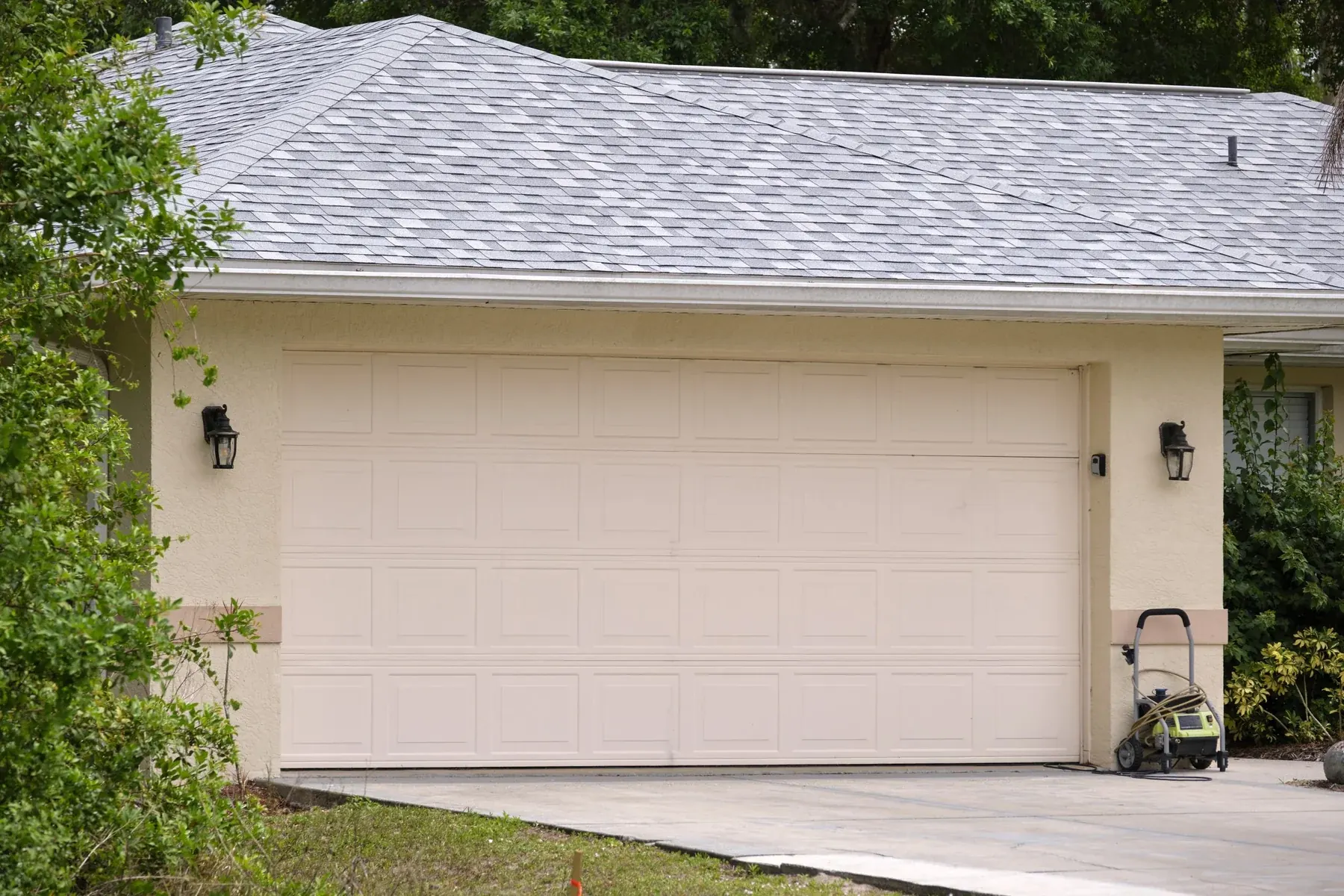
Representative service photos. Your door may need a different mix of springs, cables, tracks, or opener work after inspection.
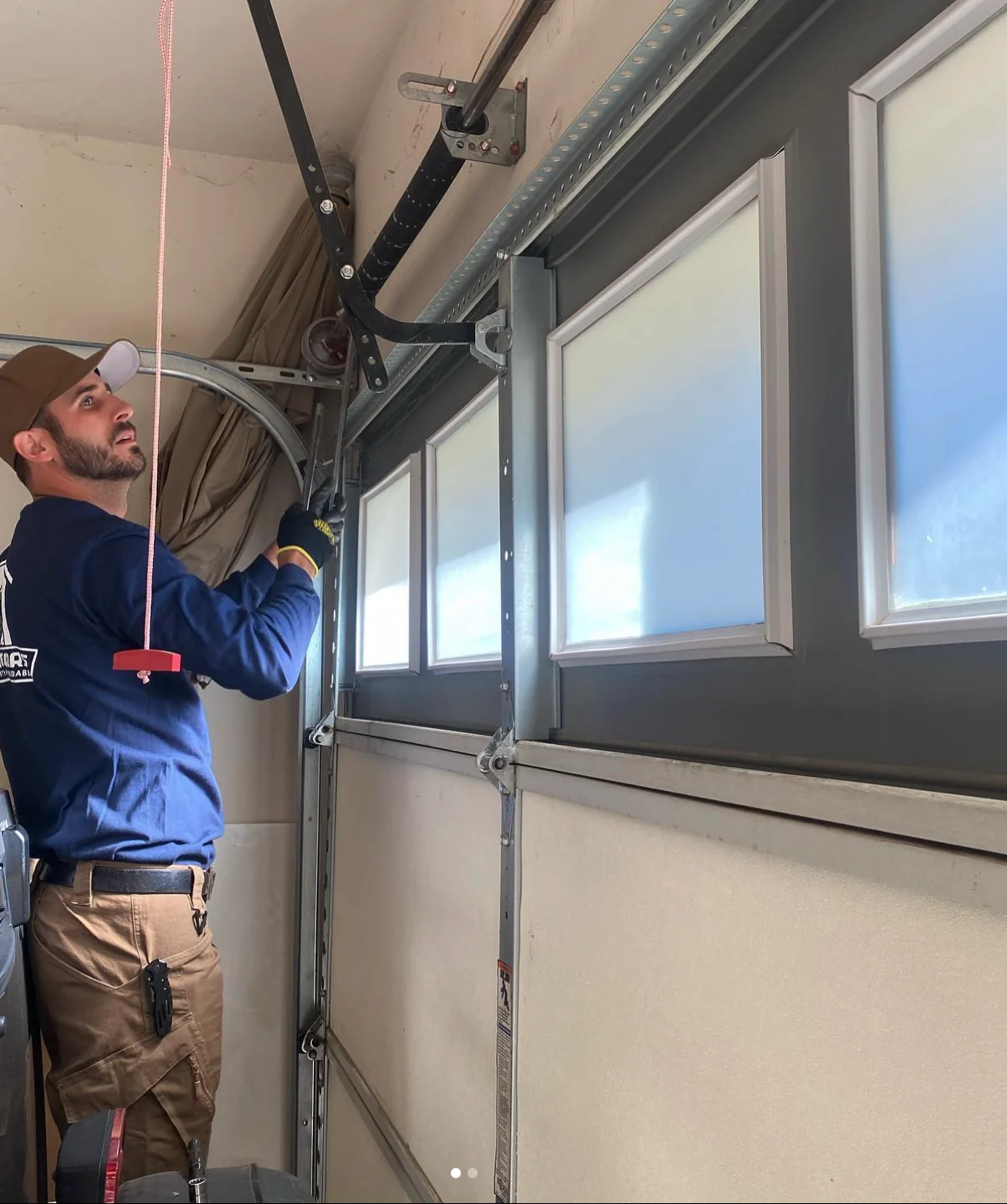
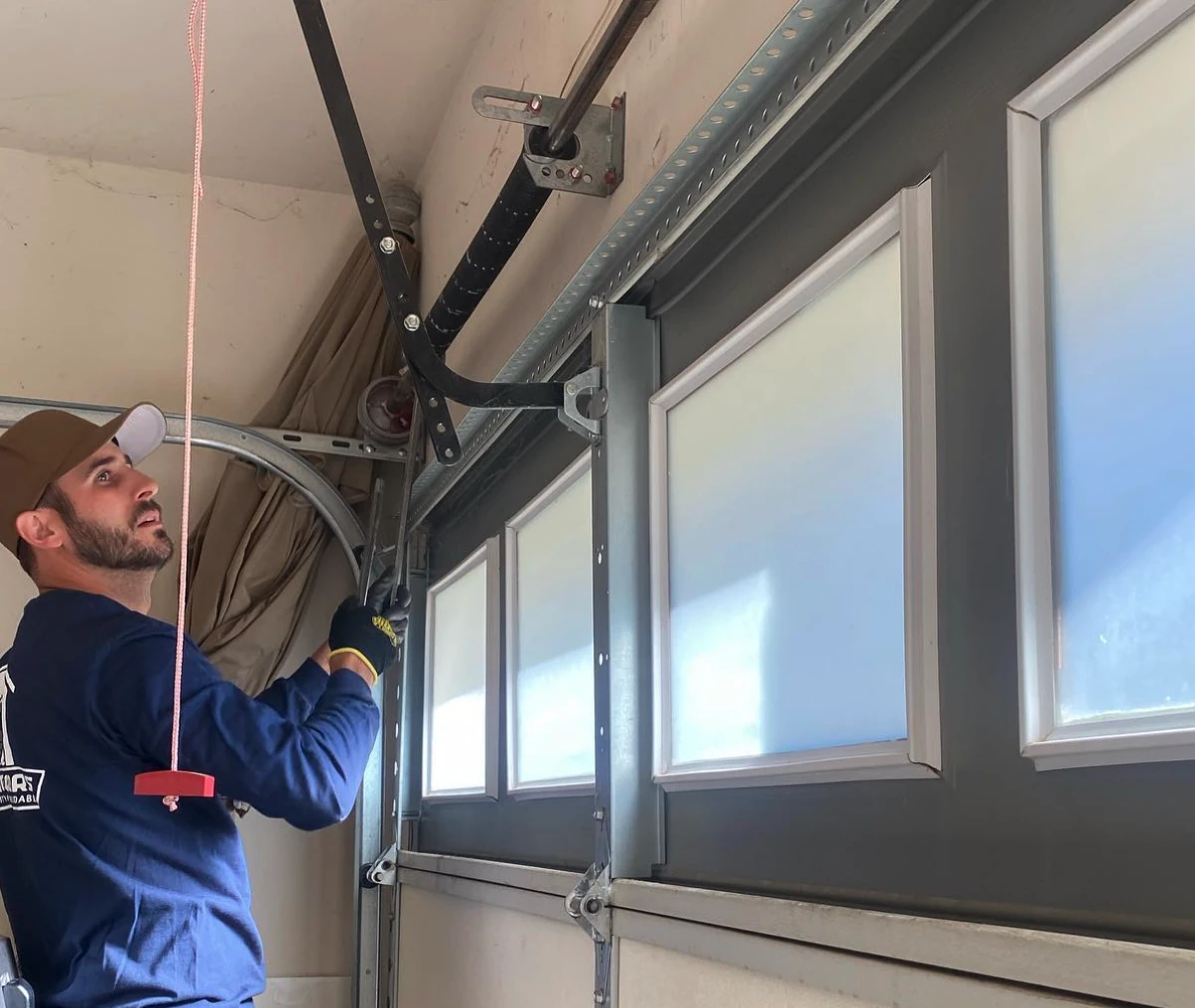
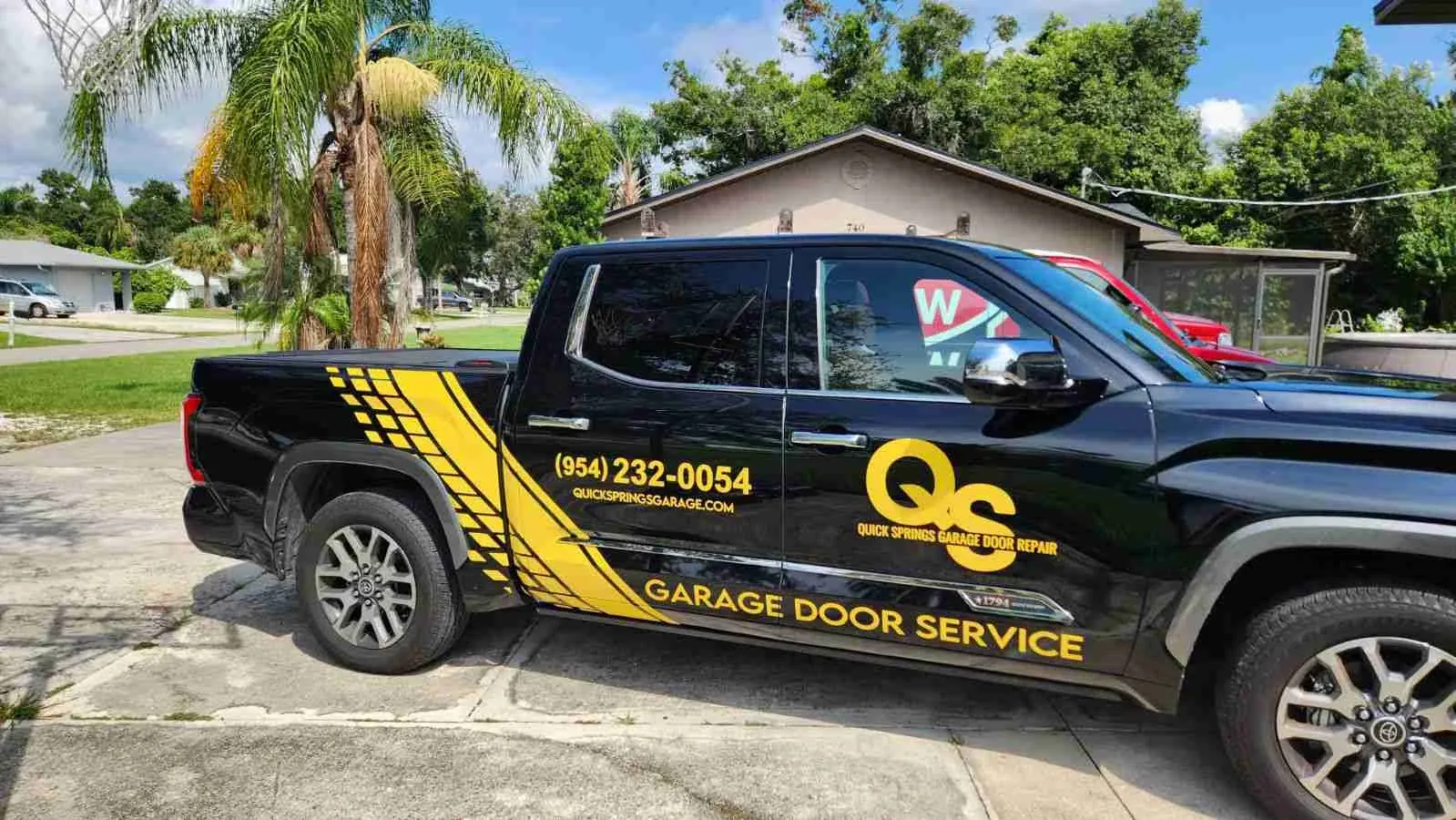
What a service visit looks like
Request with ZIP
Call (954) 232-0054 or use the form. Mention symptoms and whether the door still moves.
Inspect the system
Springs, cables, drums, rollers, tracks, photo-eyes, and the opener are checked together.
Written estimate
You see findings and options before repair work begins. No pressure to guess parts over the phone.
Repair and test
Approved work is completed, then we test balance, travel, and auto-reverse.
Garage door help across Sarasota County
Quick Springs Garage Door Repair is a licensed and insured, family-run business focused on Sarasota with regional service for Bradenton, Lakewood Ranch, Venice, North Port, Port Charlotte, Nokomis, Punta Gorda, and nearby coastal communities. Whether your issue involves springs, openers, cables, tracks, or a planned tune-up, we inspect the full system and explain options before repair work begins.
Florida heat, humidity, and salt air near the Gulf accelerate wear on hinges, rollers, and spring coils. Seasonal checks and professional tune-ups reduce surprise failures. When a door will not secure or traps a vehicle, call us anytime, we are available by phone every day at (954) 232-0054.
For hands-on service, visit Book Now, browse the services hub, or read more on our blog. We discourage DIY work on high-tension springs and cables; trained technicians use proper tools to restore balanced, safe travel.
Many homeowners first notice trouble as noise, a heavy feel when lifting manually, or a door that reverses before closing. Those signs often connect to spring balance, roller wear, or sensor alignment rather than a single isolated part. Reading guides on this site helps you describe symptoms accurately when you call, saving time during dispatch and helping our team prepare appropriate parts for your door type.