
Garage Door Won't Close on Sunny Days
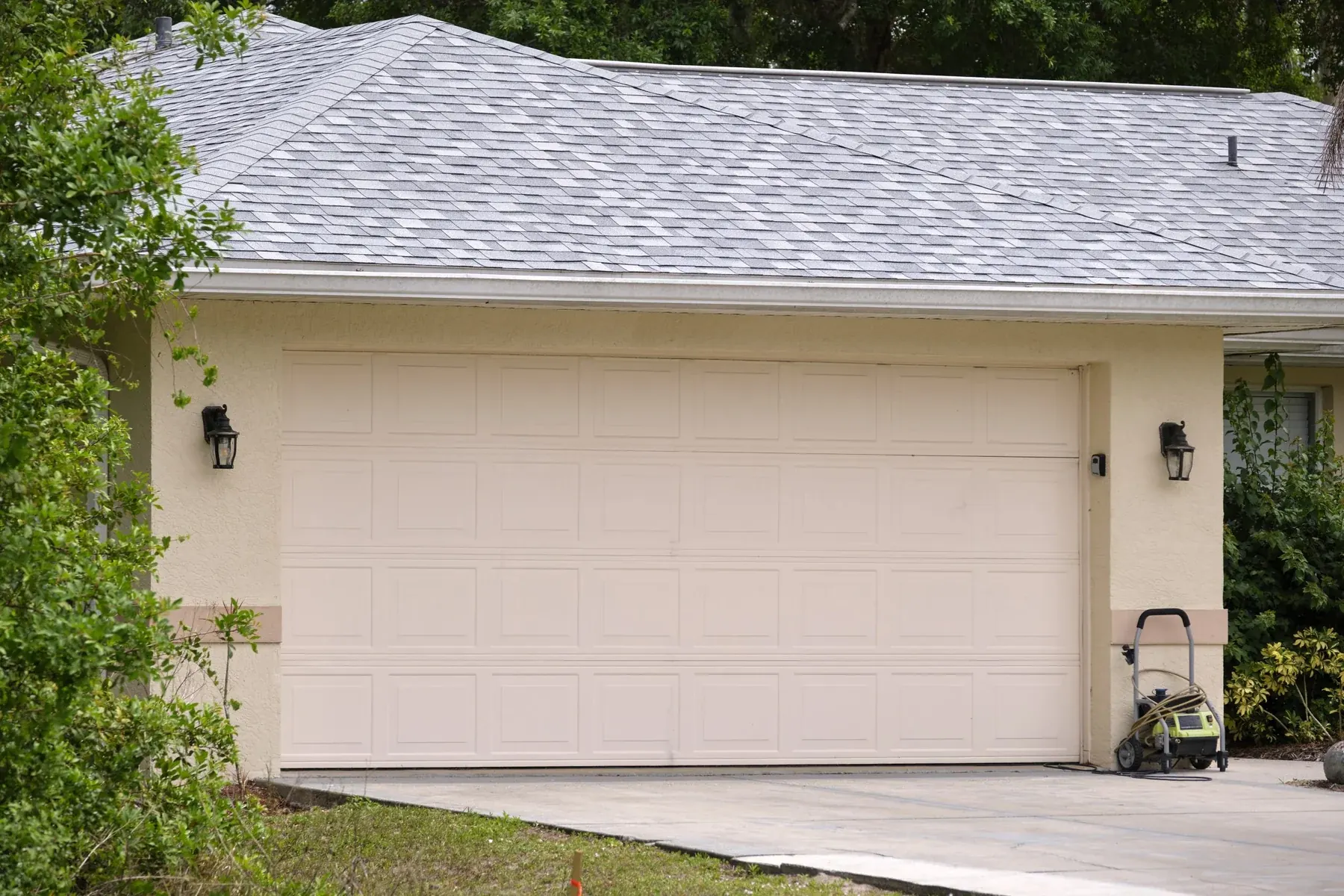
If your garage door closes fine at night but reverses at noon, sunlight is likely blinding the photo eyes. Southwest Florida’s hard light makes this one of the most common “ghost” sensor complaints we hear from Sarasota to Port Charlotte.
Why bright sun triggers reversing when evenings work fine
Safety photo eyes send an invisible beam across the doorway. Direct sun into the receiving eye can mimic a blocked beam, so the opener refuses to close or reverses at the start of travel. Clouds pass and the door suddenly “heals,” which confuses everyone.
West-facing garages bake in afternoon glare; light-colored concrete aprons bounce even more light upward. Seasonal sun angles mean a door that behaved in winter may protest each summer.
This pattern differs from a door that opens then closes for travel-limit reasons, compare opens then closes if timing does not track with sunlight.
LED behavior on photo eyes during glare events
Watch the sensor LEDs when the sun is worst. Flickering, dropping out, or switching from solid to blink as clouds move is a glare signature. Steady blinks regardless of sun point more to alignment or wiring, covered in blinking sensor lights.
Dirty lenses amplify sun problems. A routine wipe with a soft cloth is helpful homeowner care. Do not bend brackets wildly or wedge sensors with tape as a permanent fix.
Never bypass sensors by twisting wires together. That defeats a life-saving feature and is not an acceptable workaround for sun issues.
Shades, aiming, brackets, and sensor upgrades that tame Florida sun
Technicians re-aim eyes slightly downward or inward, add sun shields, or relocate within allowed height ranges. Some modern sensors tolerate ambient light better; upgrading beats fighting an ancient pair on a reflective apron.
Bracket stability matters: spongy mounts vibrate and drift, so sun fixes fail a week later. We tighten or replace brackets as needed during sensor repair.
Landscaping glare from new white gravel is an owner-side factor we will mention if we see it, soft advice, not a landscaping sales pitch.
Other close failures that only seem sun-related
Force settings, binding rollers, and bad bottom seals can reverse a door more often when heat expands tracks mid-day. We still test mechanical travel, not only optics.
Intermittent wiring damaged by heat soak can also follow a sunny schedule. Diagnosis includes wiring tugs and connection checks at the opener.
A tune-up pairs well when sensors need help and hardware is dry from a long hot season.
Temporary habits that stay safe
Closing the door earlier or later in the day is a reasonable temporary habit. Holding the wall button through close, only if your opener’s manual describes a maintained-pressure supervised close, may work on some units; know your model before relying on it.
Do not disable sensors. Do not stare into laser-like emitter ports. Keep the beam path clear of packages that “only sit there during daytime deliveries.”
If the door will not secure at all, call for service rather than leaving the house open.
How Gulf Coast sun and reflective aprons change the job
Southwest Florida sun sits high and harsh for more months than northern climates. White pavers, fresh concrete, and pool-deck finishes near the garage mouth bounce light into receivers that were aimed for a darker driveway years ago.
Storm-season cloud breaks create sudden glare spikes: a door may close through morning rain, then refuse the first sunny afternoon cycle. That intermittency is still an optics problem, not “random opener failure.”
Island and barrier-adjacent homes (Holmes Beach, Siesta approaches, Casey Key corridors) often pair salt corrosion on sensor brackets with sun issues, loose mounts drift into the worst sun angle after a few seasons.
Sun-glare sensor service with Quick Springs
Call (954) 232-0054 or book now. Mention which way the garage faces and what time closing fails. Afternoon appointments can help us see the glare live.
Licensed, insured, open 24 hours, Sarasota and Southwest Florida coverage. Written estimates before parts or aim modifications beyond basic alignment.
After adjustments we test closing in the brightest conditions available that day and verify auto-reverse still works with a supervised obstacle test.
Questions about this topic
Our Professional Service & Repair Standards
Our service guides cover torsion spring repair, opener repair, off-track recovery, cable replacement, tune-ups, and installation. Our service-area guide lists the communities we support throughout Southwest Florida. If you would like to read public reviews, please visit our Google Maps profile linked in the footer.
During a visit we document findings, then you choose the work with zero high-pressure sales tactics. After approved repairs we test the door through full cycles. If a part is not on the truck, we explain timing clearly. We follow the same process across Sarasota County and nearby Southwest Florida communities.
Safety first: keep people and pets clear of a moving door. Do not place bricks on remotes. If the door is off track, stop using the opener. If a cable is hanging, leave the door down if it is already closed. These habits prevent extra panel damage while you wait for a technician.
Common questions from property owners include how long a service visit takes, whether we service specific brands, and how our written estimates work. Service duration depends on site access and the specific repair needed. We service all major residential and commercial overhead door systems. Transparent estimates are provided directly after diagnosis, taking into account door weight, cycle ratings, and local environmental wear.
Helpful resources: use our request form to schedule service, view our contact page for shop location and hours, read about our team, or browse our blog guides. An educational guide never replaces an on-site diagnosis when the door is unsafe or under tension.
Garage door issues are much easier to diagnose when the entire door is evaluated as a unified system. Springs carry the counterbalance weight, cables and drums ensure level lifting, rollers and tracks guide smooth panel travel, and sensors and openers function reliably only when mechanical balance is restored. Quick Springs Garage Door Repair begins every service visit with a comprehensive inspection to ensure the true root cause is addressed.
Florida humidity, salt air, and afternoon storms change how hardware ages. Lubricant dries. Fasteners rust. Photo-eyes get dirty. A door that slams, reverses, or sits heavy is sending a mechanical signal, not a random glitch. We explain those signals in plain language before anyone approves parts.
When you request service, share the ZIP, whether the door is stuck open or closed, and any recent storm, power outage, or opener change. Gate codes and HOA notes help. We are licensed and insured, open 24 hours, and we provide a written estimate after diagnosis. Call (954) 232-0054 or use the request form.
Residential garage doors throughout Sarasota and surrounding communities often experience torsion spring failure over time. A loud bang accompanied by a door that will not lift manually signals a broken spring; never attempt to wind or replace springs without proper training and equipment. Commercial doors typically wear from heavy cycle volume, leading to flattened rollers, cable fray, and operator strain. In all cases, our technicians conduct complete post-repair safety testing including balance, travel limits, and auto-reverse functions.
Tune-ups catch dry rollers, loose track bolts, and early cable wear before they cause unexpected operational failures. Installation is discussed only when panels, rust-through, or repeated structural repairs make replacement the safer path. We do not invent awards or publish fake review counts. Our local shop is located at 2517 Sota St, Sarasota, FL 34240.
Opener motors that hum without lifting usually mean the door is too heavy because a spring lost tension. Replacing the opener first often wastes money. Off-track doors after impact need track, roller, and cable checks together. Sensor issues in bright sun are often alignment and dirt, not a new motor.
Property managers can list multiple openings on one request. Seasonal residents should mention months of idle time. After a storm, say whether the door still moves. Email [email protected] if you need to send photos of cables, springs, or the opener rail. Photos never replace an on-site look, but they help us plan.
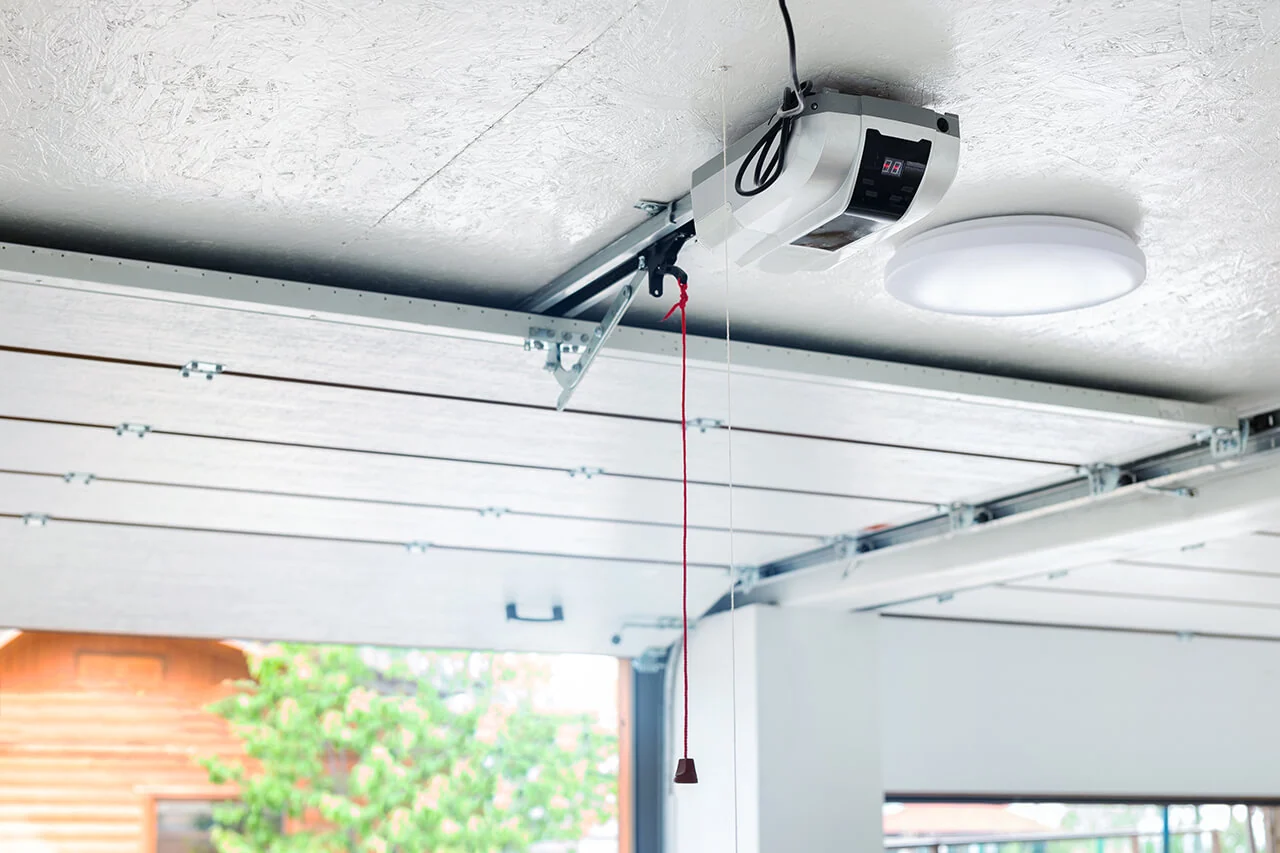
System checks on every visit
These six checks ensure every service visit addresses the underlying mechanics rather than just swapping individual parts.
Springs
Torsion springs lose cycles. A bang or a heavy door needs professional spring service, never DIY winding.
Cables
Frayed cables or a cable off the drum pull a door crooked. We inspect both sides with spring work.
Tracks
Impact and loose brackets bend tracks until the door binds. Forcing travel makes it worse.
Openers
Motors that hum without lifting often mean a balance problem, not only a failed gear.
Sensors
Misaligned photo-eyes reverse on close. We clean, align, and test after track work.
Maintenance
Tune-ups catch dry rollers and loose hardware before they become a stuck-door call.
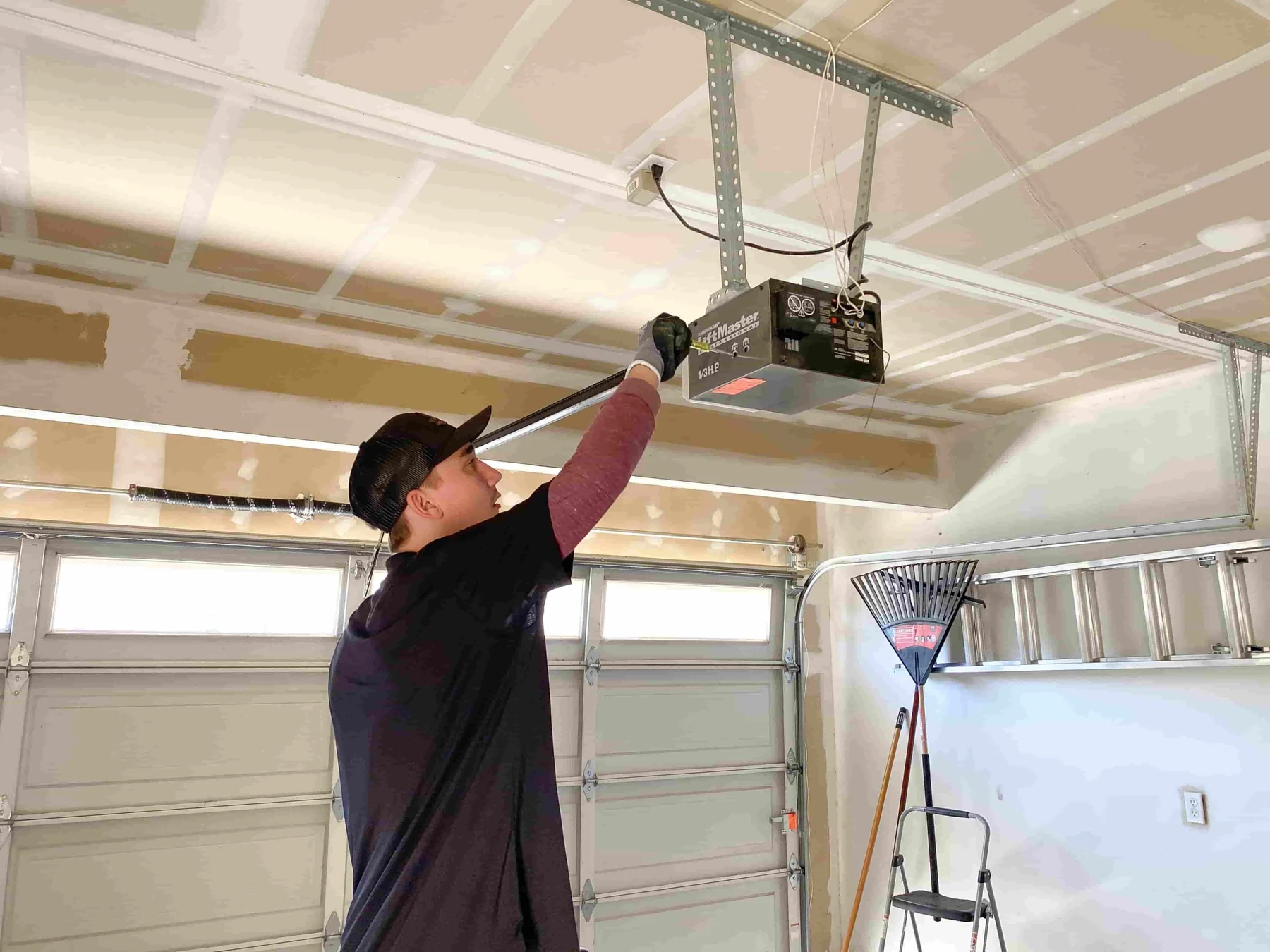
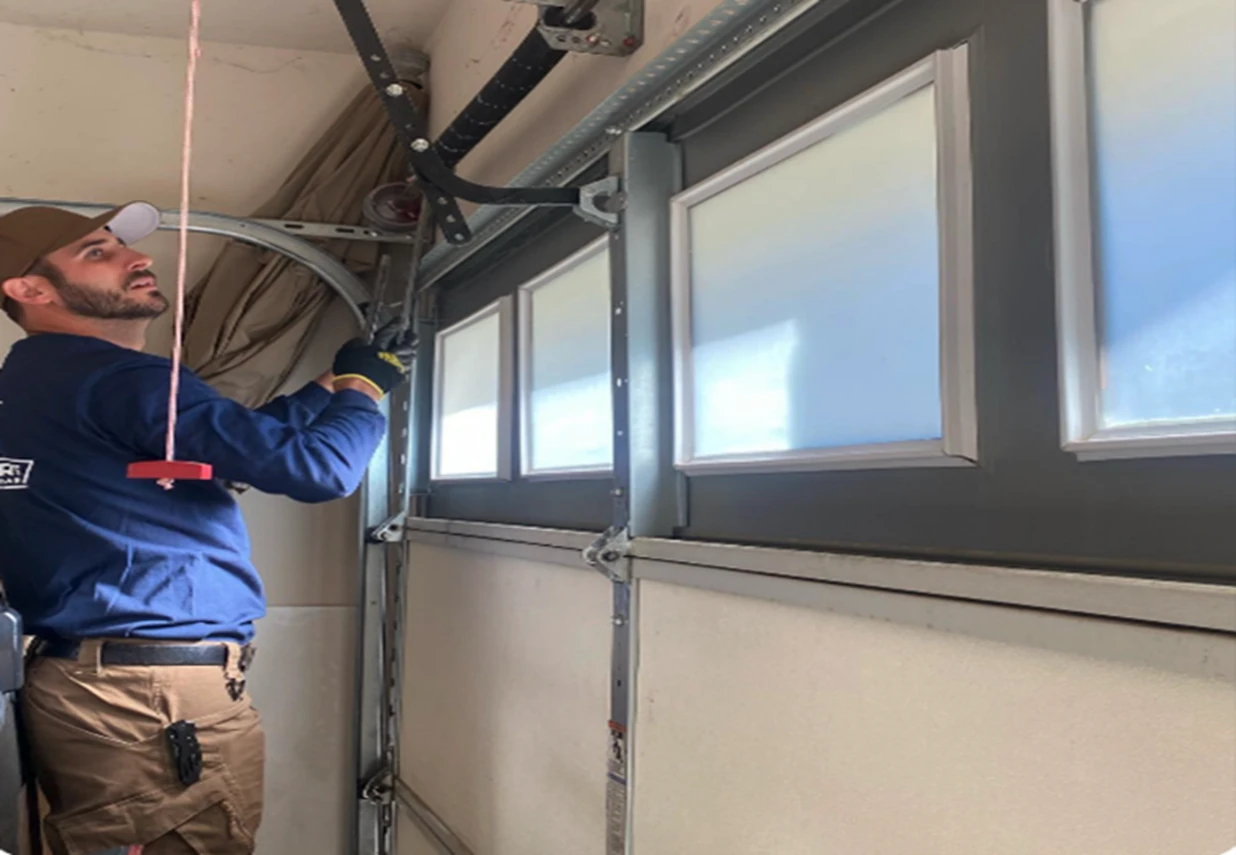
Photos from garage door work
Representative service photos. Your door may need a different mix of springs, cables, tracks, or opener work after inspection.
What a service visit looks like
Request with ZIP
Call (954) 232-0054 or use the form. Mention symptoms and whether the door still moves.
Inspect the system
Springs, cables, drums, rollers, tracks, photo-eyes, and the opener are checked together.
Written estimate
You see findings and options before repair work begins. No pressure to guess parts over the phone.
Repair and test
Approved work is completed, then we test balance, travel, and auto-reverse.