


Insulating a garage door can significantly improve energy efficiency, reduce noise, and enhance temperature regulation inside the garage. Here’s a comprehensive guide on how to insulate a garage door:
Choosing the Right Insulation
Understand R-Values: Insulation is measured by its thermal-resistance value, or R-value. Higher R-values indicate better insulation. The ideal R-value depends on your garage type: 0-6 for detached garages, 7-9 for standard attached garages, 10-13 for heated garages, and 14+ for garages with rooms above them.
Select Insulation Materials: Common materials include fiberglass, rigid foam, spray foam, and cellulose. Each has different R-values, pros, and cons. Choose based on your needs and budget.
Preparation Steps on How to Insulate a Garage Door
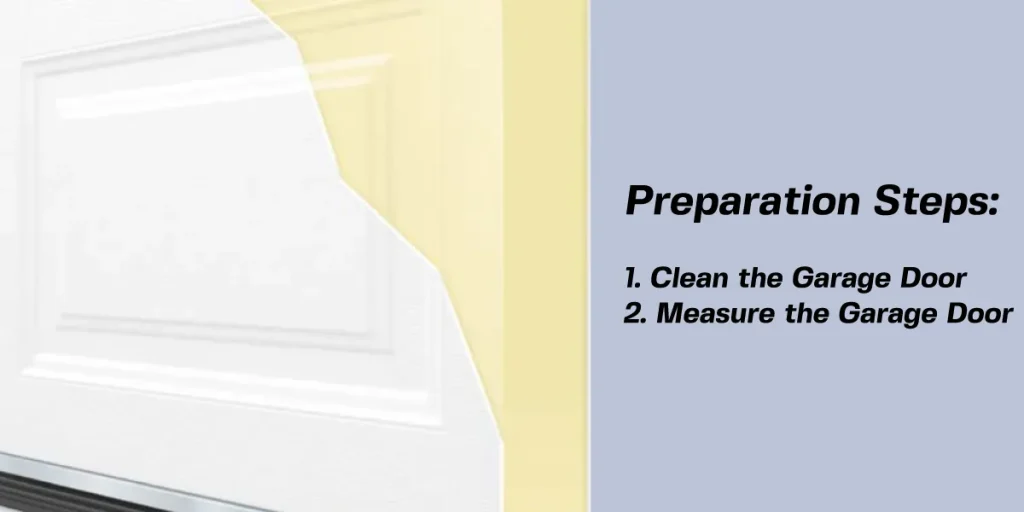
Clean the Garage Door: Ensure the back of the garage door is free from grease, dirt, and debris. Use a brush and a damp cloth to clean the surface and let it dry before installation.
Measure the Garage Door: Measure the width and height of the garage door panels to ensure accurate cutting of insulation materials.
Installation Methods
Using a Garage Door Insulation Kit:
- Measure and Cut Insulation: Use the measurements to cut the insulation to size.
- Install Double-Sided Tape: Attach double-sided tape to the panels where you want to secure the insulation.
- Secure Insulation: Fasten the insulation to the exposed sections of the double-sided tape.
- Repeat: Continue until full coverage is achieved, overlapping each layer slightly.
Rigid Foam Insulation:
- Measure and Cut Foam: Measure each garage door panel and cut the foam to fit.
- Attach Foam: Use double-sided tape or clips to secure the foam to the panels.
- Ensure Fit: Ensure a snug fit without breakage by deducting a half-inch from measurements if necessary.
Polystyrene Sheets or Panels:
- Measure and Cut: Measure the panels and cut the polystyrene to fit.
- Install: Place the polystyrene inside the panels, ensuring a snug fit. Use clips or adhesives if necessary.
What are the best materials for insulating a garage door?
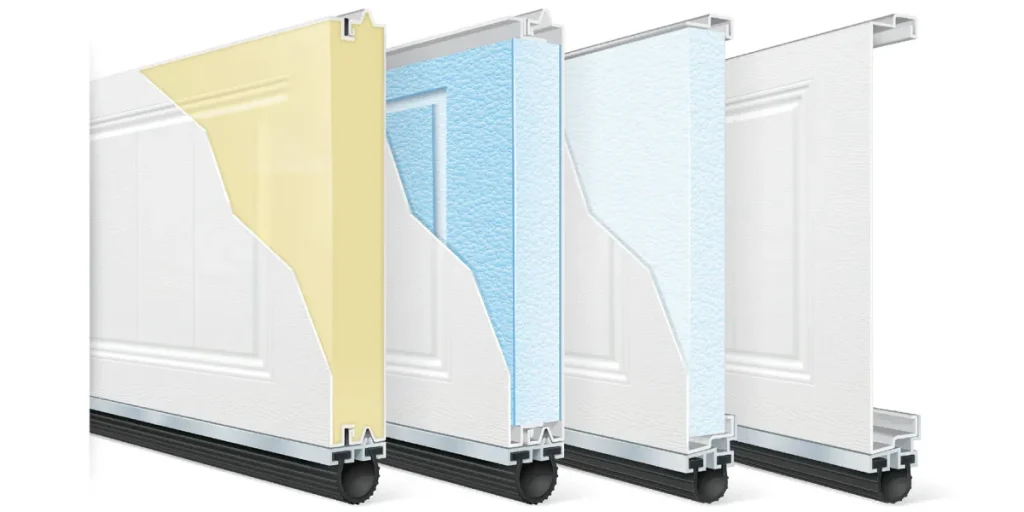
The best materials for insulating a garage door depend on several factors including climate, budget, and specific needs. Here are some of the most effective options:
Polyurethane Insulation
Polyurethane insulation offers high R-values, typically between R10 and R17.5, providing superior thermal protection.
It has excellent sound-dampening qualities, reducing noise from outside and the door itself.
Polyurethane insulation makes the garage door more robust and resistant to dents and dings.
Polystyrene Insulation
Polystyrene insulation is generally less expensive than polyurethane and is available in various thicknesses.
It comes in pre-cut panels, making it relatively easy to install.
Polystyrene insulation typically has an R-value between R2 and R10, which is lower than polyurethane but still effective.
Other Materials
Fiberglass batt insulation is another common choice, offering R-values up to 8.0, but it can be messy and loses effectiveness when damp.
Rigid foam boards, such as expanded polystyrene and polyisocyanurate, provide R-values up to 6.0 per inch and are long-lasting but can be expensive.
Cellulose is made from organic materials and is fire-resistant but is heavy and expensive.
Radiant barrier insulation is designed to block radiant heat and is the least expensive option, but it may not be as effective in cold climates.
Choosing the Right Material
Climate Considerations: For harsh climates, polyurethane insulation is often the best choice due to its high R-value and durability.
Budget: Polystyrene insulation is a more budget-friendly option but may not offer the same level of insulation as polyurethane.
Specific Needs: Consider factors such as sound dampening, durability, and ease of installation when selecting the best insulation material for your garage door.
How does the size of the garage door impact the insulation cost?

The size of the garage door significantly impacts the insulation cost. Here are some key points to consider:
Material Requirements: Larger garage doors require more insulation material, which increases the cost. For example, a double garage door may need twice as much insulation as a single garage door.
Size-Based Costs:
- 1-Car Garage: Insulation costs can range from $600 to $1,400 for a standard single garage door.
- 2-Car Garage: For a double garage door, the cost can be between $1,200 and $3,000.
- 3-Car Garage: Larger or custom doors can exceed $4,400 in insulation costs.
Installation Costs: Larger doors also require more labor for installation, which adds to the overall cost. Installation costs can range from $150 to $500 for a single door and $300 to $700 for a double-wide door.
Custom Sizes: Custom or oversized garage doors will naturally incur higher costs due to the increased amount of insulation material and labor required.
Summary
In summary, polyurethane and polystyrene are the two most common and effective materials for insulating a garage door, with polyurethane offering higher R-values and better durability, and polystyrene being more cost-effective and easier to install. Other materials like fiberglass, rigid foam, cellulose, and radiant barrier insulation also have their benefits and drawbacks, making them suitable for specific needs and budgets.
Insulating a garage door can significantly improve energy efficiency and reduce noise. The cost of insulation varies based on several factors, including the size of the door and the type of insulation used.
- Size Impact: Larger garage doors require more insulation material and labor, increasing costs.
- Material Costs: Insulation materials like polystyrene and polyurethane have different price points, with polyurethane being more expensive but offering higher R-values.
- Installation Costs: Labor costs for installation can add $150 to $700, depending on the door size.
- Total Costs: Insulation costs can range from $600 to $1,400 for a single garage door and $1,200 to $3,000 for a double garage door.
Insulation Options:
- Polystyrene: Provides an R-value of 4 to 6 and costs between $750 and $1,500.
- Polyurethane: Offers an R-value of 12 to 18 and costs between $1,000 and $3,500.
- DIY Kits: Available for existing doors, costing between $50 and $530.
Choosing the right insulation material and considering the size of the garage door are crucial for effective and cost-efficient insulation.
