


At Quick Spring Garage, we understand the importance of garage door springs in ensuring the smooth operation of your garage doors. These vital components provide the necessary force to lift and lower doors efficiently. There are two primary types of garage door springs: torsion springs and extension springs, each offering unique characteristics, advantages, and applications. Whether you’re looking for durability and smooth operation with torsion springs or a cost-effective solution with extension springs, our expert team is here to help you choose the best option for your needs.
Garage Door Springs – Torsion Springs
Torsion springs are the most common type of garage door spring. They are mounted horizontally above the garage door on a metal shaft that runs parallel to the door. These springs work by utilizing torque, a twisting force that creates tension when the door is closed and releases it to help lift the door when opened.
Torsion springs are known for their durability and ability to provide a smooth operation. They have fewer exposed parts, making them safer and longer-lasting compared to extension springs.
Types of Torsion Springs:
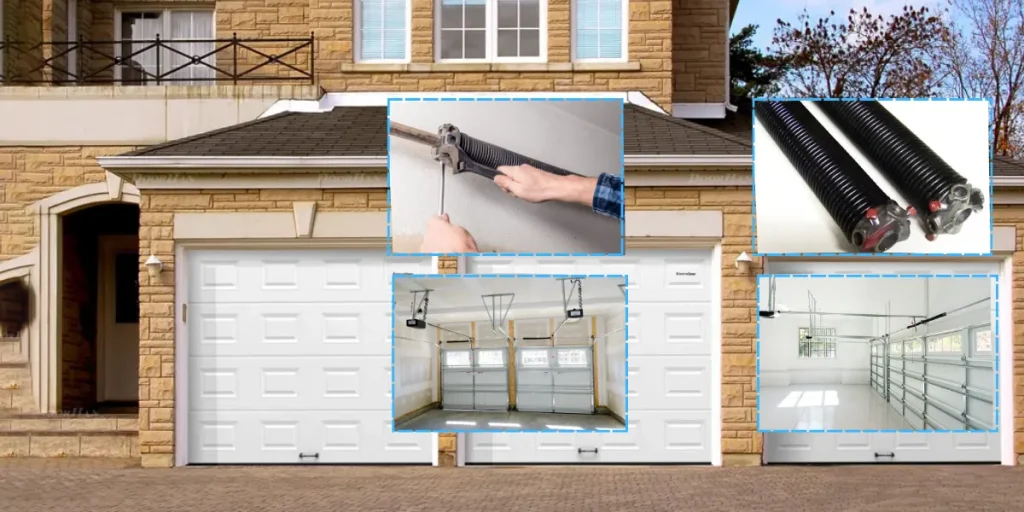
- Standard Springs: Used in most residential garage doors.
- Early Set Springs: Positioned in the middle of the shaft.
- Steel Rolling Door springs: Used in commercial applications for heavier doors.
- Torque Master Springs: Enclosed within the torsion shaft for added safety and ease of adjustment
Extension Springs
Extension springs are typically installed on the sides of the garage door, running parallel to the horizontal tracks. They operate by extending and contracting with the movement of the door, storing energy when the door is closed and releasing it to assist in lifting the door.
Extension springs are generally less expensive than torsion springs and are often used in situations where there is limited overhead space.
Types of Extension Springs:
- Open-Looped End: The simplest and least expensive type, but also the weakest.
- Double-Looped End: Stronger and more durable than open-looped ends.
- Clipped End: The most durable, suitable for heavier doors, but more difficult to replace.
Both types of springs are critical to the safe and efficient operation of garage doors and should be maintained regularly to ensure longevity and performance. It’s important to note that due to the high tension these springs are under, replacing or repairing them should be handled by professionals to avoid injury.
How do I know if I need torsion springs or extension springs for my garage door?
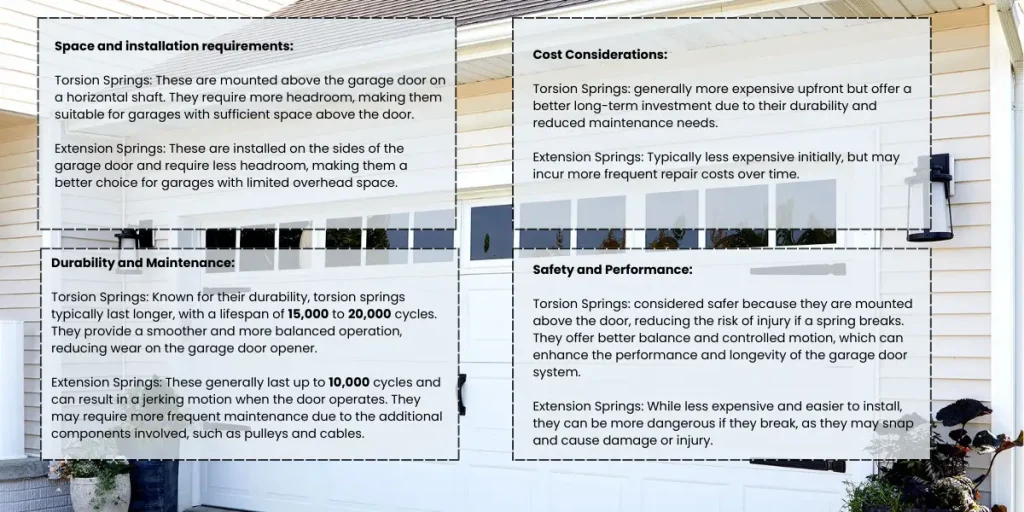
To determine whether you need torsion springs or extension springs for your garage door, consider the following factors:
Space and installation requirements:
Torsion Springs: These are mounted above the garage door on a horizontal shaft. They require more headroom, making them suitable for garages with sufficient space above the door.
Extension Springs: These are installed on the sides of the garage door and require less headroom, making them a better choice for garages with limited overhead space.
Durability and Maintenance:
Torsion Springs: Known for their durability, torsion springs typically last longer, with a lifespan of 15,000 to 20,000 cycles. They provide a smoother and more balanced operation, reducing wear on the garage door opener.
Extension Springs: These generally last up to 10,000 cycles and can result in a jerking motion when the door operates. They may require more frequent maintenance due to the additional components involved, such as pulleys and cables.
Safety and Performance:
Torsion Springs: considered safer because they are mounted above the door, reducing the risk of injury if a spring breaks. They offer better balance and controlled motion, which can enhance the performance and longevity of the garage door system.
Extension Springs: While less expensive and easier to install, they can be more dangerous if they break, as they may snap and cause damage or injury.
Cost Considerations:
Torsion Springs: generally more expensive upfront but offer a better long-term investment due to their durability and reduced maintenance needs.
Extension Springs: Typically less expensive initially, but may incur more frequent repair costs over time.
What are the main advantages of using torsion springs over extension springs?
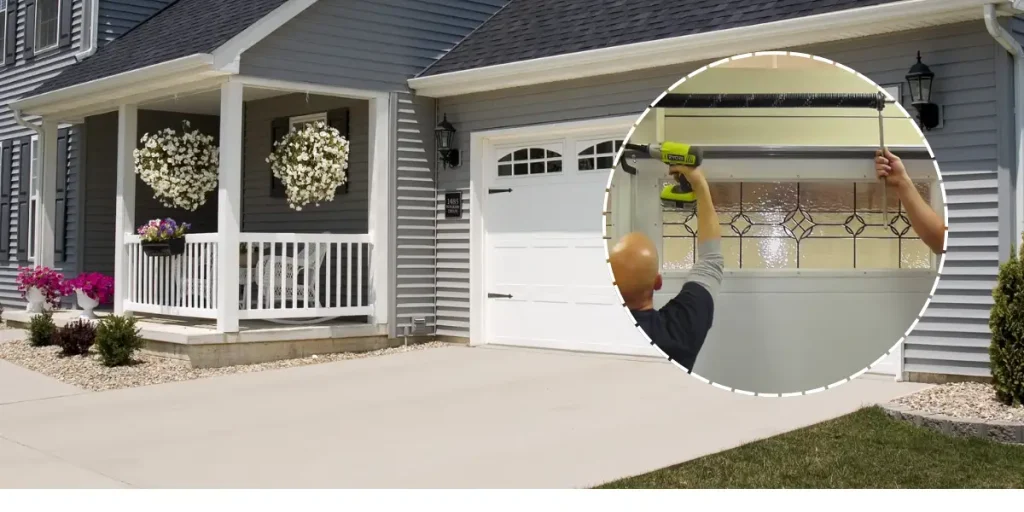
Torsion springs offer several advantages over extension springs for garage doors, making them a preferred choice for many homeowners. Here are the main benefits:
Smoother and Quieter Operation: These types of springs provide a smoother and quieter operation compared to extension springs. They minimize jarring movements and loud noises when opening or closing the garage door, enhancing the overall user experience.
Enhanced Durability: Torsion springs are known for their longevity and durability. They are designed to withstand more cycles of opening and closing, often lasting between 15,000 to 20,000 cycles, which reduces the frequency of replacements and maintenance.
Improved Safety: Torsion springs are considered safer due to their design and placement. They are mounted parallel to the door and enclosed, reducing the risk of accidents or injuries if a spring breaks. This design ensures that in the event of a breakage, the spring is less likely to cause harm or property damage.
Better Balance and Control: It provides excellent balance and control for the garage door’s movement, which reduces strain on the garage door opener. This leads to an extended lifespan for the opener and minimizes wear and tear on the entire system.
Fewer Components: Torsion spring systems have fewer parts compared to extension spring systems. This simplicity reduces the likelihood of encountering problems and makes the system more reliable.
Why are torsion springs considered safer than extension springs?
Torsion springs are considered safer than extension springs for several reasons:
Design and Placement: Mounted parallel to the garage door and enclosed in a protective housing, these springs have a design that minimizes the risk of becoming projectiles if they break. When a spring breaks, it usually remains on the shaft, reducing the chance of causing injury or property damage.
Controlled Motion: These springs ensure a smoother and more controlled motion when opening and closing the garage door. This controlled movement reduces the risk of sudden jerks or shifts that could unbalance or damage the door, a common issue with extension springs.
Fewer Components: Torsion spring systems have fewer components compared to extension spring systems, which reduces the chances of mechanical failure. Fewer parts mean fewer opportunities for something to go wrong, enhancing the overall safety and reliability of the system.
Reduced Risk of Breakage: The constant stretching and contracting of extension springs can lead to wear and tear, increasing the risk of them snapping and causing injury. Torsion springs, on the other hand, operate using torque and are less prone to such sudden failures.
Summary
At Quick Garage Door, we recognize the critical role that garage door springs play in ensuring the efficient operation of your garage doors. There are two main types of springs to consider: torsion springs and extension springs.
Torsion Springs are mounted horizontally above the garage door on a metal shaft and use torque to facilitate door movement. Known for their durability, smooth operation, and enhanced safety, they come in various types such as standard, early set, steel rolling door, and Torque Master torsion springs.
Extension Springs are installed on the sides of the garage door and function by extending and contracting. They are generally more affordable and require less headroom, making them ideal for garages with limited space. However, they have a shorter lifespan and can be more hazardous if they break. Types of extension springs include open-looped, double-looped, and clipped-end springs.
Each type of spring offers distinct advantages and should be selected based on your specific garage requirements, available space, and budget. Quick Garage Door is here to help you make the best choice for your garage door system.
