The Heart of Your Garage Door: Understanding and Safely Executing Springs Repair
The spring system is the unsung hero of your garage door. It performs the monumental task of counterbalancing the door’s immense weight, allowing a relatively small electric motor (the opener) to easily raise and lower it. Without properly functioning springs, the garage door is just a heavy, immovable slab. When the springs break, the entire system grinds to a halt, demanding immediate, specialized attention. The truth is, springs repair is not a simple fix it’s a highly specialized and inherently dangerous process that should never be attempted as a DIY project.
The Danger: Why Springs are a Professional-Only Job
Garage door springs, whether torsion or extension, hold a tremendous amount of stored mechanical energy. This energy is what makes your 400-pound door feel weightless.
- Torsion Springs: Mounted horizontally above the door opening, these springs twist to accumulate force. When they break, they snap with an audible, explosive force. Attempting to unwind, adjust, or remove a torsion spring without the correct winding bars and training can result in catastrophic injuries, including broken bones or worse.
- Extension Springs: Located above the horizontal tracks on both sides of the door, these springs stretch to accumulate force. While typically equipped with safety cables, a breaking extension spring can still release metal fragments with great speed and force.
The primary role of a springs repair technician is not just to replace the broken part, but to safely neutralize and then re-introduce the high-tension forces required to balance the door. This requires specific tools, training, and a deep understanding of load calculations.
Torsion vs. Extension: Knowing Your System
Quick Springs Garage services both primary types of spring systems:
- Torsion Springs: Most commonly found in modern homes, torsion springs are generally more durable, offer a smoother operation, and have a longer projected lifespan (measured in ‘cycles’). A single, visible break in the spring coil indicates replacement is required.
- Extension Springs: Often found on older or lighter doors, these springs run parallel to the horizontal tracks. When one side breaks, it severely throws the door out of balance, potentially bending the track or warping the entire door. For safety and longevity, we strongly recommend replacing both extension springs simultaneously, even if only one is broken, to maintain an even lift balance.
The Professional Springs Repair Process
When you call Quick Springs Garage for springs repair, you receive a comprehensive service designed for safety and durability:
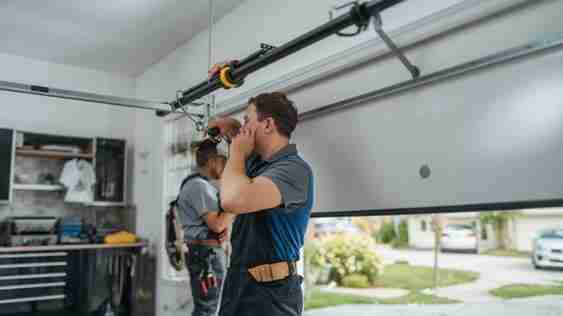
- Safety Assessment: The technician first secures the door and assesses any secondary damage (to cables, drums, or the opener) caused by the break.
- Accurate Calibration: The technician calculates the exact spring size (based on wire gauge, coil diameter, and door weight) required for your specific door. Using the wrong size spring will cause rapid wear on the opener and other parts.
- Precision Winding and Tensioning: Using specialized winding bars, the new spring system is brought up to the exact tension required. This calibration is what determines the door’s perfect balance.
- Full System Check: The repair is concluded with a full inspection of the entire system, including a full cycle test and a manual balance test, ensuring the door can be easily lifted by hand.
Do not delay a spring replacement. Operating a door with a broken spring puts excessive strain on your opener, guaranteeing its failure and turning spring replacement into a combined repair. For safe, expert springs repair, contact the certified professionals at Quick Springs Garage today.