


A garage door slamming shut can be a startling and potentially dangerous occurrence. This article explores the common causes of why does garage door slam shut and provides practical solutions to ensure your garage door operates smoothly and safely.
Common Causes of Slamming Garage Doors
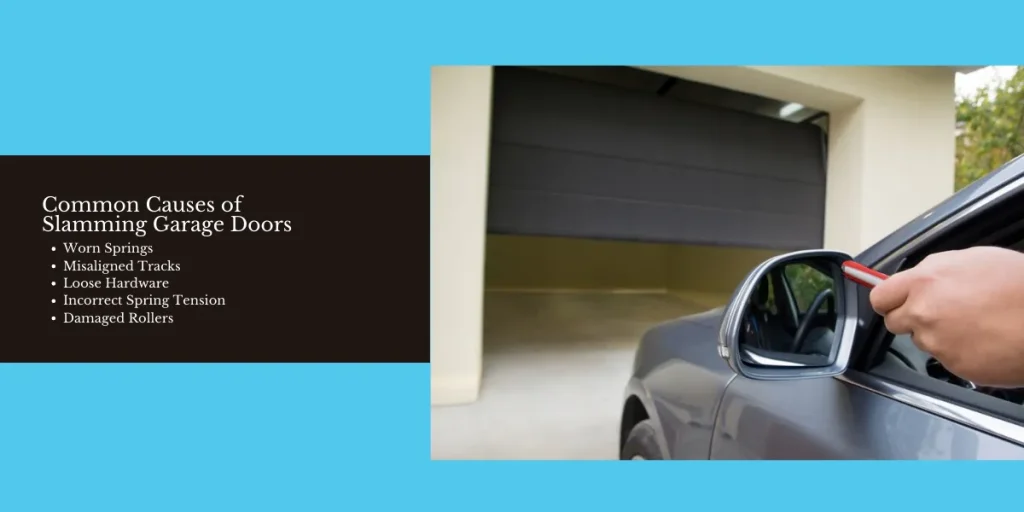
Worn Springs
One of the primary reasons for a garage door slamming shut is worn or damaged springs. These springs are responsible for counterbalancing the weight of the door, allowing it to open and close smoothly. When they weaken over time, they may not provide adequate support, causing the door to fall rapidly.
Misaligned Tracks
Garage doors operate on a track system that guides their movement. If these tracks become misaligned, it can lead to irregular door movement, including sudden closures. Misalignment can occur due to impacts, wear and tear, or improper installation.
Loose Hardware
Over time, the nuts, bolts, and other hardware components of your garage door system may loosen. This can result in unstable door movement and contribute to slamming.
Incorrect Spring Tension
If the tension in your garage door springs is not properly adjusted, it can cause the door to close too quickly. This is often a result of DIY adjustments or improper professional installation.
Damaged Rollers
Rollers help the garage door move smoothly along its tracks. When they become worn, bent, or damaged, they can cause the door to move erratically, potentially leading to slamming.
Solutions and Maintenance Tips
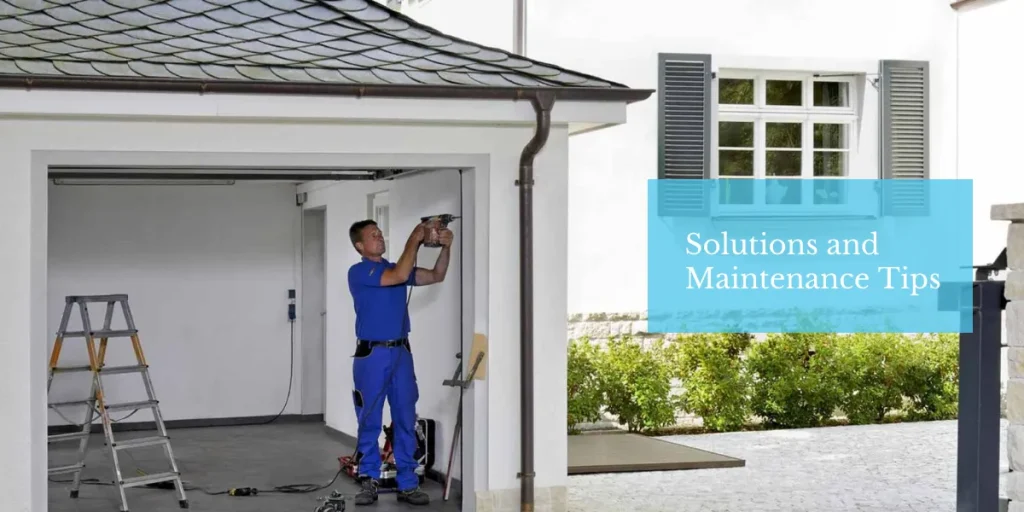
Regular Inspections
Conduct monthly visual inspections of your garage door system. Look for signs of wear, loose hardware, or misalignment.
Professional Maintenance
Schedule annual maintenance with a qualified garage door technician. They can identify and address potential issues before they lead to slamming problems.
Lubrication
Keep all moving parts of your garage door system well-lubricated. This includes hinges, rollers, and springs. Use a silicone-based lubricant for best results.
Spring Replacement
If your springs are worn, have them replaced by a professional. Attempting to replace springs yourself can be extremely dangerous.
Track Alignment
If you notice misaligned tracks, call a professional to realign them. Proper alignment ensures smooth door operation.
Tighten Hardware
Regularly check and tighten all nuts, bolts, and screws in your garage door system. This simple maintenance task can prevent many issues.
Common Causes of Slamming Garage Doors
Worn or Broken Springs
The most frequent cause of a slamming garage door is issues with the springs. Garage door springs are responsible for counterbalancing the door’s weight, allowing it to open and close smoothly. When springs weaken or break, they can no longer support the door’s weight properly, causing it to fall rapidly1.
Loose Chains
In automatic garage doors, a loose chain can also contribute to slamming. Over time, the chain may stretch and create slack, providing less tension and causing the door to close faster and harder1.
Incorrect Spring Tension
If the tension in your garage door springs is not properly adjusted, it can cause the door to close too quickly. This often results from DIY adjustments or improper professional installation.
Safety Concerns
A slamming garage door poses significant safety risks:
- Personal injury: It can cause serious harm to people or pets in its path.
- Property damage: Vehicles or other items beneath the door may be damaged.
- Structural damage: Repeated slamming can damage the door itself, the frame, and other components of the garage door system.
- Malfunction of safety features: The auto-reverse feature may not work properly with a slamming door, further increasing safety risks.
Prevention and Solutions
Regular Maintenance
- Conduct monthly visual inspections of your garage door system.
- Schedule annual professional maintenance to identify and address potential issues early.
Lubrication
Keep all moving parts well-lubricated, including hinges, rollers, and springs. Use a silicone-based lubricant for best results.
Spring Replacement
If your springs are worn or broken, have them replaced by a professional. This is not a DIY task due to the high tension in garage door springs1.
Adjust Close Force Settings
While waiting for professional repairs, you can temporarily reduce the opener’s close force settings. Consult your garage door opener manual for instructions1.
Chain Tightening
If you notice a loose chain, it may need to be tightened. This should be done by a professional to ensure proper tension.
Adjusting Garage Door Springs
Adjusting garage door springs can be dangerous and is generally not recommended as a DIY task. However, if you’re experienced and decide to proceed, here’s a general guide:
Ensure the door is fully closed and disconnected from the opener.
Locate the adjustment points on your springs (varies by type).
For torsion springs:
- Loosen the set screws on the spring cone.
- Use winding bars to adjust tension (clockwise to increase, counterclockwise to decrease).
- Make small adjustments, typically quarter turns at a time4.
For extension springs:
- Adjust the S-hook position or tighten the eye bolt to change tension4.
Conclusion
A slamming garage door is often a sign of underlying issues that require attention. By understanding the causes and implementing regular maintenance, you can ensure your garage door operates safely and smoothly. Remember, when in doubt, it’s always best to consult with a professional garage door technician to address any concerns and maintain the longevity of your garage door system.
