


Garage door openers are an essential component of modern home convenience, providing effortless access to your garage with the simple press of a button. However, like any electronic device, they require periodic maintenance to ensure they continue to function smoothly and reliably. One of the most common maintenance tasks is replacing the battery, which can be a straightforward process if you have the right guidance.
Replacing the battery in your garage door opener not only ensures consistent performance but also prevents potential issues such as slow operation, reduced range, and even complete system failure. This guide will walk you through the step-by-step process of changing the battery in your garage door opener, helping you to maintain your home’s convenience and security. Whether you’re a DIY novice or a seasoned homeowner, this comprehensive guide will provide you with the necessary tools and knowledge to complete this task efficiently and effectively.
Identifying the Need for a Battery Replacement
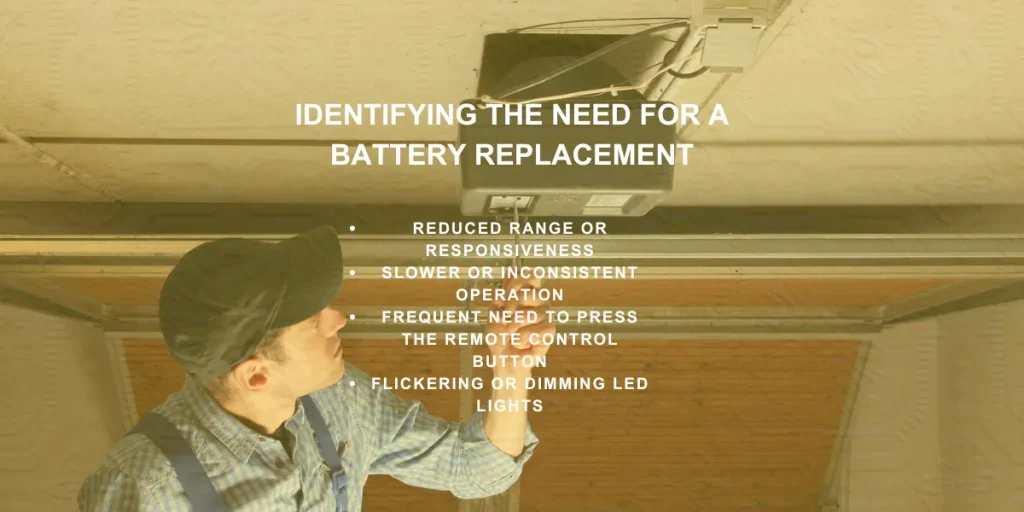
Before you start, it’s essential to recognize the signs that indicate it’s time to replace the battery in your garage door opener:
- Reduced Range or Responsiveness: If your remote control has a reduced range or is less responsive, it may be due to a dying battery.
- Slower or Inconsistent Operation: If your garage door opens and closes slowly or inconsistently, it could be a sign of a weak battery.
- Frequent Need to Press the Remote Control Button: If you need to press the remote control button multiple times to get a response, it’s likely time for a battery replacement.
- Flickering or Dimming LED Lights: Flickering or dimming LED lights on the remote control or the opener itself can also indicate a battery issue.
Tools and Materials Required
To replace the battery in your garage door opener, you’ll need the following tools and materials:
Screwdriver: A flat-head screwdriver is typically required to remove the battery compartment cover.
Replacement Battery: Ensure you have the correct type and size of battery for your garage door opener. Common types include CR2032, CR2016, or other coin cell batteries.
User Manual: Refer to your garage door opener’s user manual for specific instructions and the location of the battery compartment.
Steps to Replace the Battery
Unplug the Garage Door Opener: Begin by unplugging the garage door opener from the power source to ensure your safety during the battery replacement process.
Locate the Battery Compartment: Identify the location of the battery compartment, which is typically found on the remote control, wireless keypad, or inside the opener housing.
Remove the Old Battery: Using the appropriate screwdriver, carefully remove the cover or compartment that houses the old battery. Take out the old battery and dispose of it responsibly.
Install the New Battery: Insert the new replacement battery, making sure to align the positive and negative terminals correctly. Consult your user manual if you’re unsure about the proper battery orientation.
Reassemble the Opener: Replace the battery compartment cover and secure it with the screwdriver. Ensure that the cover is properly sealed to prevent dust or debris from entering the opener.
Test the Opener: Plug the garage door opener back into the power source and test the remote control. Verify that the opener is functioning correctly and that the remote control has regained its full range and responsiveness.
Troubleshooting Common Issues
If you encounter any issues during or after the battery replacement process, consider the following troubleshooting steps:
Remote Control Still Not Working: Ensure the new battery is installed correctly, and the remote control is compatible with your specific garage door opener model. Consider reprogramming the remote control if the issue persists.
Opener Still Not Responding: Check that the opener is properly plugged into the power source and that the wiring connections between the opener and the power source are secure. Consult your user manual for any additional troubleshooting steps specific to your model.
What are the most common signs that my garage door opener battery needs replacing
The most common signs that your garage door opener battery needs replacing include:
Slow Operation: If your garage door takes longer than usual to open or close, it could be a sign that the battery is losing its charge.
Dim Lights or No Response: Dim or non-existent lights on your remote control, or if pressing the remote control button does not elicit any response from your garage door opener, indicate a weak battery.
Intermittent Functionality: If your garage door opener works inconsistently, sometimes responding and other times not, it might be due to an aging battery.
Increased Noise Levels: An increase in grinding or squeaking sounds during operation can also indicate a weak battery.
Reduced Range or Responsiveness: If the remote control has a reduced range or is less responsive, it may be due to a dying battery.
Frequent Need to Press the Remote Control Button: If you need to press the remote control button multiple times to get a response, it’s likely time for a battery replacement.
Flickering or Dimming LED Lights: Flickering or dimming LED lights on the remote control or the opener itself can also signal a battery issue.
What type of battery is best for garage door openers?
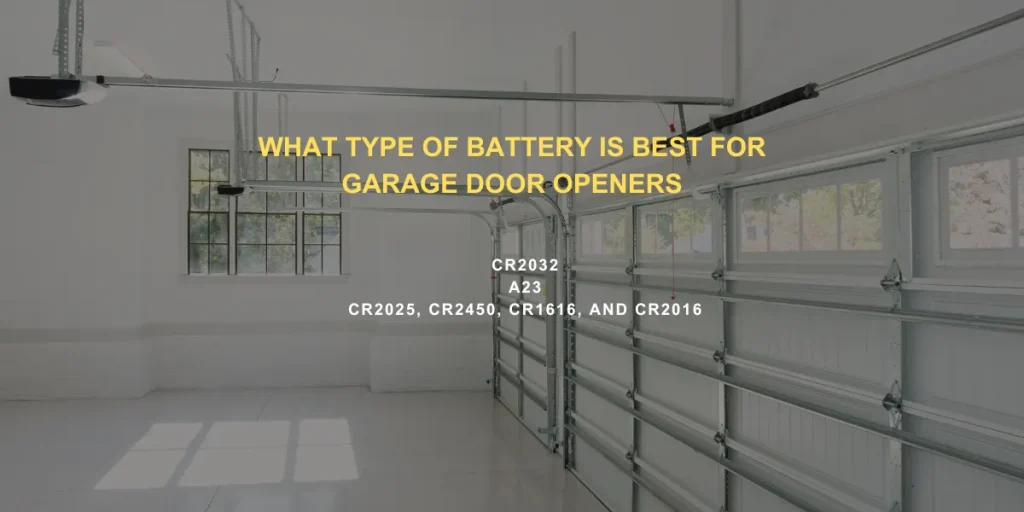
The best type of battery for garage door openers depends on the specific model and manufacturer of your garage door opener. However, the most commonly used batteries for garage door openers are:
CR2032: This is the most frequently used battery type, known for its reliability and long lifespan.
A23: Some garage door openers use A23 batteries, which are 12V and have a cylindrical shape.
CR2025, CR2450, CR1616, and CR2016: These are other types of button cell batteries that are commonly used in garage door openers.
Conclusion
Replacing the battery in your garage door opener is a simple task that can be completed with the right tools and guidance. By following the steps outlined in this guide, you can ensure that your garage door opener continues to function reliably and efficiently. Remember to maintain your opener regularly, use high-quality batteries, and follow proper safety precautions to prolong the life of your garage door opener and its battery.
