

Garage door torsion springs are crucial components that ensure the smooth operation of your garage door. However, over time, these springs can wear out or break, necessitating repair or replacement. Understanding the costs associated with garage door torsion spring repair is essential for homeowners to budget effectively and make informed decisions.
The cost of repairing or replacing a garage door torsion spring can vary significantly, depending on several factors such as the type of spring, the size and weight of the garage door, and local labor costs. On average, the cost to replace a garage door torsion spring ranges from $150 to $350, with some projects potentially costing more if additional repairs are needed.
This guide will provide a detailed breakdown of the factors that influence garage door torsion spring repair costs, including the type of spring, labor costs, and additional repairs that may be required. By understanding these factors, homeowners can better estimate the costs involved and make informed decisions about their garage door maintenance.
Key Factors Affecting – Garage Door Torsion Spring Repair
-
- Type of Spring: Torsion springs are generally more expensive than extension springs. The cost for a torsion spring replacement can range from $140 to $270 for one spring and $200 to $350 for two springs.
-
- Type of Garage Door: The size and type of garage door (sectional, tilt-up, or roll-up) influence the cost. Larger and heavier doors require stronger springs, which are more expensive.
-
- Number of Springs: Replacing two springs at once is recommended for balanced operation, even if only one is damaged. This can cost between $200 and $350 for two springs.
-
- Labor Costs: Professional installation is crucial due to the complexity and safety risks involved. Labor costs can range from $75 to $150 per service call, and the total time for replacement is usually 1 to 2 hours.
-
- Location: Geographic location affects labor rates, with higher costs in urban areas compared to rural or suburban areas.
Average Costs
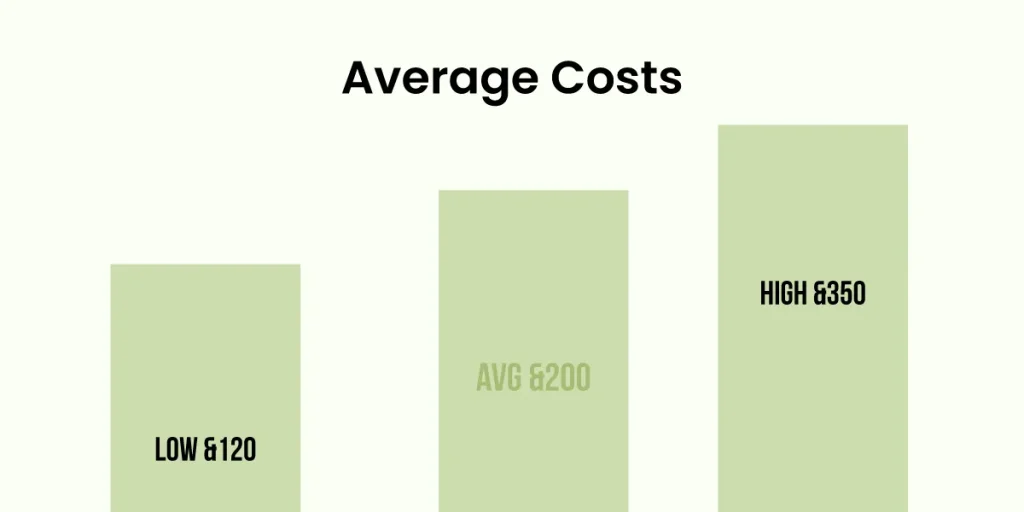
Torsion Spring Replacement: $140 to $270 for one spring and $200 to $350 for two springs.
Extension Spring Replacement: $120 to $200.
Total Replacement Cost: Including parts and labor, the total cost can range from $150 to $350 on average.
Additional Considerations
Regular Maintenance: Regular maintenance, such as lubricating springs, can help prolong their lifespan and prevent costly replacements.
Quality of Springs: Investing in high-quality springs can offer improved durability and longevity, reducing the need for frequent replacements.
Professional Inspection: Timely detection of problems through professional inspections can prevent further damage and costly repairs.
What Factors Influence the Cost to Replace Garage Door Springs?

Several factors influence the cost to replace garage door springs, including:
Type of Spring:
Torsion Springs: Generally more expensive due to their durability and complexity, with costs ranging from $60 to $200 for the materials alone and $200 to $350 for professional installation.
Extension Springs: Less expensive, with costs ranging from $30 to $90 for DIY replacement and $150 to $200 for professional installation.
Size and Weight of the Garage Door:
Larger and heavier doors require stronger springs, which are more expensive.
The size of the door directly impacts the cost, with larger doors needing more powerful springs.
Number of Springs:
Garage doors can have one or two springs, and replacing both at once is often recommended to ensure balanced operation, which can increase the total cost.
Double-door springs can cost an extra $15 to $30 per spring compared to single-door springs.
Quality of Springs:
Higher-quality springs are more expensive but offer better durability and longevity, potentially saving money in the long run by reducing the need for frequent replacements.
Professional Labor Costs:
Labor costs can vary based on location, task complexity, and technician experience, with residential garage door spring replacement typically costing between $75 to $150.
Commercial-grade springs can cost more to replace, ranging from $150 to $300.
Additional Repairs:
If other parts of the garage door system are damaged, such as cables, rollers, or hinges, additional repairs will increase the total cost.
Location:
Labor rates can be higher in areas with a high cost of living, such as large cities, compared to rural and suburban towns.
Remote locations may incur higher costs due to travel fees for the repair technician.
Urgency:
Emergency repairs can cost more than scheduled repairs, especially if they require immediate attention outside regular business hours.
Understanding these factors helps homeowners make informed decisions and budget accordingly for garage door spring replacement.
Types of Garage Doors

There are several types of garage doors, each with its unique characteristics, advantages, and disadvantages. Here are some of the most common types:
Sectional Garage Doors
Description: Composed of horizontal panels connected by hinges, these doors slide upwards and overhead along metal tracks when opened.
Pros:
-
- They save space by ascending along the ceiling, making them ideal for smaller garages.
-
- Enhanced security due to no external handles and a strong, fortified design.
-
- Can be insulated for better energy efficiency and soundproofing.
-
- Highly customizable with various materials, colors, and finishes.
-
- Quiet and smooth operation due to balanced spring systems.
Cons:
-
- More expensive compared to some other types.
-
- Require regular maintenance to ensure smooth operation and longevity.
Roller-Shutter Garage Doors
Made of steel or aluminum slats that roll up on an overhead barrel when opened.
Pros:
-
- Ideal for maximizing space, especially in smaller garages.
-
- Structurally sound and secure, with built-in security features.
-
- Easy to handle and can be automated for added convenience.
-
- Protects from harsh weather conditions and can be insulated.
Cons:
-
- Less customizable compared to sectional doors.
-
- Can be less durable than sectional doors in some cases.
Tilt or Counterweight Garage Doors
A single solid panel that pivots outwards and upwards when opened.
Pros:
-
- Can be engineered to hold specific weights and materials, offering design flexibility.
-
- Requires less headroom compared to sectional doors.
-
- Strong and durable, suitable for custom garage door designs.
Cons:
-
- Requires clearance space in front of the door to swing open.
-
- Can be more expensive than some other types.
Side Hinged Garage Doors
Doors that open outwards, mounted to the garage door frame with hinges.
Pros:
-
- Simple to operate and maintain, with minimal moving parts.
-
- Does not require space inside the garage to operate, ideal for storage.
Cons:
-
- Requires space outside the garage to swing open.
-
- May have security concerns due to external hinges and handles.
Sliding and Folding Garage Doors
Doors that slide or fold horizontally along the floor and top of the door frame.
Pros:
-
- Ideal for garages with limited headroom, allowing full access to the ceiling.
-
- Easy to operate and can be automated.
Cons:
-
- Requires space along one of the garage walls for the tracks.
-
- Can be more expensive than some other types.
Summary
Choosing the right garage door type depends on factors such as available space, security needs, and aesthetic preferences. Each type offers unique benefits and drawbacks, making it essential to consider these factors before making a decision.
The cost to repair or replace a garage door torsion spring typically ranges from $150 to $350, with an average cost of $250. This includes the cost of the spring itself ($30 to $100) and labor costs ($75 to $150 per spring). Factors such as the type of spring, door size, and location can affect the total cost. Additional costs may include cable replacement ($75 to $200) and a garage door tune-up ($40 to $150). Due to safety risks, it is recommended to hire a professional for these repairs.
