


Programming a garage door opener is a straightforward process that can be completed with a few simple steps. Whether you’re setting up a new opener or replacing an old one, understanding how to program a garage door opener is essential for ensuring secure and convenient access to your garage. Here’s a comprehensive guide to help you navigate the process, covering the necessary tools, safety precautions, and troubleshooting tips to ensure a successful setup.
Programming a Remote Garage Door Opener

Locate the “Learn” Button: Find the “learn” button on the power box that connects to the garage door. This button is usually located on the back or side of the opener and may be hidden under a light cover.
Activate the Opener: Press and hold the “learn” button until a small light next to it comes on. This indicates that the opener is ready to be programmed.
Program the Remote: Press the main button on your garage door remote once. If the programming is successful, the garage door opener light will blink.
Test the Remote: Close the power box and test the remote by pressing the button to see if it opens the garage door.
Program a Garage Door Opener Keypad

Access the Opener: Use a ladder to reach the garage door opener on the ceiling. Locate the “learn” or programming button.
Activate the Opener: Press the “learn” button until the garage door opener blinks. You have about 30 seconds to enter your code on the keypad.
Enter Your Code: Go to the keypad and enter the code you want to use. Press “enter” as soon as the code is complete. Wait for the opener to blink or make two clicking sounds, indicating that the code has been accepted.
Test the Keypad: Test the keypad by entering your code to see if it successfully opens the garage door.
Troubleshooting Common Issues
Unresponsive Remote: Check the batteries in your remote and ensure there are no blockages between the remote and the opener’s antenna.
Reversing Door: Adjust the close limit switches to prevent premature reversals.
Reprogramming: If you need to reprogram a remote or change the keypad code, follow the same steps as programming a new remote or keypad. The new connection will override the old one.
What are the steps to manually open a garage door if the opener is not working?
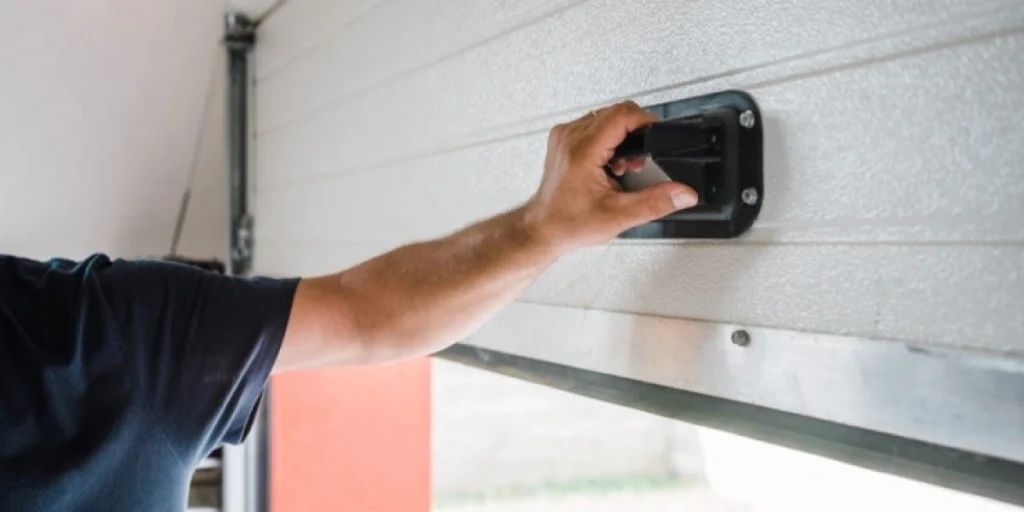
To manually open a garage door if the opener is not working, follow these steps:
Disconnect the Automatic Door Opener: Unplug the garage door opener to prevent any accidental start-ups while you are manually operating the door.
Pull the Emergency Release Cord: Locate the emergency release cord, which is usually attached to the garage door opener’s carriage assembly. Pull this cord to disengage the opener from the door. This will allow you to manually lift the door.
Lift the Garage Door: Carefully lift the garage door using your legs to avoid straining your back. Make sure there are no obstacles in the door’s path and keep a stable footing.
Secure the Door: Once the door is open, secure it with a prop or block of wood to prevent it from falling or closing unexpectedly. Use the manual lock to secure the door and prevent unauthorized access.
Reconnect the Opener (After Power is Restored): Once the power is restored or the issue with the opener is resolved, you can reconnect the automatic opener and use it as usual.
Safety Precautions:
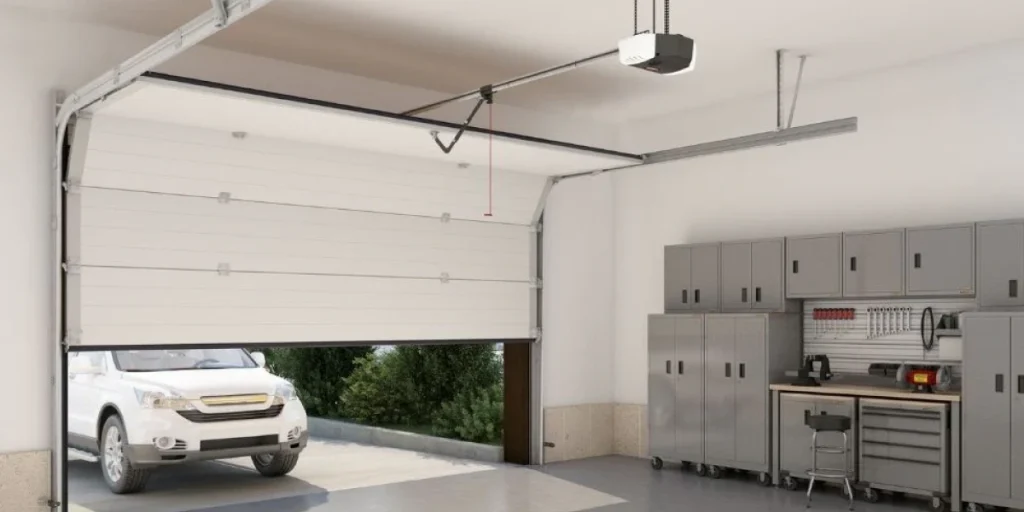
- Avoid Muscle Strains: Be cautious of the door’s weight and avoid straining your back or other muscles.
- Prevent Electrical Shock: Unplug the opener before attempting to manually open the door to prevent electrical shock.
- Keep the Door Closed Initially: Before pulling the emergency release cord, ensure the door is in the closed position to minimize pressure and prevent unexpected movements.
- Use Protective Gloves: Wear gloves to protect your hands from sharp edges or debris on the door or tracks.
- Seek Professional Help: If you encounter any issues or if the door is too heavy, consider seeking help from a professional garage door technician.
Summary
To manually open a garage door when the opener is not working, start by disconnecting the opener by unplugging it to prevent any accidental start-ups. Then, pull the emergency release cord to disengage the opener from the door. Next, carefully lift the garage door using your legs to avoid straining your back. Finally, secure the door with a prop or block of wood to prevent it from falling or closing unexpectedly. By following these steps, you can safely and manually open your garage door when the opener is not functioning.
